Explore HAVIGO Vietnam Desiccated Coconut now!
View available cashew grades, specifications, packing options, and export support details before requesting your quotation.
Market Opportunities for Wholesale Desiccated Coconut
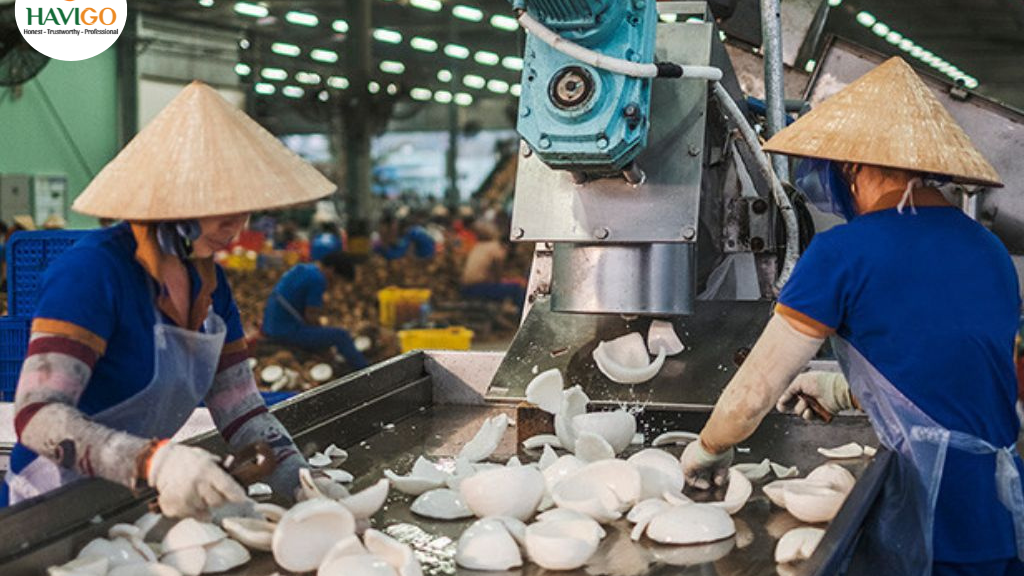
Fine grades are commonly used in bakery dough, biscuits, fillings, coatings, and confectionery products. High-fat coconut can provide a richer flavour and softer mouthfeel, while medium grades, flakes, and chips create more visible texture in cereals, granola, snacks, and bakery toppings.
Retail and foodservice also offer practical sales opportunities. According to the Centre for the Promotion of Imports from Developing Countries, desiccated coconut reaches European customers through food-processing, retail, and foodservice channels. CBI also notes that a significant share of imported products is repacked for retail distribution.
However, retail packing adds responsibilities for labelling, traceability, packaging, inventory, and local food-safety compliance. Before requesting quotations, buyers should define the intended application and sales channel. A grade developed for confectionery may not perform well in dry mixes, while delicate flakes may lose value through breakage.
Specifications of Wholesale Desiccated Coconut That Affect Commercial Value
Product names such as “fine” or “medium” are not enough for a reliable purchasing decision of bulk desiccated coconut supplier. Different factories may use different particle ranges, so buyers should include measurable physical, chemical, and microbiological limits in the contract.
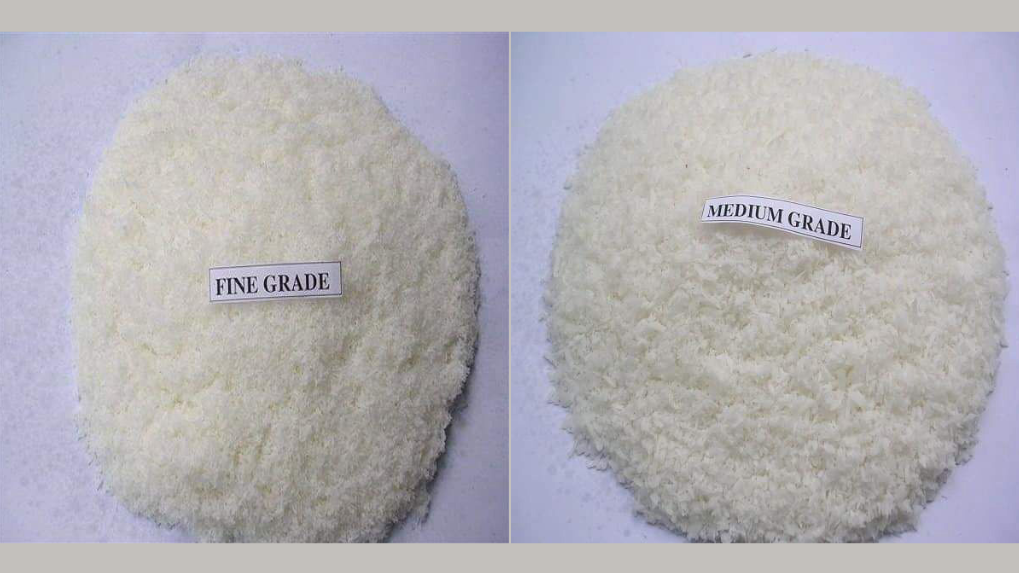
The Codex Standard for Desiccated Coconut defines optional sieve ranges for extra-fine, fine, and medium products. Codex also recognises flakes, chips, shreds, and other special cuts. For composition, Codex sets maximum moisture at 4%. Regular desiccated coconut must contain at least 60% oil, while reduced-oil products contain at least 35% but less than 60%. The standard also sets maximum extracted-oil acidity at 0.3%.
| Parameter | Reference or Requirement | Commercial Impact |
|---|---|---|
| Moisture | Codex maximum: 4% | Excess moisture may increase caking and storage risks. |
| Oil content | At least 60% for regular product | Oil affects flavour, mouthfeel, formulation, and price. |
| Reduced-fat oil content | 35% to below 60% | Lower fat may suit dry mixes and selected formulations. |
| Extracted-oil acidity | Codex maximum: 0.3% | Elevated acidity may indicate oil deterioration. |
| Particle size | Fine, medium, flakes, chips, or sieve range | Size affects texture, appearance, and production performance. |
| Residual SO₂ | Sulfite-free or agreed maximum | This affects shelf life and destination labelling. |
| Microbiology | Buyer-specific limits | Requirements depend on the application and destination. |
| Colour | Agreed reference or colour range | Variation may affect finished-product appearance. |
| Foreign matter | Defined acceptance criteria | Contamination can create rejection or customer claims. |
The specification should also name the agreed testing methods. Otherwise, two laboratories may report different results from the same production lot. Buyers should therefore agree on both the limit and the method before production begins.
High-fat coconut often suits confectionery, premium bakery products, and fillings. Reduced-fat grades may work better in dry mixes, cereals, and selected coatings. Still, buyers should compare application performance rather than oil content alone, because a cheaper grade may require a higher dosage or reduce the flavour and texture of the finished product.
Particle distribution also affects commercial value. Fine coconut spreads evenly, while medium grades and larger cuts create stronger texture. Flakes and chips require careful handling because breakage can increase powder and reduce visual quality.
Desiccated Coconut Wholesale Price and Quotation Comparison
The desiccated coconut wholesale price depends on raw coconut availability, oil content, particle size, packing, certification, testing, and freight. Weather, ageing trees, pests, and competition for mature coconuts can also influence supply.
In its coverage of Asian coconut markets, Reuters reported supply pressure caused by weather conditions, ageing plantations, pests, and rising demand. Coconut oil differs from desiccated coconut, but both industries depend on mature coconuts, so raw-material pressure can influence production costs and quotation validity.
For a fair comparison, every supplier should quote the same specification. Buyers should review container loading, bag count, packing materials, payment terms, lead time, quotation validity, and freight structure alongside the unit price. A complete inquiry should state the required grade, particle size, oil content, moisture, microbiological limits, sulphite requirements, packing, quantity, destination port, shipment period, and Incoterm.
The desiccated coconut whosale price should never be assessed in isolation. A lower offer may cover a different oil level, sieve range, packing format, or test standard. Clear specifications make quotations easier to compare and reduce repeated revisions.
How to Evaluate a Bulk Desiccated Coconut Supplier
A suitable bulk desiccated coconut supplier should demonstrate stable production, traceability, specification control, testing, and accurate export documentation. Company websites can support initial screening, but buyers should still request current certificates, factory records, technical specifications, and recent test reports.
For example, Betrimex publishes information about a fine-grade, medium-fat product packed in 25-kilogram bags, while Beinco presents several product cuts, packing formats, and commercial specifications. These pages can help buyers create an initial shortlist, but they do not replace document verification.
Before production, both parties should approve a signed specification with clear tolerances. Buyers should also ask how the supplier controls raw material selection, drying, sieving, packing, and variation between batches. Declared factory capacity deserves careful review because total capacity may not represent the volume available for the required grade.
Sample approval remains useful, but one sample cannot represent an entire container. The certificate of analysis should refer to the actual shipment lot, while the sampling plan should cover several bags or container positions. For new suppliers or sensitive products, an independent inspection can verify quantity, labels, packing, sampling, and container condition.
Certificates should cover the correct legal company, factory address, and product category. The CBI market-entry guide also advises suppliers targeting Europe to use recognised food-safety systems and laboratories accredited under ISO/IEC 17025.
Packing and Documents for a Desiccated Coconut Exporter
A professional export supplier should pay close attention to packing and container condition because the product can absorb moisture and surrounding odours. Before loading, the container should be clean, dry, undamaged, and free from strong odours or previous cargo residue.
According to HAVIGO’s desiccated coconut product page, common export packing uses food-grade PE inner liners with kraft paper or PP woven outer bags. HAVIGO lists packing options of 7, 10, 25, and 50 kilograms, depending on the product and buyer’s requirements.
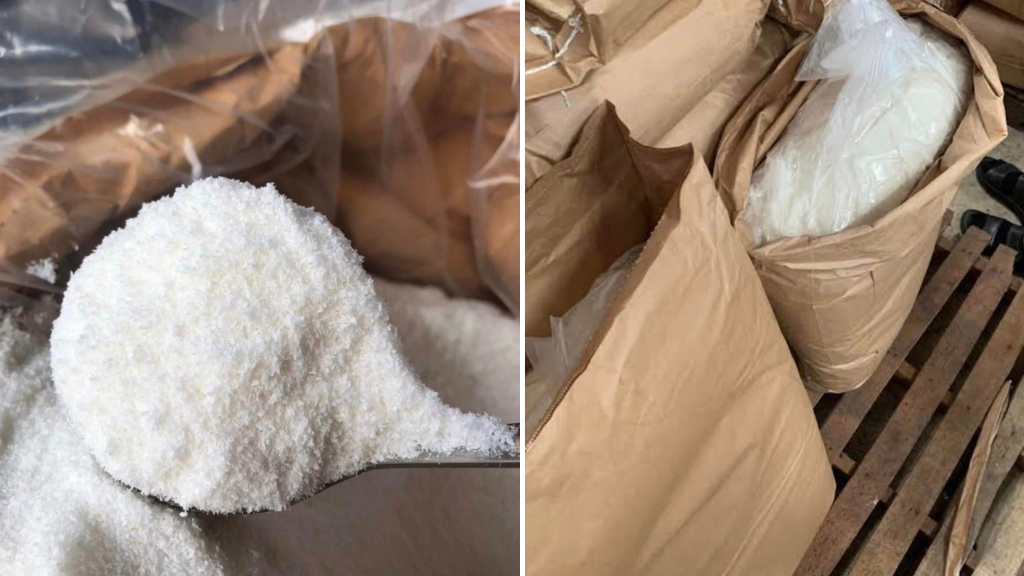
Loading photographs should show the empty container, floor, walls, roof, doors, bag arrangement, container number, and final seal. These records can support investigations involving moisture, damaged bags, contamination, or loading differences.
Most shipments require a commercial invoice, packing list, and bill of lading. Depending on the market, buyers may also request a certificate of origin, certificate of analysis, health certificate, or inspection report. European importers can use the European Commission’s Access2Markets platform to check tariffs, rules of origin, and import procedures.
The final document set should always be confirmed with the buyer’s customs broker. This step helps the supplier avoid delays, storage charges, and document corrections after shipment.
Why Work with a Vietnam Desiccated Coconut Supplier?
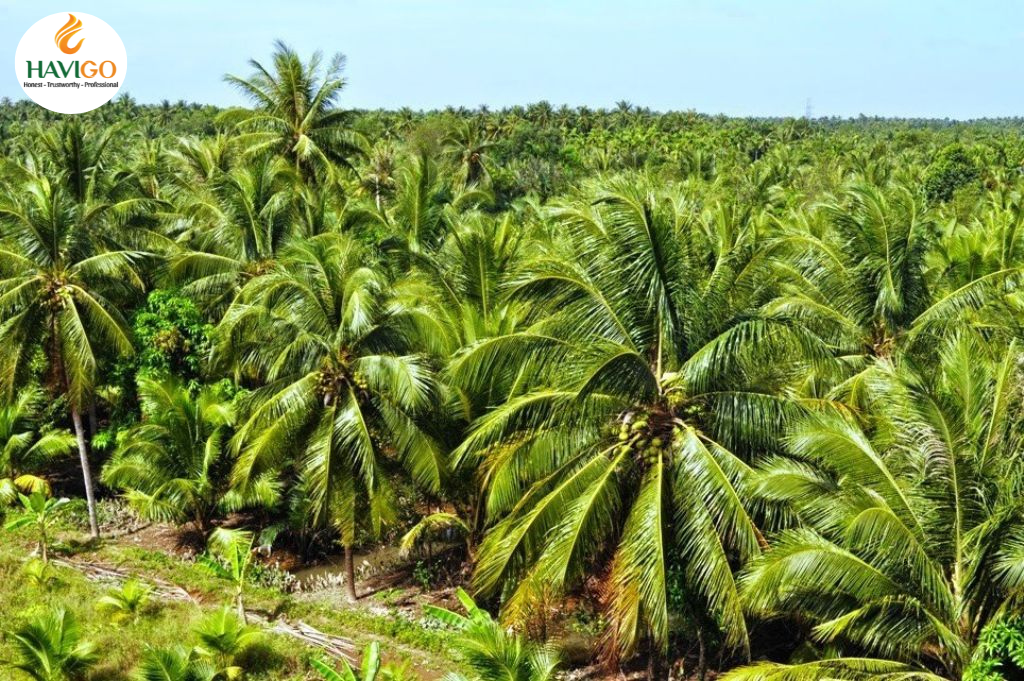
A Vietnam-based supplier can offer access to an established coconut-processing base and a wide range of product cuts. Vietnam’s Mekong Delta, particularly Ben Tre, is widely recognised as an important coconut-growing and processing area.
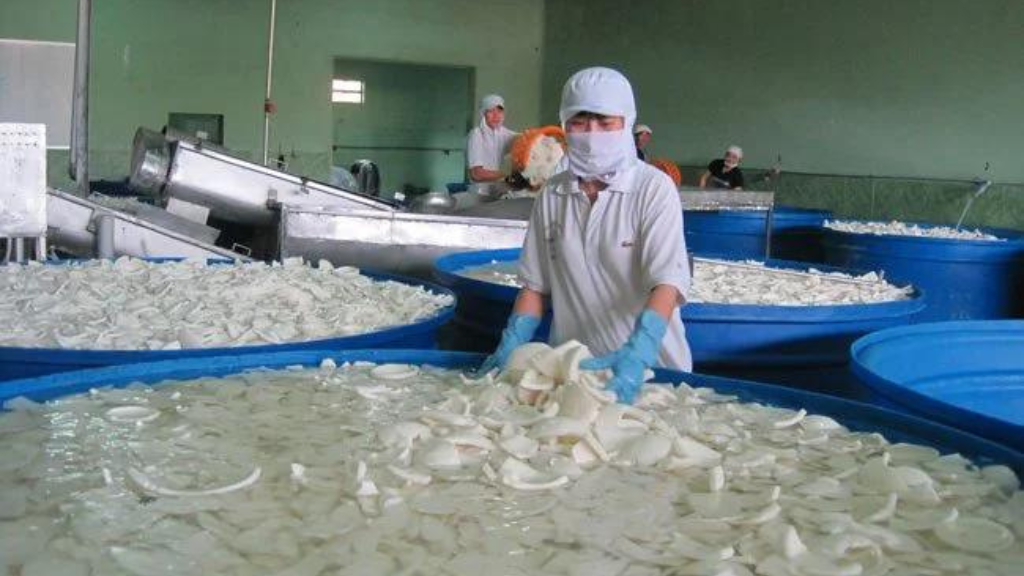
HAVIGO supports international buyers sourcing Vietnam-origin products for bakery, confectionery, cereal, granola, snack, and industrial food applications. Its published range includes fine, medium, extra-fine, flakes, and chips, with low-fat, medium-fat, and high-fat options available for different formulations.
As a Vietnam desiccated coconut supplier, HAVIGO lists common packing sizes of 7, 10, 25, and 50 kilograms. Its product information also includes FOB and CIF terms, indicative loading of approximately 12 tonnes per 20-foot container, and published supply ability of 600–1,000 metric tonnes monthly. Buyers should reconfirm these details for their selected grade and shipment period.
HAVIGO can also support specification matching, samples, packing confirmation, export documents, inspection coordination, and shipment follow-up. Buyers should provide their required grade, quantity, destination port, certification needs, and preferred Incoterm when requesting a quotation.
What oil content should buyers request?
High-fat coconut often suits confectionery, fillings, and premium bakery products. Reduced-fat grades may suit cereals, coatings, and dry mixes. A production trial can help confirm the most suitable option.
Is 4% maximum moisture sufficient?
The Codex standard sets maximum moisture at 4%, although some commercial buyers require a stricter limit. The appropriate value depends on transit time, storage conditions, and the final application.
Why do fine-grade quotations vary?
Factories may use different sieve ranges, oil levels, microbiological standards, and packing formats. Buyers should compare complete specifications instead of grade names alone.
How can importers reduce batch variation?
Clear specification ranges, batch-specific certificates of analysis, representative sampling, reference samples, and periodic inspections can reduce quality differences between shipments.
Conclusion
Wholesale desiccated coconut can create stable opportunities across food manufacturing, wholesale, foodservice, and private-label channels. However, buyers should compare more than the initial purchase price.
Oil content, particle size, moisture, microbiology, packing, and supplier execution all influence the final return. Clear specifications and shipment controls can reduce quality claims and make quotations easier to compare.
Through its desiccated coconut export service, HAVIGO supports importers with product selection, quotations, samples, packing, documentation, and shipment coordination. Buyers can request an offer based on their required grade, volume, destination, and delivery terms.