
Why Desiccated Coconut Works Well in Food Manufacturing
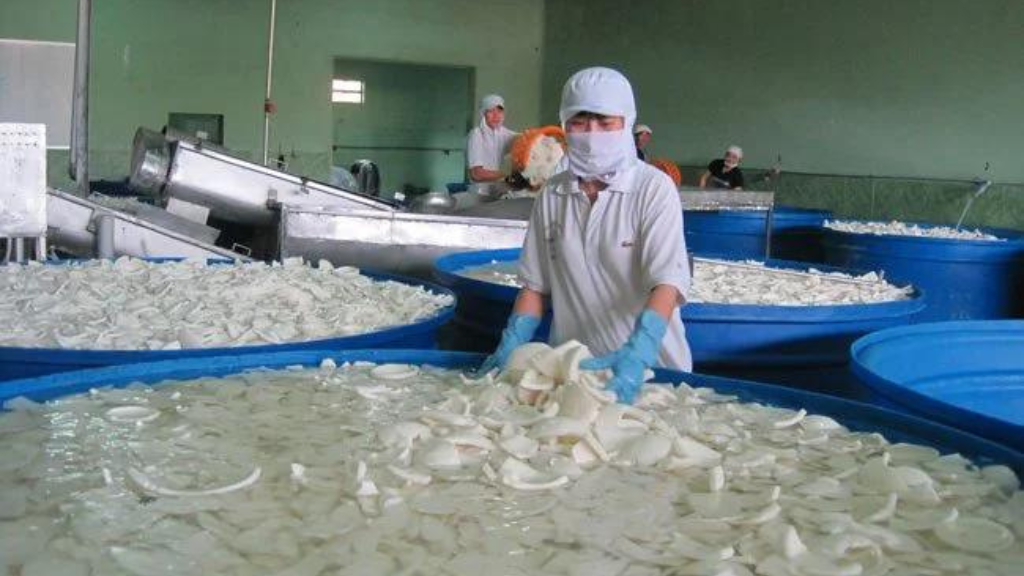
Desiccated coconut combines several useful functions within one ingredient. It contributes a recognisable coconut aroma while creating body, texture, and visual appeal. Depending on the cut, it can disappear smoothly into a filling or remain visible as a topping.
The Codex Alimentarius standard defines desiccated coconut as processed white coconut kernel that has been washed, reduced in size, dried, and sifted. Codex also recognises extra-fine, fine, medium, and special cuts such as flakes, chips, and shreds.
This range allows manufacturers to match the ingredient with different production systems. Smaller particles usually distribute more evenly in dough, batter, and dry blends. Larger cuts create a stronger bite and remain visible after processing. As a result, product developers can adjust coconut texture without changing the overall formulation concept.
CBI identifies confectionery, bakery, and ice cream as the primary industrial uses of desiccated coconut. It also appears in chocolate products, pastries, biscuits, savoury Asian foods, cereal products, and snack bars.
1. Desiccated Coconut for Bakery

Desiccated coconut for bakery is one of the most important uses. Manufacturers incorporate it into cakes, muffins, pastries, bread, fillings, premixes, and decorative toppings. It gives baked products a clear coconut profile without the handling problems associated with fresh coconut.
Fine-grade coconut works well when manufacturers need even distribution throughout batter or dough. The smaller particles blend with flour, sugar, fat, and other dry ingredients. This creates a consistent flavour across every portion of the finished product.
Medium-grade coconut produces a more noticeable texture. It suits cakes, buns, and pastries where visible coconut pieces support the product’s identity. Flakes can also be applied before or after baking as a topping.
The selected fat level should match the formulation. High-fat desiccated coconut can deliver a richer aroma and softer mouthfeel. However, it also contributes more coconut oil to the recipe. Manufacturers should therefore test it against the existing fat system before full-scale production.
2. Cookies, Biscuits, and Wafers
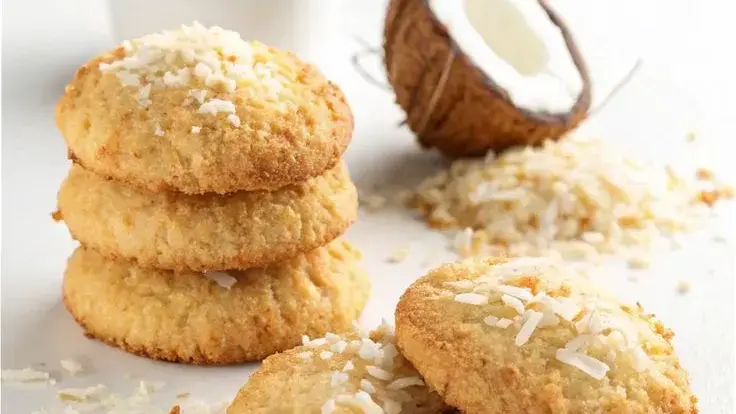
Desiccated coconut is widely used in cookies, biscuits, crackers, and wafer fillings. In these products, it affects flavour, dough consistency, bite, and final appearance.
Fine coconut usually performs well in high-volume biscuit production because it disperses throughout the dough. This helps manufacturers maintain a uniform coconut taste between batches. It is also useful when the coconut should support the flavour without dominating the texture.
Medium coconut creates a coarser bite and stronger visible character. It suits premium coconut cookies, textured biscuits, and products positioned around natural ingredients. However, a larger cut may require adjustments to dough moisture or forming equipment.
Wafer and sandwich-cookie fillings generally need a finer grade. Smaller particles create a smoother filling and reduce the risk of uneven layers. The manufacturer should still test the coconut with the final oil, sugar, and emulsifier system.
3. Chocolate and Confectionery
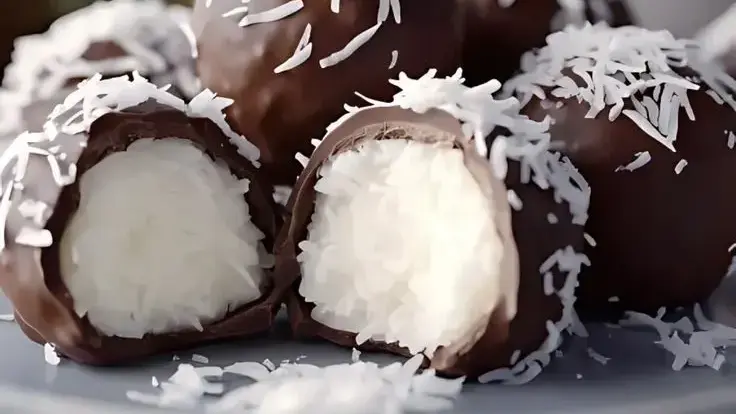
Chocolate and confectionery manufacturers use desiccated coconut in bars, pralines, truffles, candy centres, fudge, coatings, and cream fillings. Coconut can provide both the central flavour and the main structural component.
Fine high-fat coconut often suits chocolate fillings because it creates a rich coconut profile without excessive particle size. It can blend with sugar syrups, cocoa products, milk solids, and vegetable fats. Medium coconut works better when manufacturers want a more fibrous or chewy centre.
The product’s colour and aroma are especially important in confectionery. White fillings can quickly show yellow, brown, or contaminated particles. Meanwhile, rancid or absorbed odours can damage the flavour of an entire batch.
Codex requires desiccated coconut to retain its characteristic flavour and odour. The product should not show mouldy, smoky, fermented, cheesy, or rancid characteristics.
For this reason, confectionery buyers should evaluate more than particle size. They should also confirm fat quality, acidity, colour, aroma, and storage conditions before commercial use.
4. Macaroons and Traditional Coconut Sweets
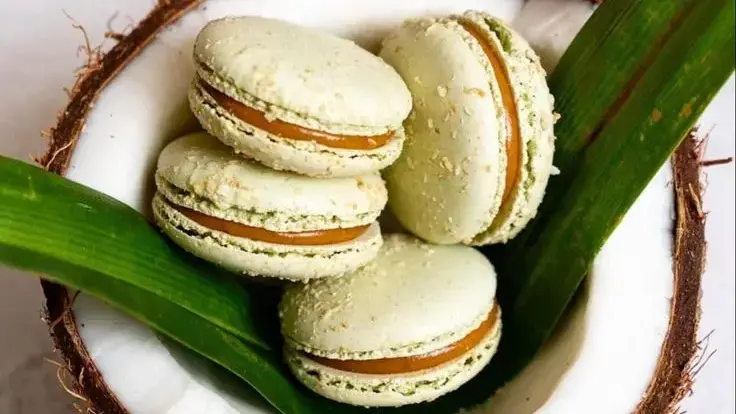
Macaroons rely heavily on coconut structure. Unlike a cake, where coconut may remain a supporting ingredient, macaroons use it to form most of the product’s body and texture.
Medium or macaroon-grade coconut usually creates the expected chewiness. Its particles bind with sugar, egg white, syrup, or condensed milk while remaining visible after baking. A very fine grade may produce a denser and smoother result.
Traditional sweets also use desiccated coconut in balls, layered desserts, milk-based confections, and external coatings. In these applications, the coconut may provide flavour, structure, and decoration at the same time.
Moisture balance is particularly important. Excessively dry coconut can absorb moisture from the recipe and make the finished product firm. Coconut with inconsistent moisture may also create differences between production batches. Therefore, manufacturers should test each proposed grade in the complete formulation.
5. Breakfast Cereals, Granola, and Muesli
Breakfast-food manufacturers use coconut to add flavour, visible texture, and product differentiation. Common applications include granola, muesli, oat clusters, cereal blends, and breakfast toppings.
Medium coconut, flakes, and chips usually suit these products better than extra-fine material. Their larger size remains visible after blending and packaging. Toasted versions can also provide a deeper aroma and a crisp texture.
However, larger pieces must resist excessive breakage. Mixing, conveying, packing, and transport can turn fragile flakes into fine particles. This reduces the visual quality of the final retail product.
Manufacturers should therefore evaluate samples after handling, not only when the bag is first opened. A useful production trial should simulate mixing, packing, and transport before approval.
According to the Centre for the Promotion of Imports from Developing Countries notes that desiccated coconut is used commercially in breakfast cereals, protein bars, biscuits, cakes, and curry products across European markets.
6. Protein Bars, Energy Bars, and Snack Products
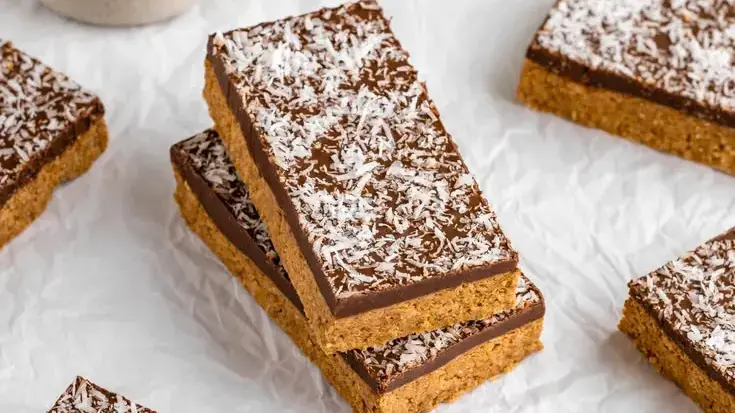
Desiccated coconut fits naturally into protein bars, energy bars, fruit-and-nut bars, and coconut snack bites. It can provide flavour, structure, visible particles, and surface coating.
Fine coconut blends into compact bar formulations. It works well with protein powder, oats, dates, nuts, syrups, and other binding ingredients. Medium coconut creates a more noticeable chew and stronger coconut identity.
Manufacturers may also apply coconut as an external coating. This improves appearance and can reduce surface stickiness. Flakes or shreds are often more visually effective than fine powder for this purpose.
Production pressure can still change the result. Compression, cutting, and extrusion may flatten or break coconut particles. Therefore, buyers should approve the ingredient after a pilot run rather than relying only on a loose sample.
The right grade depends on the target texture. A soft fruit bar may need a different coconut cut than a firm protein bar or crunchy cereal snack.
7. Ice Cream and Frozen Desserts
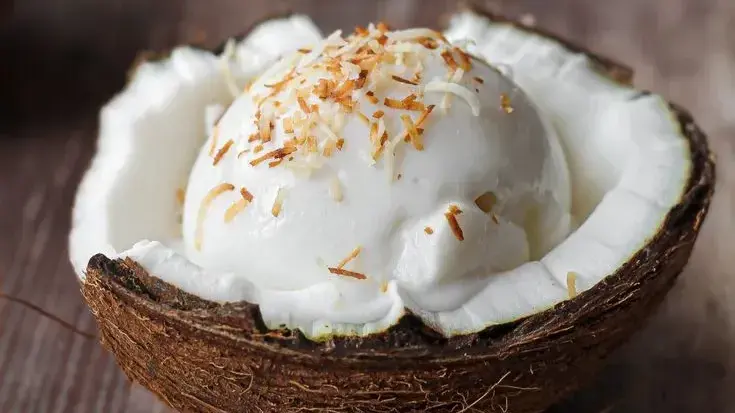
Desiccated coconut is used in ice cream, gelato, frozen cakes, dessert fillings, and coated frozen products. Depending on the formulation, it can serve as an inclusion, topping, or flavour component.
Fine coconut can be dispersed into fillings or dessert bases. Medium coconut creates a more visible inclusion, while flakes work well as decorative toppings. Manufacturers can also combine coconut with chocolate, nuts, or fruit preparations.
Temperature changes the sensory experience. Coconut that feels soft at room temperature may feel much firmer when frozen. Therefore, manufacturers should conduct sensory testing at the actual serving temperature.
Microbiological controls are also important because many frozen desserts are ready to eat. Buyers should confirm the required limits, test methods, and certificate format before production begins.
CBI lists ice cream alongside bakery and confectionery as a principal industrial market for desiccated coconut.
8. Dairy and Plant-Based Desserts
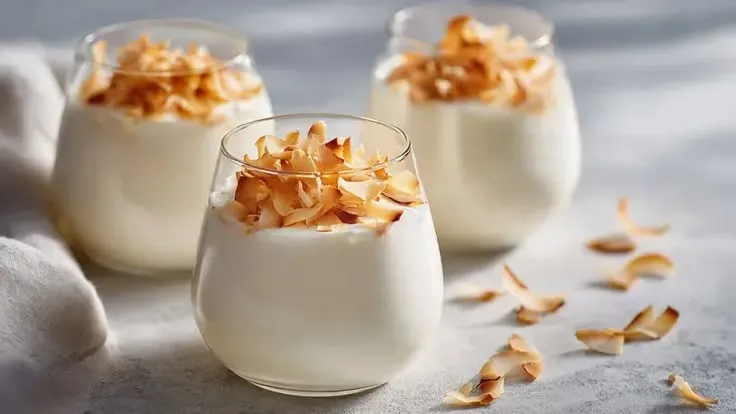
Dairy and plant-based manufacturers use desiccated coconut in yogurts, puddings, dessert cups, chilled fillings, and dairy-free snack products. It gives these foods a natural coconut identity and creates visible textural contrast.
Fine coconut works best when the product requires smaller particles and a smoother eating experience. Medium coconut suits layered desserts or yogurts that highlight pieces of coconut. Flakes may be used as a topping or separate inclusion.
Desiccated coconut should not be confused with coconut milk or coconut cream. It is a dried solid ingredient, while milk and cream form liquid emulsions. These products perform different technical functions.
Hydration also changes texture over time. Coconut particles may soften after prolonged contact with yogurt, pudding, or fruit preparation. Manufacturers should therefore evaluate texture throughout the intended shelf life, not only after mixing.
9. Dry Mixes, Premixes, and Industrial Fillings
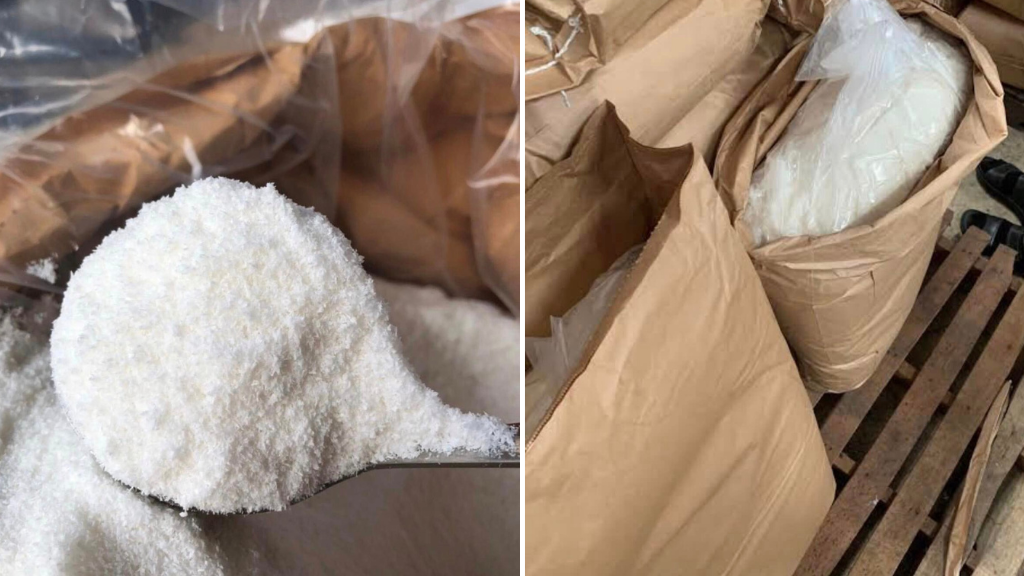
Fine and extra-fine desiccated coconut are well suited to dry ingredient systems. Typical applications include cake mixes, dessert powders, porridge blends, bakery premixes, and powdered filling systems.
Small particles distribute more uniformly through dry blends. This helps reduce ingredient separation during filling and transport. However, fat content can influence flowability and caking under warm storage conditions.
Industrial fillings also benefit from controlled particle size. Fine coconut can create smooth cream or chocolate centres, while medium coconut adds visible texture. The appropriate cut depends on the pumping, depositing, or spreading equipment.
Manufacturers should test the ingredient under expected factory conditions. A sample that flows well in a laboratory may behave differently inside a large mixer or automated filling line.
Storage trials should also examine caking, aroma, and ingredient separation. These tests are especially important for high-fat coconut and long distribution periods.
10. Savoury Foods and Coating Systems
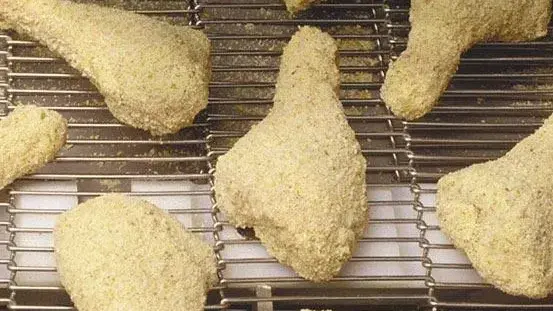
Although desiccated coconut is strongly associated with sweet products, it also has several savoury applications. Manufacturers use it in curry blends, rice products, coating systems, chutneys, seasoning blends, and prepared meals.
Fine coconut distributes evenly throughout sauces and dry seasonings. It can add coconut flavour and contribute body after hydration. Medium coconut provides more texture and visible coconut content.
The Coconut Development Board has identified cakes, sweets, curries, and chutneys among traditional food uses for desiccated coconut. It also notes that bakery and confectionery businesses remain major industrial consumers.
Savoury formulations require careful flavour testing. Spices, oils, salt, and aromatic ingredients may interact with coconut during storage. Packaging must also protect the product from external odours.
Manufacturers should evaluate the coconut within the complete seasoning system. Testing it alone cannot show how the finished food will taste after processing and storage.
Choosing the Right Grade for Each Food Application
The right grade depends on the required texture, appearance, processing method, and product positioning. Fine coconut supports smooth mixing and uniform distribution. Medium coconut creates stronger texture, while flakes and chips add visual impact.
These recommendations provide a starting point rather than a fixed formulation standard. Each manufacturer should approve the product through laboratory and production trials.
How Particle Size and Fat Content Affect the Final Product
Particle size controls how the coconut moves through production and appears in the finished food. Extra-fine and fine grades integrate more easily into dough, batter, chocolate fillings, and dry mixes. Medium coconut creates a stronger bite, while flakes and chips provide a decorative effect.
Codex defines fine, medium, extra-fine, and special cuts through sieve characteristics. However, supplier terminology can still vary. Buyers should therefore request sieve specifications and physical samples instead of relying only on grade names.
Fat content affects flavour intensity, richness, and mouthfeel. Codex requires at least 60% oil for standard desiccated coconut. Partially defatted products contain at least 35% but less than 60% oil.
High-fat coconut often suits premium bakery, chocolate, confectionery, and dessert products. Lower-fat grades may work better in certain dry mixes or cost-controlled formulations. The correct choice still depends on the total recipe and production process.
What Food Manufacturers Should Confirm Before Ordering
Importers should begin with the intended application, not a general request for desiccated coconut. The supplier needs to know whether the product will enter cookies, fillings, granola, ice cream, or another manufacturing system.
The buyer should then define the required cut, fat range, moisture limit, colour, aroma, microbiological limits, and sulfite status. Packing and destination regulations should also be agreed before production.
A sample helps confirm appearance and initial compatibility, but it does not represent every variation within a commercial shipment. Buyers should establish acceptable tolerances in the specification or sales contract.
Production trials remain essential. They reveal how the coconut behaves during mixing, baking, freezing, compression, extrusion, or storage. These results provide more value than a visual inspection alone.
What are the main uses of desiccated coconut?
The main uses of desiccated coconut include bakery, confectionery, biscuits, cereals, snack bars, frozen desserts, dry mixes, and savoury foods.
Which grade works best for bakery manufacturing?
Fine coconut suits uniform mixing, while medium coconut creates stronger texture. Flakes work well as visible toppings.
Why is high-fat coconut used in confectionery?
High-fat coconut usually provides a richer aroma and fuller mouthfeel. However, manufacturers should test it within the complete fat system.
Can desiccated coconut be used in savoury food production?
Yes. Manufacturers use it in curry blends, rice products, chutneys, coatings, and prepared meals.
Does an approved sample guarantee shipment performance?
No. A small sample may not represent all batch variations. Buyers should define specifications and conduct production trials.
Why Choose HAVIGO for Bulk Desiccated Coconut?
If you are looking for a reliable supplier of Vietnam-origin desiccated coconut,HAVIGO supports you with specifications, quotations, samples, and export documentation for global markets, sample arrangement, and export document coordination. Contact HAVIGO to request the latest desiccated coconut price quotation for your destination market.
Our team recommends the most suitable grade based on your intended application rather than price alone, helping you select the right ingredient for your formulation. Product specifications, samples, bulk packing options, FOB/CIF quotations, and export documentation are available upon request. To receive an accurate quotation, simply share your food application, preferred cut, fat level, order volume, packing format, and destination port.