What Is Desiccated Coconut Moisture Content?
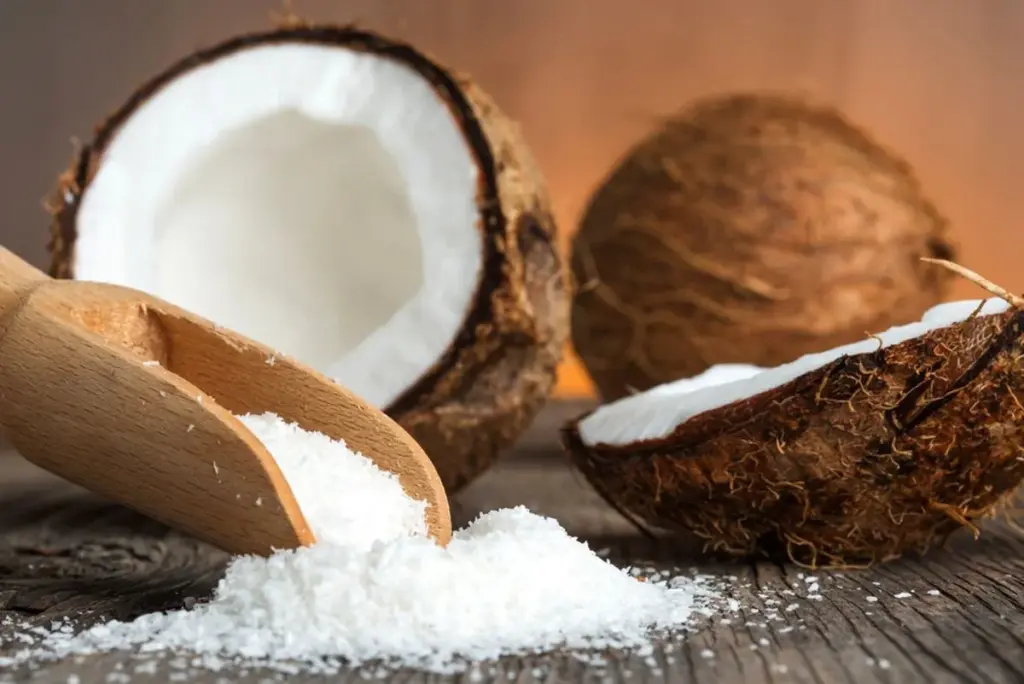
Desiccated coconut moisture content refers to the percentage of water remaining in dried coconut meat after processing. The result appears as a percentage of the product’s total mass. For example, 3% moisture means three grams of water per 100 grams. Processors control desiccated coconut water content through drying, cooling, grading, and packing. However, the finished product always retains a small amount of water.
The remaining moisture level in desiccated coconut affects several commercial characteristics:
- Flowability
- Texture
- Resistance to caking
- Storage performance
- Microbiological stability
- Net product weight
- Suitability for food manufacturing
Therefore, buyers should evaluate desiccated coconut moisture alongside fat content, particle size, colour, odour, and microbiological results. Although moisture cannot confirm overall quality, desiccated coconut moisture content remains a critical shipment acceptance parameter.
Key Takeaways
- Codex CXS 177-1991 sets a maximum moisture limit of 4% by mass.
- A separate Codex hygiene code recommends moisture not exceeding 3%.
- Several commercial buyers therefore request a maximum limit of 3%.
- Moisture content and water activity measure different product characteristics.
- Packaging failure can increase moisture after production.
- Buyers should define the test method and sampling plan within the contract.
- A single approved sample cannot guarantee full-container consistency.
What Is the Standard Desiccated Coconut Moisture Content?
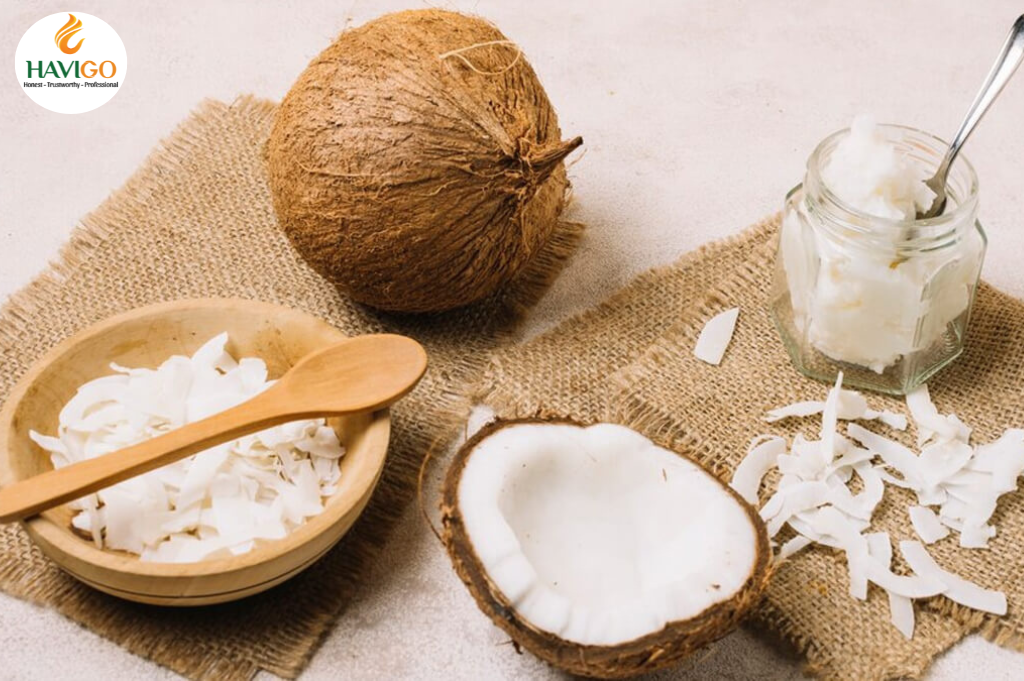
The main international reference is the Codex Standard for Desiccated Coconut, CXS 177-1991.
Codex states that moisture should not exceed 4% by mass. The standard also covers oil content, acidity, ash, foreign matter, flavour, colour, and odour. However, another Codex document provides a stricter reference. The Code of Hygienic Practice for Desiccated Coconut recommends a maximum of 3% by mass. A CBI European market guide also describes drying to below 3%. However, this figure represents market guidance rather than a universal legal limit.
| Reference | Moisture Limit | Practical Meaning |
|---|---|---|
| Codex CXS 177-1991 | Maximum 4% m/m | International product quality reference |
| Codex CXC 4-1971 | Maximum 3% m/m | Stricter hygienic practice reference |
| CBI European market guide | Below 3% | Commercial market guidance |
| Buyer contract | As agreed | Binding shipment specification |
The term “m/m” means mass by mass. Therefore, 4% m/m equals four kilograms of water per 100 kilograms.
The required desiccated coconut moisture content should appear clearly in the product specification, sales contract, and Certificate of Analysis. Without a defined limit, buyers and suppliers may interpret the acceptable desiccated coconut moisture level differently.
Should buyers request 3% or 4%?
A maximum desiccated coconut moisture content of 4% can comply with the Codex product standard. However, some commercial buyers require 3% maximum. A tighter moisture level in desiccated coconut can provide additional tolerance during storage and long-distance transportation.
Still, a lower number does not automatically prove better quality. Excessive drying may reduce yield or affect colour, aroma, and texture. Therefore, importers should define an acceptable range rather than requesting the lowest possible figure.
A practical contract may state:
Moisture: 3.0% maximum, tested using the agreed laboratory method.
Importers should confirm local requirements with their customs broker or food safety consultant. Destination rules may differ from Codex guidance.
Desiccated Coconut Moisture and Water Activity
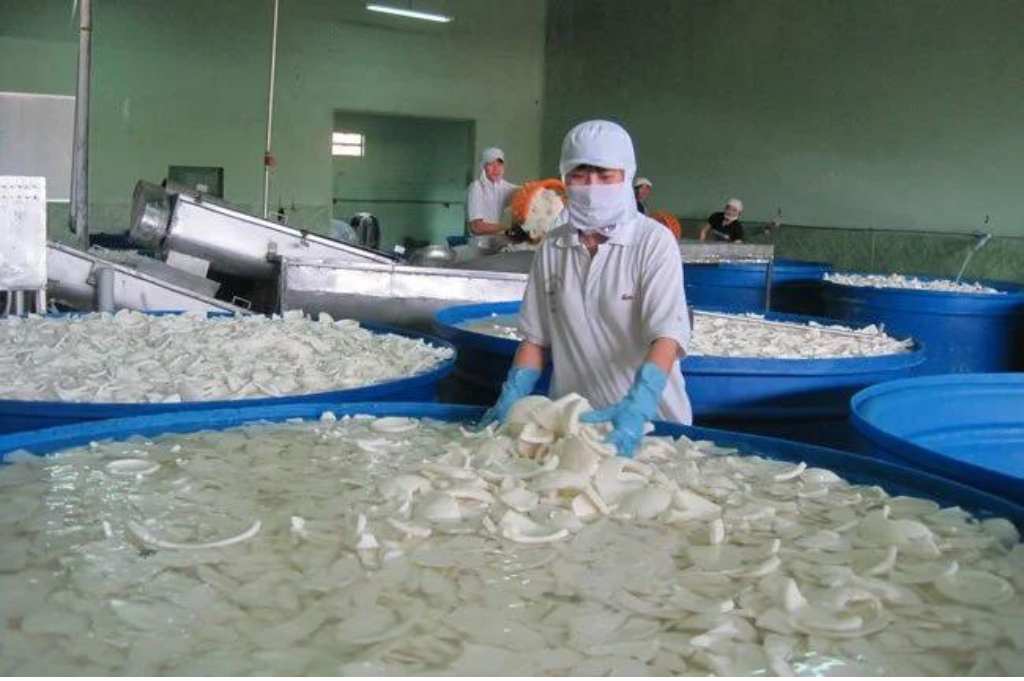
Desiccated coconut moisture and water activity are related. However, they measure different product characteristics.
Desiccated coconut moisture content measures the total quantity of water within the product.
Water activity measures how much water remains available for microbial growth and chemical reactions.
Therefore, two products can have similar desiccated coconut water content but different water activity results.
According to the United States Food and Drug Administration, most microorganisms need sufficient available water for growth. Controlling water activity can therefore improve product stability.
The FDA generally classifies products below 0.60 water activity as low-moisture foods. Such products usually have extended stability without refrigeration.
Importers should not estimate water activity from desiccated coconut moisture content alone. Laboratory testing must confirm both values separately.
For routine purchasing, a moisture specification may be sufficient. For sensitive manufacturing, buyers may also request water activity results.
How Does Desiccated Coconut Moisture Level Affect Shelf Life?
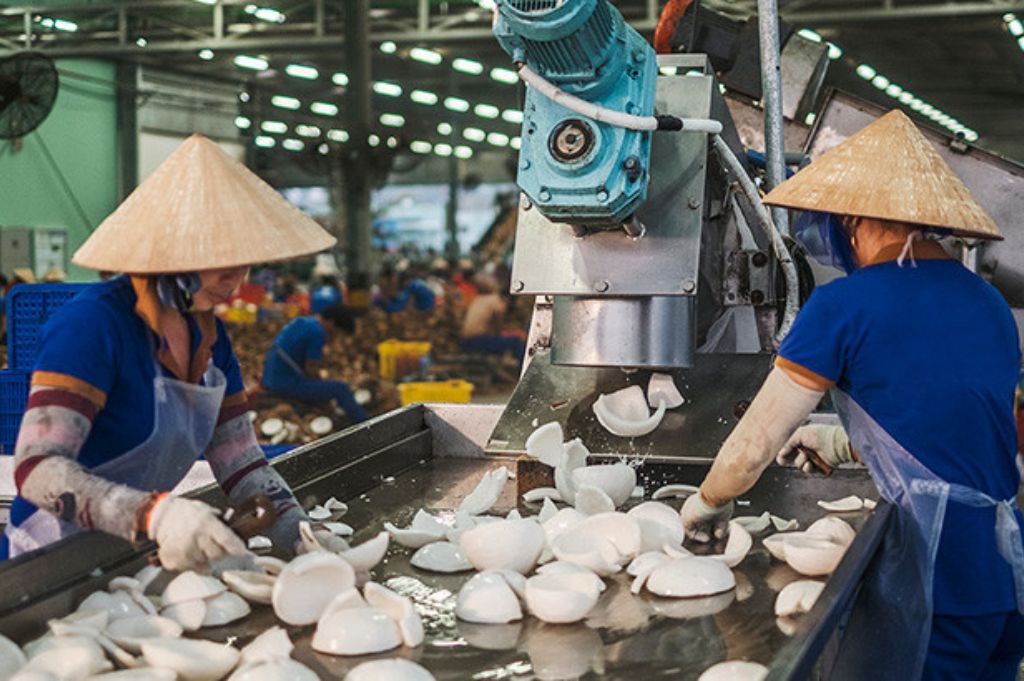
A controlled desiccated coconut moisture level supports more predictable storage performance and shelf life.
However, desiccated coconut moisture content does not determine shelf life alone. Packaging, oxygen exposure, temperature, and microbiological quality also matter.
An excessive moisture level in desiccated coconut may increase caking and reduce product flowability.
These variables include:
- Initial microbiological condition
- Fat content
- Oxygen exposure
- Packaging barrier performance
- Storage temperature
- Relative humidity
- Light exposure
- Container condition
- Seal integrity
Higher moisture can increase caking and reduce flowability. It may also support mould growth when water activity reaches favourable levels.
Additionally, poor storage can weaken aroma and texture. High-fat coconut may also develop rancid flavours through oxidation.
Therefore, buyers should avoid treating shelf life as a fixed result of moisture alone.
A European market guide describes 12 months as a common shelf-life reference under normal storage. It also recommends storage at 26°C or below.
Nevertheless, actual shelf life depends on the validated product specification. The supplier should support any declared shelf life with appropriate records.
Importers should confirm:
- Production date
- Expiry date
- Packaging material
- Storage instructions
- Moisture specification
- Microbiological specification
- Shelf-life validation basis
Therefore, buyers should evaluate desiccated coconut moisture together with packaging integrity and microbiological results. A product may pass moisture testing but still fail sensory or microbiological requirements. Therefore, buyers need a complete specification.
Factors That Affect Desiccated Coconut Moisture Content
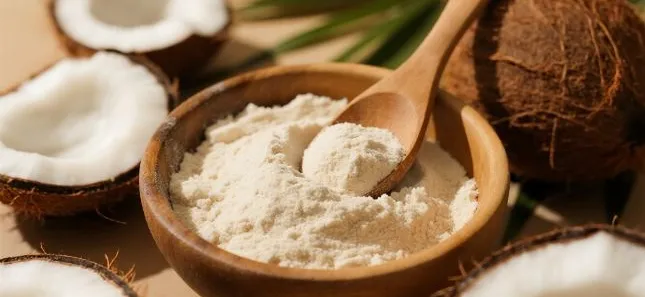
Several processing, packaging, and logistics factors can change desiccated coconut moisture content before delivery. Each factor should be monitored because inconsistent controls may create variations between production batches.
1. Raw coconut maturity
Mature coconut kernel differs in water, fat, and fibre composition.
Season, origin, maturity, and post-harvest handling can therefore affect drying performance.
Processors should sort damaged, germinated, or deteriorated kernels before production.
2. Particle size
Fine coconut particles usually dry differently from medium cuts or flakes.
Smaller particles expose more surface area to hot air. Therefore, they may dry more quickly.
Uneven particle sizes can also create inconsistent moisture within one production batch.
3. Drying temperature and time
Drying must remove sufficient water without damaging the coconut. Insufficient drying leaves excessive moisture. Meanwhile, excessive heat can affect colour, flavour, and texture.
Therefore, factories should control temperature, airflow, residence time, and product depth. Regular monitoring helps maintain consistent desiccated coconut moisture throughout the production batch.
4. Product layering
Thick or uneven layers can restrict airflow during drying. Consequently, some areas may retain more moisture than others. Codex recommends thin layering and effective separation during desiccation.
5. Cooling before packing
Freshly dried coconut remains warm.
Packing warm product too quickly may create condensation inside the bag. Therefore, cooling must occur before final packing. The Codex hygiene code specifically recommends cooling desiccated coconut before packaging.
6. Packaging material
Desiccated coconut can absorb moisture from humid air. Therefore, the inner packaging must create an effective moisture barrier. Common bulk packing uses an outer woven or paper bag with a sealed polyethylene liner. The final construction depends on buyer requirements. A weak liner, damaged seam, or incomplete seal can increase the moisture level in desiccated coconut during storage or transit.
7. Warehouse conditions
High relative humidity can affect exposed products during storage or repacking. Bags should remain closed and protected from walls, floors, water pipes, and open doors. These conditions can change desiccated coconut water content even when the product met specifications before loading.
8. Container conditions
Dirty, wet, damaged, or odorous containers can create serious quality problems. Condensation may develop when containers experience rapid temperature changes during transit. Therefore, exporters should inspect container floors, walls, roofs, doors, seals, and odours before loading.
9. Sampling errors
Moisture may vary between bags or production periods. Testing one surface sample may not represent an entire shipment. Therefore, buyers should agree on a representative sampling procedure before production.
How Is Desiccated Coconut Moisture Content Measured?
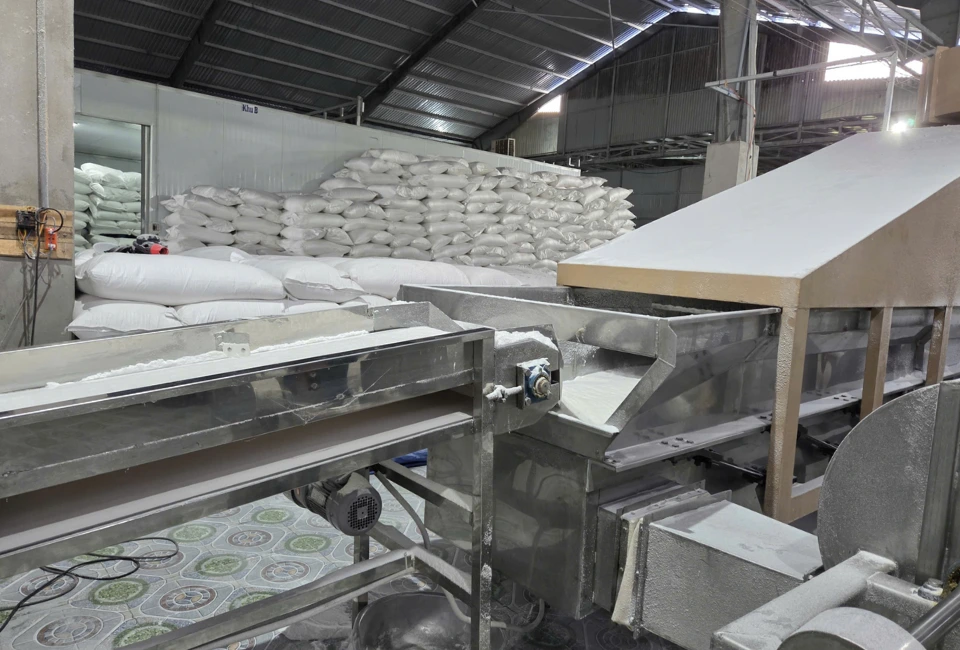
Laboratories usually measure desiccated coconut moisture content through a gravimetric loss-on-drying method. This method determines desiccated coconut water content by comparing the sample weight before and after controlled drying.
The general procedure includes several steps:
- The laboratory weighs a representative sample.
- The sample dries under controlled conditions.
- The laboratory weighs the dried sample again.
- The weight difference represents moisture loss.
- The result appears as a percentage.
Codex analysis guidance lists AOAC 925.40 for desiccated coconut moisture testing. The method uses gravimetric loss on drying.
However, the contract should state the agreed method. Different preparation or drying conditions may produce slightly different results.
Example calculation
Assume a sample weighs 100 grams before drying. After laboratory drying, the sample weighs 97 grams. The moisture loss equals three grams. Therefore, the calculated moisture content is 3%.
The final result shows the moisture level in desiccated coconut as a percentage of the original sample weight.
Moisture meters versus laboratory testing
Factories may use rapid moisture meters for daily process control. However, rapid instruments require calibration against a recognised reference method.
For shipment acceptance, buyers should prioritise an accredited laboratory result. The contract should identify the required laboratory status. Rapid meters can help factories monitor desiccated coconut moisture during production. However, shipment acceptance should rely on an agreed laboratory method.
How Is the Moisture Level in Desiccated Coconut Controlled?
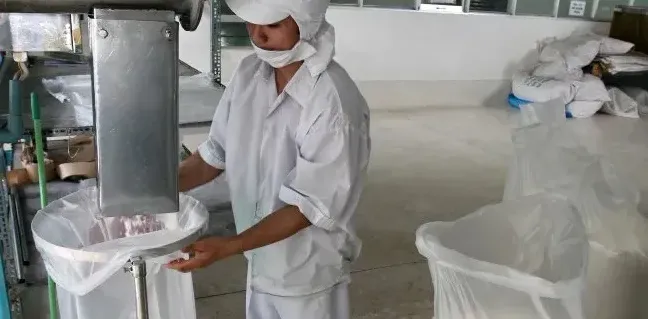
Moisture control should begin before the final laboratory test. A reliable factory normally controls several production points:
- Raw material inspection
- Cutter and shredder settings
- Dryer temperature
- Dryer residence time
- Product layer thickness
- Airflow
- Cooling time
- In-process moisture checks
- Packing room humidity
- Inner-liner sealing
- Finished-product sampling
The production team should record those controls by batch. Additionally, quality staff should investigate unusual moisture results before product release. The final Certificate of Analysis should show the actual desiccated coconut moisture content result. It should not only state “Pass” or “Conforms.”
Importers should also confirm whether the result represents:
- One bag
- One production batch
- A composite sample
- The complete shipment
- A third-party inspection sample
This distinction becomes important during quality claims. These controls help maintain a consistent desiccated coconut moisture level across different batches.
How to Maintain the Ideal Desiccated Coconut Moisture Level
Correct storage helps maintain the ideal desiccated coconut moisture level after production. Poor warehouse conditions can increase desiccated coconut moisture content through humidity, condensation, or damaged packaging.
Keep the storage area clean and dry
The warehouse should remain free from leaks, condensation, pests, and strong odours. Desiccated coconut absorbs environmental moisture and surrounding smells. Therefore, it needs separation from chemicals and aromatic products.
Keep bags sealed
The inner liner should remain fully sealed until production use. After opening, operators should close the remaining product immediately. An airtight food-grade container can provide additional protection. Proper liner sealing helps prevent changes in the moisture level in desiccated coconut after opening or repacking.
Use pallets
Bags should not contact floors directly. Pallets protect against surface moisture and support airflow. However, pallets must remain dry, clean, and pest-free.
Leave space around walls
Products should not touch external walls. Wall surfaces may experience condensation or temperature changes. Therefore, adequate clearance reduces moisture exposure.
Control temperature
Cool conditions usually support better storage stability. The referenced European market guide recommends 26°C or lower. However, the supplier’s validated instructions should remain the primary reference.
Inspect containers before loading
The container should be dry, clean, odour-free, and structurally sound. Exporters should reject containers with wet floors, roof holes, chemical smells, or damaged door seals. Food-safe moisture absorbers may support long-distance shipments. However, they should never contact the product directly. Container inspection is therefore necessary to protect desiccated coconut moisture during long-distance shipment.
Importer Checklist Before Confirming a Shipment
Importers should review the following points before signing the contract. The contract should clearly define desiccated coconut moisture content, testing methods, sampling procedures, and acceptable tolerances.
Product specification
Desiccated coconut moisture content limit:
- High-fat or low-fat grade
- Fine, medium, or customised cut
- Moisture limit
- Fat percentage
- Acidity
- Ash
- Colour and odour
- Microbiological limits
- Sulphur dioxide requirements
Testing requirements
Method used to measure desiccated coconut moisture:
- Approved testing method
- Sampling procedure
- Laboratory requirements
- Acceptable tolerance
- Retest procedure
- Claim settlement process
Packing requirements
Confirm:
- Net weight per bag
- Outer bag material
- Inner liner material
- Liner thickness
- Heat-sealing method
- Pallet requirements
- Shipping marks
Shipment documents
Depending on the destination, buyers may request:
- Commercial Invoice
- Packing List
- Bill of Lading
- Certificate of Origin
- Certificate of Analysis
- Health Certificate
- Fumigation Certificate
- Microbiological test report
- Third-party inspection report
Document requirements vary by destination. Therefore, buyers should confirm final requirements before shipment.
Common Mistakes Importers Should Avoid
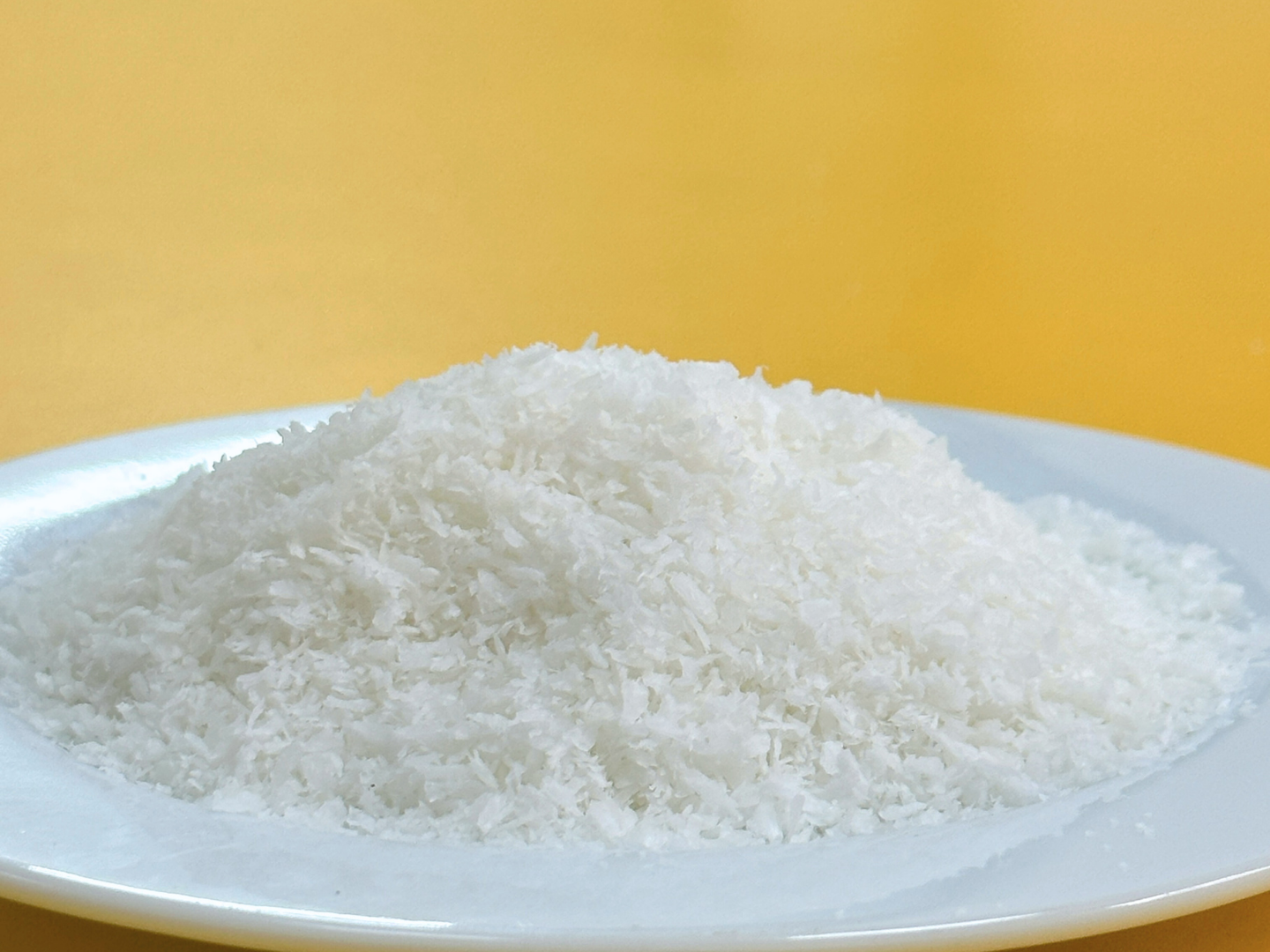
Comparing price before specifications
A lower quotation may cover a different fat level, cut size, or moisture limit. Therefore, buyers should compare offers using identical specifications.
Confusing moisture with water activity
A low moisture result does not automatically provide a specific water activity result. Request separate testing when your production process requires both parameters.
Accepting a vague Certificate of Analysis
The COA should show actual values, test methods, batch numbers, and testing dates. A document containing only “Pass” provides limited evidence.
Testing only one bag
One bag may not represent a full container. Instead, use a sampling plan covering several positions and production batches.
Ignoring inner packaging
A product can leave the factory within specification and absorb moisture later. Therefore, inner-liner quality and sealing deserve equal attention.
Treating samples as shipment guarantees
A pre-contract sample proves that the supplier can produce a particular quality. However, it cannot guarantee every future batch. Buyers should connect sample approval with written specifications and pre-shipment testing.
Why Choose HAVIGO for Premium Desiccated Coconut?
As global demand for desiccated coconut expands, selecting a dependable supplier becomes as important as monitoring market developments. Importers need partners who can maintain consistent quality, food safety, and supply continuity despite rising costs and increasingly complex compliance requirements.
HAVIGO operates in line with internationally recognized standards, including FDA Registration, ISO 22000:2018, and BRCGS Food Safety. These certifications demonstrate HAVIGO’s commitment to global quality and food safety requirements. For importers, distributors, and food manufacturers, HAVIGO provides stable supply, consistent specifications, competitive quotations, and professional export coordination to support long-term business growth.
What is an acceptable moisture content for desiccated coconut?
Codex CXS 177-1991 sets a maximum of 4% by mass. However, many commercial specifications request 3% maximum.
Is 3% moisture better than 4%?
A 3% limit provides additional tolerance against moisture changes. However, the required limit depends on application and contract terms.
Does lower moisture always mean higher quality?
No. Excessive drying may affect yield, colour, aroma, or texture. Buyers should define a practical maximum specification.
Can desiccated coconut absorb moisture during shipping?
Yes. Damaged liners, weak seals, humid air, and container condensation can increase moisture during transit.
Is moisture content the same as water activity?
No. Moisture measures total water. Water activity measures the water available for microbial growth and chemical reactions.
How should importers verify shipment moisture?
Buyers should request a representative sampling plan and a recognised laboratory method. Third-party inspection can provide additional assurance.
Which document normally shows the moisture result?
The Certificate of Analysis normally reports the result. It should include the batch number, test method, date, and actual value.
CONCLUSION
Desiccated coconut moisture content should be evaluated alongside fat content, particle size, packaging, storage conditions, and testing methods.
Vietnam remains a key sourcing origin for desiccated coconut. However, buyers should confirm moisture limits, quality specifications, shipment conditions, and destination requirements before placing orders.
HAVIGO supports importers with product specifications, quotations, sample arrangements, quality documents, and export document coordination for global markets. Contact HAVIGO to request the latest desiccated coconut price quotation for your destination market.