Overview
Which country leads the global market as an exporter of guava? Thailand and Mexico currently hold leading positions, while Brazil, India, Egypt, Pakistan, and Vietnam continue developing their supply. This guide compares major exporting countries, explores the potential of Vietnamese guava, and explains what importers should check before choosing a supplier.
Finding the leading exporter of guava appears simple. However, international trade data creates an important challenge.
Most global databases classify guavas under HS code 080450. This code also includes mangoes and mangosteens. Therefore, published rankings cannot identify the largest guava-only exporter with complete accuracy.
In 2024, Thailand ranked first under this combined product category. Mexico and Brazil followed closely. However, these figures include three different tropical fruits.
This guide explains what the available data really means. It also helps importers evaluate guava origins, suppliers, specifications, packing, and export readiness.
- Thailand currently holds a leading position in the global guava export market by value.
- Mexico remains a major exporter of guava, supported by strong shipment volumes and access to North American markets.
- Brazil, India, Egypt, and Pakistan also contribute significantly to international guava supply.
- Vietnamese guava offers white, pink, and seedless varieties for fresh retail, wholesale, and food-service markets.
- Importers should confirm variety, fruit size, maturity, firmness, packing, and shelf-life requirements before ordering.
- Market access, phytosanitary rules, pesticide residue limits, and export documents vary by destination.
- Cold-chain control and protective carton packing can help reduce bruising and excessive softness during transport.
- HAVIGO supports international buyers with flexible specifications, carton options, export documents, and FOB or CIF quotations.
Which Country Is the Leading Exporter of Guava?
According to the World Bank’s World Integrated Trade Solution, Thailand ranked first among the reported exporting countries in 2024.
Its export value reached approximately USD 665.4 million, with a recorded volume of more than 418 million kilograms. Mexico followed with exports worth around USD 635.5 million.
However, Mexico recorded a higher shipment volume of approximately 442.3 million kilograms.
| Rank | Exporting country | Export value | Recorded volume |
|---|---|---|---|
| 1 | Thailand | USD 665.4 million | 418.2 million kg |
| 2 | Mexico | USD 650.3 million | 442.3 million kg |
| 3 | Netherlands | USD 358.3 million | 152.8 million kg |
| 4 | Brazil | USD 351.5 million | 258.9 million kg |
| 5 | Egypt | USD 158.9 million | 60.0 million kg |
| 6 | India | USD 154.4 million | 107.3 million kg |
| 7 | Pakistan | USD 119.5 million | 135.8 million kg |
The Netherlands appears prominently because it operates as an important European fruit distribution centre.
Thailand, Mexico, Brazil, Egypt, India, and Pakistan have stronger direct agricultural production bases.
Why Does Thailand Lead the Guava Export Market?
Thailand benefits from a tropical climate, established fruit-growing regions, and mature export infrastructure.
The country also has strong access to Asian markets. These destinations offer shorter transport routes for tropical fruits.
Thai exporters commonly support regional wholesalers, supermarkets, fresh markets, and food processors.
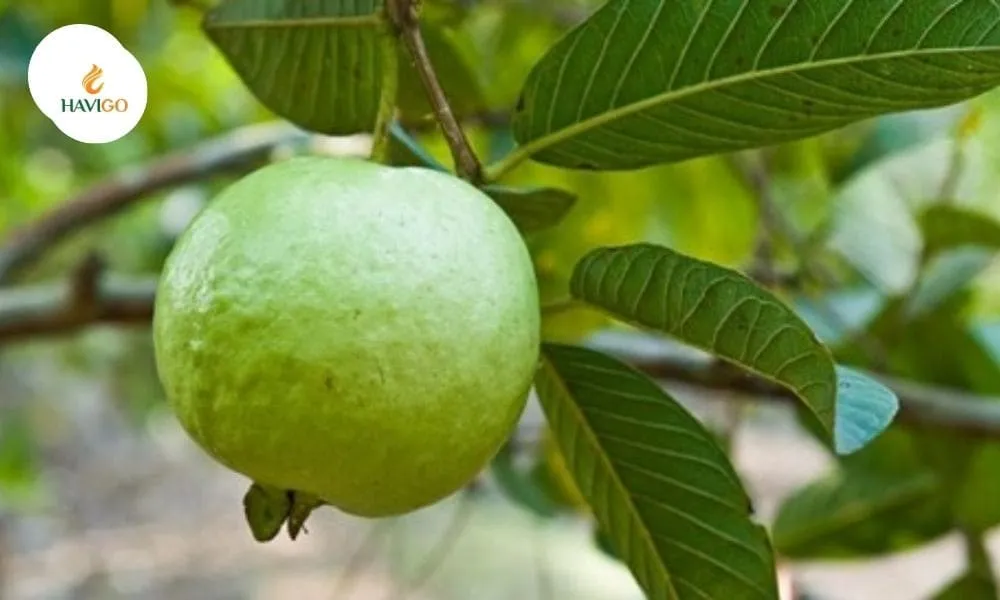
Moreover, the country has experience with:
- Fresh-fruit grading
- Protective packing
- Cold-chain logistics
- Farm traceability
- Phytosanitary procedures
- Air and sea freight
However, supplier capability still varies.
Importers should review the exact variety, farm area, packing method, and previous export experience before ordering.
Mexico: A Major Guava Exporter by Volume
Mexico remains one of the most important guava suppliers worldwide.
Its location provides a clear advantage when serving the United States and Canada.
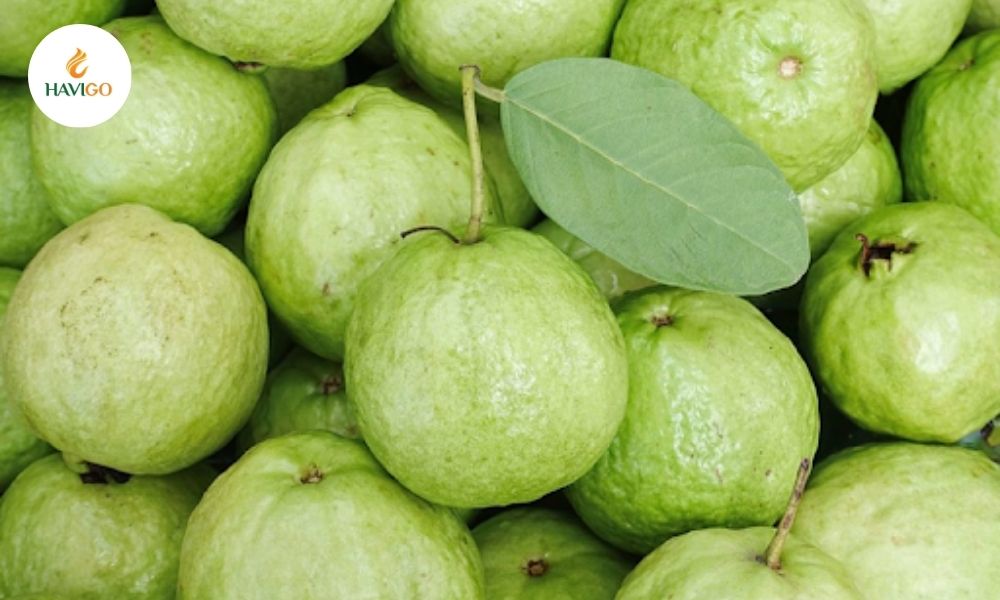
Shorter transport distances can reduce transit time. They may also help preserve firmness and remaining shelf life.
Mexico produces guava for several applications, including:
- Fresh retail
- Wholesale markets
- Juice production
- Guava paste
- Puree and pulp
- Confectionery products
Mexican suppliers may therefore support both fresh and processed guava buyers.
However, importers should separate fresh-fruit requirements from processing specifications.
Fresh guava requires strict maturity control. Processed products require Brix, acidity, colour, and microbiological limits.
Explore Vietnamese Guava from HAVIGO
View available guava varieties, fruit sizes, export specifications, carton options, storage guidance, and shipment support before requesting your quotation.
India: Major Production and Growing Export Ambitions
India is one of the world’s most important guava-producing countries.
Its guava industry supplies substantial domestic demand. However, exporters are also expanding towards overseas markets.
Important destinations include the United Arab Emirates, the United Kingdom, Germany, France, and the Netherlands.
Some Indian exporters expected guava shipment volumes to increase by 30% to 40% during the 2025–2026 season. They were also targeting Canada, Italy, Australia, Russia, and Denmark.
India offers several recognised commercial varieties.
These include Allahabad Safeda, Lucknow 49, Lalit, Arka Mridula, and pink-flesh varieties.
Nevertheless, importers should confirm the exact variety and farm origin. Texture and shelf-life behaviour can differ significantly.
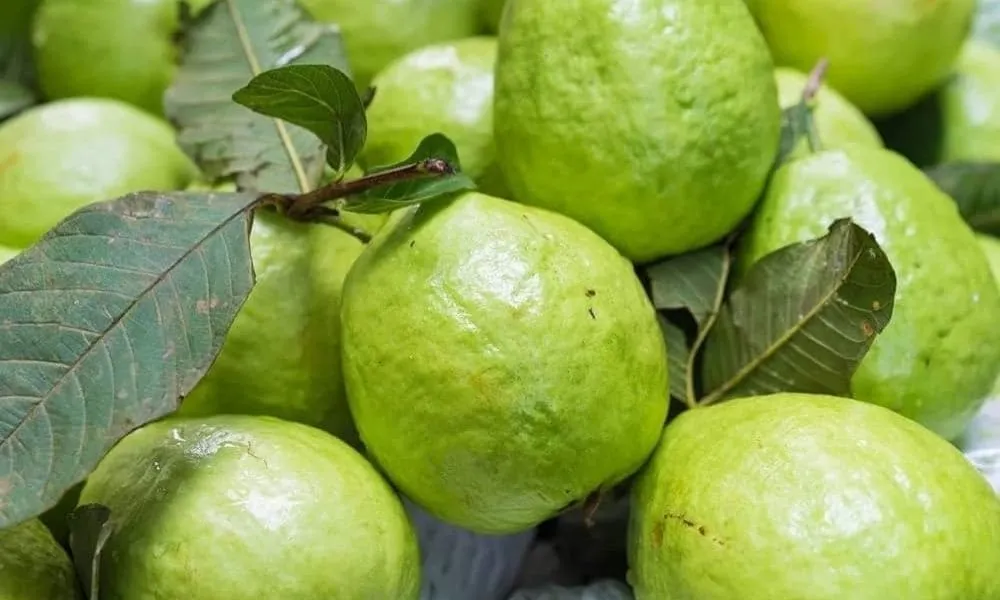
Egypt and Pakistan in Regional Guava Trade
Egypt and Pakistan also hold meaningful positions in international guava supply.
Both countries benefit from access to nearby Middle Eastern, Asian, and European markets.
Their commercial advantages may include:
- Competitive farm prices
- Seasonal availability
- Established regional trade routes
- Access to wholesale markets
- Air-freight options
However, price should not become the only purchasing factor.
Importers should compare actual landed cost, rejection risk, shelf life, and usable fruit percentage.
A cheaper shipment may become expensive when bruising or over-ripening causes high losses.
Where Does Vietnamese Guava Fit in the Global Market?
Vietnam is not yet the largest exporter of guava. However, the country has a rapidly expanding fruit-export industry and established tropical-fruit supply chains.
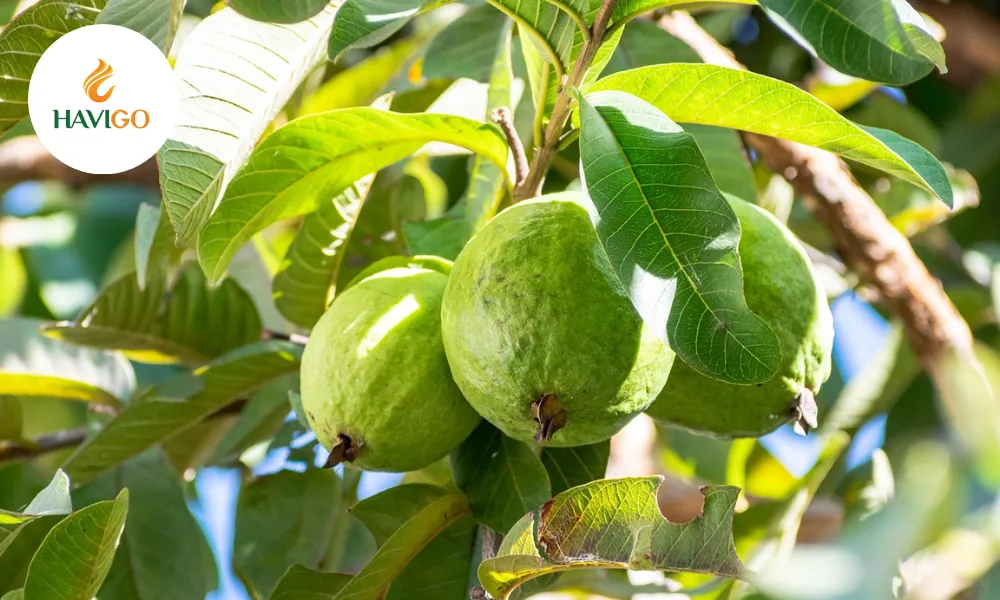
According to the Vietnam Fruit and Vegetable Association, Vietnam’s fruit and vegetable exports exceeded USD 8.5 billion in 2025. This was the highest annual value ever recorded by the sector.
According to Vietnam’s Ministry of Agriculture and Environment, export turnover reached USD 1.54 billion in the first quarter of 2026. This represented a 32.1% year-on-year increase.
These figures cover Vietnam’s entire fruit and vegetable industry rather than guava alone. Nevertheless, the sector’s growth has supported continued improvements in:
- Export packing and storage
- Farm and supply-chain traceability
- Quality and food-safety control
- Market-access procedures
- Post-harvest facilities
- International export documentation
The Ho Chi Minh City Investment and Trade Promotion Centre also reported that Vietnam had 9,357 registered growing-area codes and 1,381 packing facilities serving export markets.
This broader export capacity suggests that Vietnamese guava can provide an alternative sourcing option for regional importers, wholesalers, and supermarket programs.
Explore Vietnamese Guava from HAVIGO
View available guava varieties, fruit sizes, export specifications, carton options, storage guidance, and shipment support before requesting your quotation.
Why Vietnamese Guava Appeals to Importers
Vietnamese guava generally offers a crisp texture, mild sweetness, and firm flesh.
These characteristics suit fresh retail and wholesale distribution.
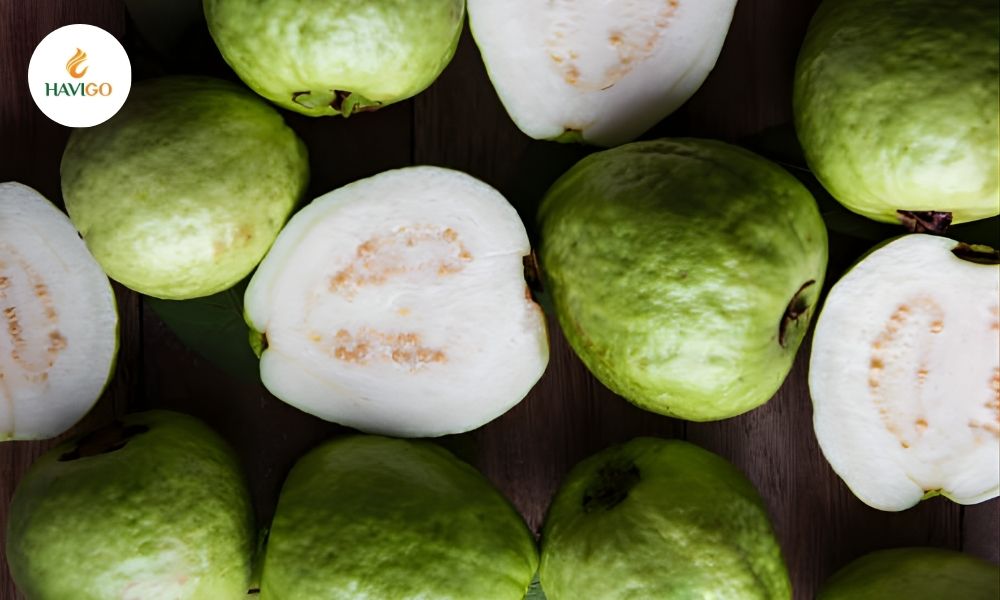
Vietnam can also supply several commercial varieties. Common requests include white guava, pink guava, and seedless guava.
Another advantage is flexible packing.
Suppliers can prepare fruit according to the required carton size, fruit weight, and destination market.
However, availability depends on the farm area, season, quality requirement, and required volume.
Importers should therefore confirm supply before announcing retail programs.
Main Vietnamese Guava Varieties
White Guava
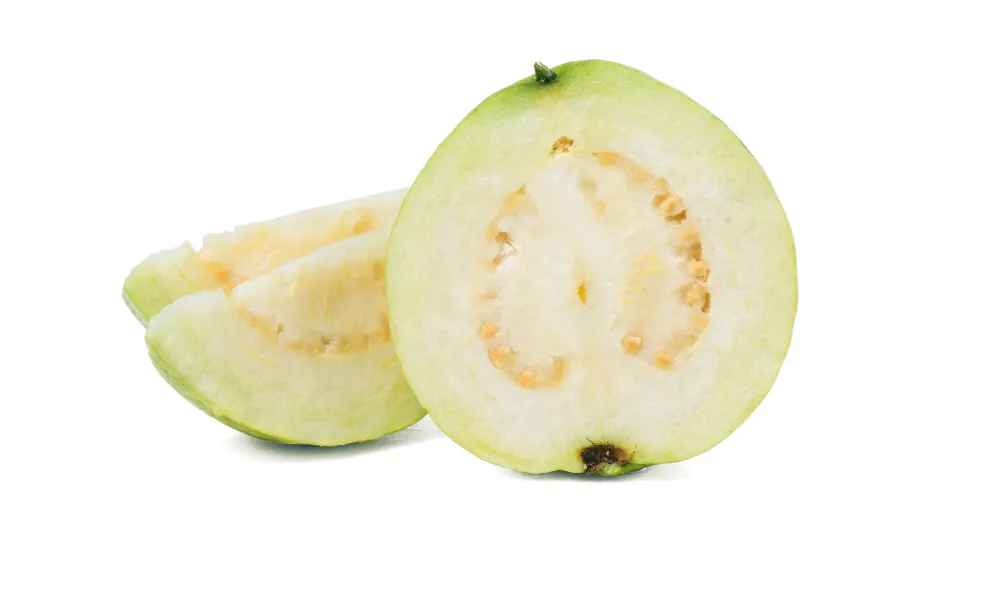
White guava is one of Vietnam’s most common commercial varieties.
It usually has green skin, white flesh, and a firm texture.
The flavour is lightly sweet and refreshing. Therefore, it suits fresh eating and wholesale distribution.
Common applications include:
- Supermarket fruit displays
- Asian grocery stores
- Wholesale fruit markets
- Food-service distribution
- Fresh-cut fruit programs
Typical fruit weight ranges from 150 to 250 grams. Brix may range from 8° to 13°, depending on maturity.
Pink Guava
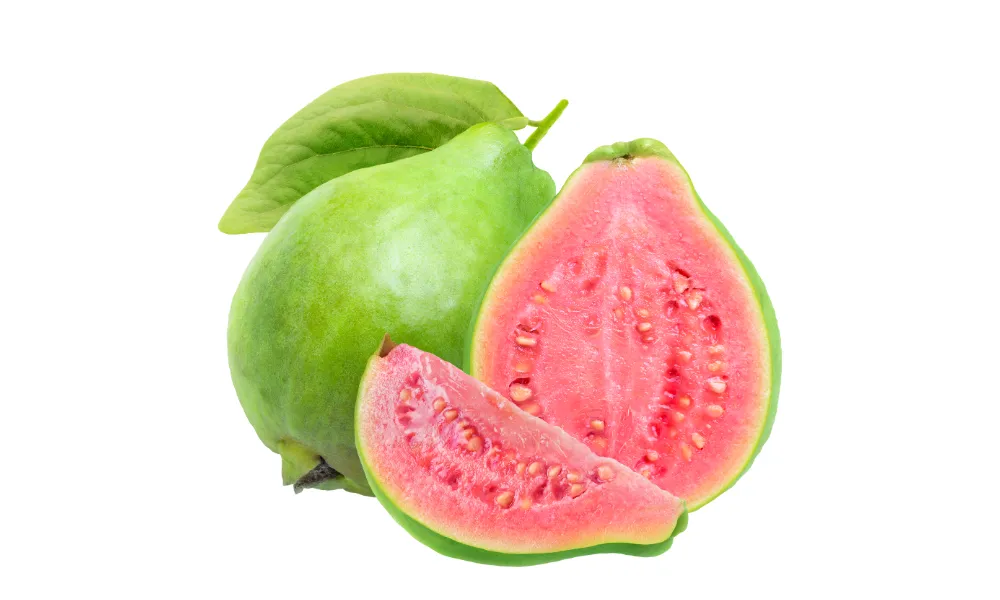
Pink guava has pink flesh and a more noticeable aroma.
Its colour creates stronger visual differentiation on premium fruit shelves.
It also suits juice, smoothies, puree, desserts, and beverage processing.
Pink guava may soften faster than some firm white varieties.
Therefore, importers should confirm harvest maturity and transport time before shipment.
Seedless Guava
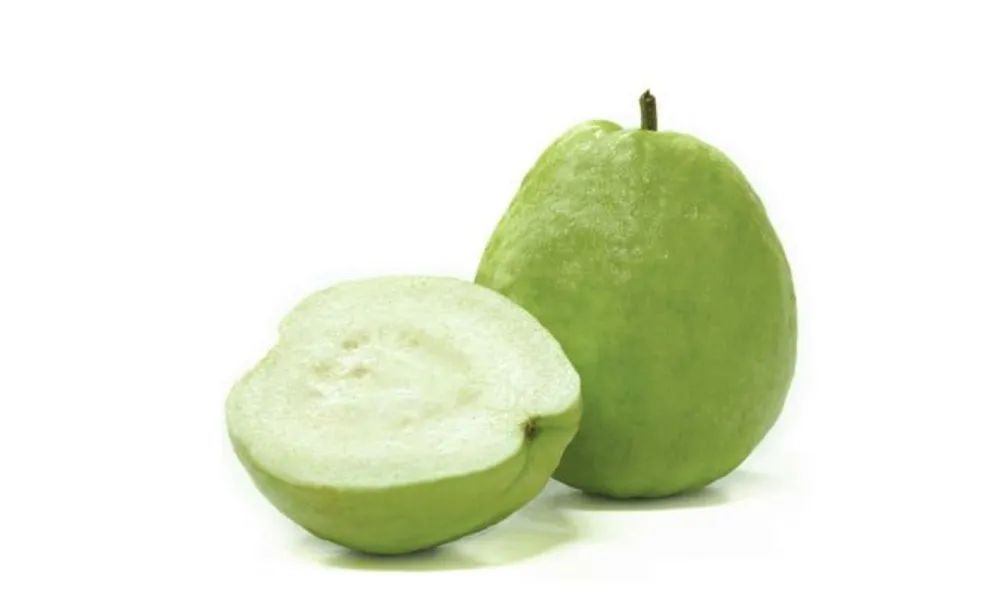
Seedless guava is popular because of its convenient eating experience.
It usually provides firm flesh, a crisp bite, and mild sweetness.
This variety may appeal to:
- Premium supermarkets
- Asian importers
- Ethnic grocery chains
- Fresh-fruit distributors
- Food-service suppliers
Availability can change according to crop conditions and sourcing areas.
Consequently, suppliers should confirm volume before accepting regular monthly programs.
Explore Vietnamese Guava from HAVIGO
View available guava varieties, fruit sizes, export specifications, carton options, storage guidance, and shipment support before requesting your quotation.
Typical Vietnamese Guava Export Specifications
The following parameters represent current HAVIGO reference specifications. Final requirements should be confirmed for each order.
| Specification | Reference |
|---|---|
| Product | Fresh Vietnamese guava |
| Origin | Vietnam |
| Varieties | White, pink, and seedless guava |
| Typical fruit weight | 150–250g per fruit |
| Brix | 8–13°Bx |
| Skin colour | Natural green |
| Flesh | White or pink |
| Texture | Firm and crisp |
| Storage temperature | 8°C–10°C |
| Relative humidity | 85%–90% |
| Packing | 5kg, 9kg, 10kg, or 18kg cartons |
| Shelf life | Around two to three weeks |
| Reference loading | Approximately 20 tons per 40RF |
| Shipment terms | FOB or CIF |
These specifications may change with variety, season, maturity, and destination.
Container loading also depends on carton size and pallet requirements.
Guava Fruit Benefits and Consumer Demand
Nutritional value supports demand for fresh guava.
According to USDA-derived nutrient data, 100 grams of raw common guava contains approximately:
| Nutrient | Amount per 100g |
|---|---|
| Energy | 68 kcal |
| Dietary fibre | 5.4g |
| Vitamin C | 228.3mg |
| Potassium | 417mg |
| Protein | 2.55g |
Actual levels can vary by variety, maturity, soil, and storage.
Vitamin C supports normal immune function and collagen production. It also improves the absorption of non-heme iron.
Meanwhile, dietary fibre supports digestion and can help prevent constipation.
These recognised guava fruit benefits can support retail marketing.
However, exporters should avoid claiming that guava treats or prevents diseases.
Product marketing should focus on nutrition, taste, texture, convenience, and freshness.
Guava Export Outlook for 2026
The guava market is likely to remain competitive throughout 2026.
Thailand and Mexico will continue benefiting from established trade networks.
India is also expanding export destinations and processing capacity.
Meanwhile, Vietnam is strengthening its wider fruit-export sector through traceability and market diversification.
Vietnam’s agricultural traceability system also began operating from January 2026. The country’s fruit and vegetable sector targets further progress towards USD 10 billion in exports.
For guava exporters, future competitiveness will depend on:
- Registered sourcing areas
- Pesticide residue control
- Reliable crop planning
- Consistent grading
- Protective packing
- Cold-chain records
- Correct export labels
- Market-specific documentation
Price will remain important.
However, buyers will increasingly compare arrival quality and claim risk.
Why Source Vietnamese Guava Through HAVIGO?
HAVIGO supplies fresh Vietnamese guava for importers, distributors, wholesalers, and supermarket programs.
Available varieties include white, pink, and seedless guava.
HAVIGO can discuss:
- Required fruit size
- Variety selection
- Carton packing
- Quantity
- Shipment schedule
- Destination port
- FOB or CIF terms
- Export documentation
Fruit can be packed with foam protection and ventilated cartons.
Sea freight suits larger programs, while air freight may support urgent or premium orders.
Final availability and specifications should be confirmed before quotation.
Explore Vietnamese Guava from HAVIGO
View available guava varieties, fruit sizes, export specifications, carton options, storage guidance, and shipment support before requesting your quotation.
Conclusion: Which Country Leads the Guava Export Market?
Thailand currently leads the global market by export value.
Mexico follows closely and records a particularly strong shipment volume.
Brazil, India, Egypt, and Pakistan also remain important guava suppliers.
However, the right exporter of guava depends on more than national rankings.
Importers should compare variety, firmness, maturity, packing, documents, transit time, and destination access.
Vietnamese guava provides another sourcing option for buyers seeking crisp white, pink, or seedless varieties.
To receive an accurate quotation, buyers should provide the required variety, fruit weight, packing, volume, destination port, and shipment period.
HAVIGO can then check crop availability and prepare suitable FOB or CIF terms.
FAQs
Which country is the largest exporter of guava?
Thailand ranked first by export value in the latest complete 2024 trade data available during 2026. Mexico followed closely and recorded a higher shipment volume.
Which countries are major guava exporters?
Thailand, Mexico, Brazil, Egypt, India, Pakistan, and the Netherlands hold important positions in international guava trade.
What varieties of Vietnamese guava are available?
Vietnam commonly supplies white guava, pink guava, and seedless guava. Availability depends on farm areas and crop conditions.
What is the typical size of Vietnamese guava?
HAVIGO’s common reference range is 150 to 250 grams per fruit. Other sizes may be available upon request.
How should fresh guava be packed for export?
Fresh guava commonly uses individual foam nets, paper lining, and ventilated cartons. The packing should protect fruit while supporting airflow.
What temperature is suitable for guava transport?
HAVIGO’s reference storage range is 8°C to 10°C. Final settings depend on variety, maturity, packing, and transit time.
What information is required for a guava quotation?
Buyers should provide variety, size, packing, quantity, destination port, shipment period, and preferred FOB or CIF term.
Sourcing Fresh Guava from Vietnam? HAVIGO Is Here to Help
If you are looking for a reliable guava supplier in Vietnam, request a detailed quotation covering the required variety, fruit size, grade, packing, certifications, shipment terms, and applicable Incoterm. Contact HAVIGO to receive the latest Vietnamese guava price quotation and available supply options for your destination market.