Key Takeaways
- The United States led individual markets, while Europe imported 121,000 tonnes worth €245 million in 2024.
- The United Kingdom recorded 34.32% import growth, followed by Germany at 19.80% and the United States at 14.74%.
- For 2026, demand should remain resilient, although weather risks and slow crop recovery may keep prices volatile.
- Vietnam offers an alternative supply origin, but buyers should confirm grade, specifications, packing, and shipment terms.
Global Demand Across Desiccated Coconut Import Countries
International customs data classifies desiccated coconut under HS code 080111. The United Nations Statistics Division defines this category as edible desiccated coconuts. Fresh coconut and other dried coconut products use different codes.
Therefore, importers should use HS 080111 when comparing international trade. Otherwise, the results may include products outside the required category.
According to GTAIC reports based primarily on UN Comtrade data, the global market reached approximately US$680 million in 2024. Reported import volume was close to 397,000 tonnes.
| 2024 Market Indicator | Reported Result | Meaning for Importers |
|---|---|---|
| Global import value | Approximately US$680 million | A substantial international ingredient market |
| Global import volume | Approximately 397,000 tonnes | Continued industrial and retail consumption |
| Largest importing country | United States | Significant demand from processors and distributors |
| Largest importing region | Europe | High demand with detailed compliance requirements |
| International HS code | 080111 | The code used for desiccated coconut trade analysis |
These figures provide an overview of demand across major desiccated coconut import countries. However, buyers should analyse value, volume, unit prices, and re-export activity together.
Trade databases may also revise historical figures. National customs authorities sometimes submit updated records after the reporting period.
Therefore, small differences may appear between UN Comtrade extracts, commercial reports, and national customs databases.
Top Desiccated Coconut Import Countries in 2024
The ranking of desiccated coconut import countries shows where global purchasing value remained concentrated during 2024.
The United States led the market. The Netherlands, Germany, China, and the United Kingdom followed.
According to GTAIC’s market analysis, these five countries held substantial shares of global imports by value.
| Rank | Importing Country | Global Import Share | 2024 Annual Change | Procurement Significance |
|---|---|---|---|---|
| 1 | United States | 13.03% | +14.74% | Major food manufacturing and distribution market |
| 2 | Netherlands | 8.73% | +7.87% | Important European trading and redistribution hub |
| 3 | Germany | 6.25% | +19.80% | Strong bakery, confectionery, and organic sectors |
| 4 | China | 5.47% | −1.84% | Extensive food-processing market with variable demand |
| 5 | United Kingdom | 4.99% | +34.32% | Rapid value growth across several food applications |
Source note: GTAIC estimates based primarily on UN Comtrade data for HS 080111. Shares measure import value, not domestic consumption.
These figures identify important markets. However, each country plays a different role within the international supply chain.
The Netherlands imports products for domestic use and European redistribution. Therefore, its customs value may exceed local consumption.
Similarly, rising import value does not always indicate higher physical demand. Prices, freight, exchange rates, and product grades can change the final value.
1. United States
The United States represented 13.03% of global import value during 2024. Its reported import value increased by 14.74% from 2023.
Demand comes from bakery manufacturers, confectionery producers, snack companies, distributors, and food-service suppliers. Desiccated coconut also appears in cereals, fillings, coatings, desserts, and plant-based products.
However, market access requires careful regulatory preparation. Foreign facilities producing food for the United States may need FDA food facility registration.
Importers may also carry responsibilities under the Foreign Supplier Verification Programs rule. The rule requires risk-based verification of foreign food suppliers.
FDA guidance also requires prior notice for applicable food shipments. Therefore, exporters should confirm responsibilities before loading.
Buyers and suppliers should agree on FDA registration, FSVP details, specifications, testing, labels, and traceability. These points should be resolved before production begins.
Among the leading desiccated coconut import countries, the United States offers substantial scale. Nevertheless, compliance failures can cause delays, inspections, or rejected entries.
2. Netherlands
The Netherlands represented approximately 8.73% of global import value in 2024. It remains an important entry point for European food ingredients.
Dutch importers may distribute desiccated coconut throughout Germany, Belgium, France, and nearby markets. Therefore, suppliers may indirectly reach several countries through one importer.
This trading role creates demand for repeatable specifications and dependable shipment schedules. Documentation accuracy also becomes essential when products move through several supply-chain stages.
Dutch buyers may request recognised food safety certification. However, requirements usually depend on the final processor or retailer.
Suppliers should identify the final application before confirming compliance. One wholesaler’s requirements may differ from another manufacturer’s standards.
The Netherlands therefore holds a distinctive position among European desiccated coconut import countries. Its trade figures reflect both domestic use and regional redistribution.
3. Germany
Germany held approximately 6.25% of global import value in 2024. Its reported import value increased by 19.80%.
Demand comes from bakery, confectionery, cereal, snack, organic, and speciality food manufacturers. Each application may require a different cut or fat level.
Fine-grade coconut can suit biscuits, coatings, and smooth fillings. Medium grades provide greater texture and a more visible coconut appearance.
German buyers often examine fat, moisture, particle size, sulphur dioxide, microbiology, and foreign matter. They may also require pesticide testing and traceability records.
European Union residue requirements remain important. The European Commission’s EU Pesticides Database provides current maximum residue levels for food products.
However, private specifications may be stricter than legal limits. Therefore, exporters should request the buyer’s complete technical specification before quotation.
4. China
China accounted for approximately 5.47% of global imports during 2024. Its import value declined by 1.84% from the previous year.
Despite this decline, China remains a significant processing market. Desiccated coconut enters bakery, confectionery, snack, beverage, and food-service channels.
Chinese importers often compare several origins during one purchasing cycle. Therefore, unclear quotations can quickly create incorrect price comparisons.
A commercial offer should identify the grade, fat content, moisture, particle size, packing, and destination port. Payment terms and validity should also appear clearly.
For example, a high-fat medium grade cannot be compared with a low-fat fine grade. Their applications, production costs, and market prices differ.
5. United Kingdom
The United Kingdom represented approximately 4.99% of global imports during 2024. Its reported import value increased by 34.32%.
The market serves industrial bakeries, confectionery manufacturers, cereal producers, retail packers, and multicultural food distributors.
However, exporters should not treat the United Kingdom and European Union as one regulatory market. Import procedures and tariff systems can differ.
The UK Government’s import guidance advises importers to check licences, duties, restrictions, and product-specific procedures.
Therefore, importers should confirm current requirements with their customs broker. The final requirements may depend on origin, product treatment, and destination.
Emerging and Secondary Desiccated Coconut Import Countries
Beyond the five largest markets, several desiccated coconut import countries maintain meaningful purchasing volumes.
Singapore, Türkiye, Egypt, Poland, Canada, Brazil, Thailand, India, and Australia deserve further commercial assessment.
The following percentages are approximate 2024 shares of global import value. GTAIC calculates these figures mainly from UN Comtrade data.
| Market | 2024 Global Import Share | Potential Market Role |
|---|---|---|
| Singapore | 4.1% | Regional trading, processing, and distribution centre |
| Türkiye | 4.0% | Bakery and confectionery ingredient market |
| Egypt | 3.6% | Food manufacturing and regional distribution market |
| Poland | 3.5% | Expanding Central European processing base |
| Canada | 3.0% | Retail, bakery, and multicultural food market |
| Brazil | 2.8% | Established domestic food-processing sector |
| Thailand | 2.7% | Food manufacturing and regional ingredient trade |
| India | 2.6% | Industrial processing and domestic consumption |
| Australia | 2.3% | Retail, bakery, and health-food applications |
Source note: Market shares are rounded. Market-role descriptions provide commercial context and are not customs classifications.
Singapore can function as both a destination and regional distribution centre. Therefore, exporters should ask where the importer intends to resell the product.
Türkiye has established bakery and confectionery industries. Consequently, the market can support industrial demand across biscuits, cakes, sweets, and fillings.
Egypt accounted for about 3.56% of global import value in 2024. Its demand comes from manufacturing, food service, wholesale distribution, and traditional confectionery.
Canada supports bakery, retail, confectionery, and multicultural food channels. However, its import volume can move differently from its import value.
Australia held about 2.31% of global imports in 2024. Established suppliers dominate the market, although alternative origins still have opportunities.
Why Europe Remains a Core Regional Market?
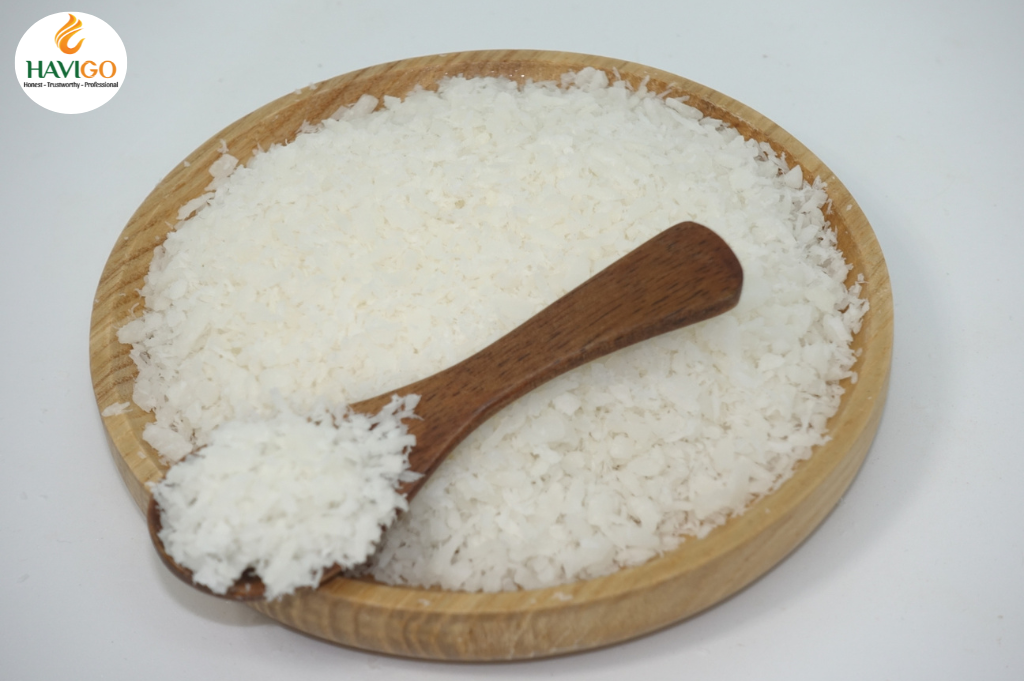
Europe remains a core market for desiccated coconut. Its food-processing industry creates demand across bakery, confectionery, cereals, snacks, and retail packing.
According to the Centre for the Promotion of Imports, European imports reached approximately 121,000 tonnes in 2024. Their reported value reached about €245 million.
| European Market Indicator | 2024 Result |
|---|---|
| Total import volume | Approximately 121,000 tonnes |
| Total import value | Approximately €245 million |
| Major applications | Bakery, confectionery, snacks, cereals, and retail |
| Key procurement concerns | Food safety, testing, traceability, and consistency |
Europe offers substantial industrial demand. However, market entry requires more than competitive pricing.
The CBI market-entry guide highlights food safety certification, testing, colour, and flavour as important supplier requirements.
European importers may also request social compliance or sustainability documentation. These requirements depend on the buyer and final sales channel.
Therefore, suppliers should not assume one certificate covers every European customer.
What Drives Desiccated Coconut Demand?
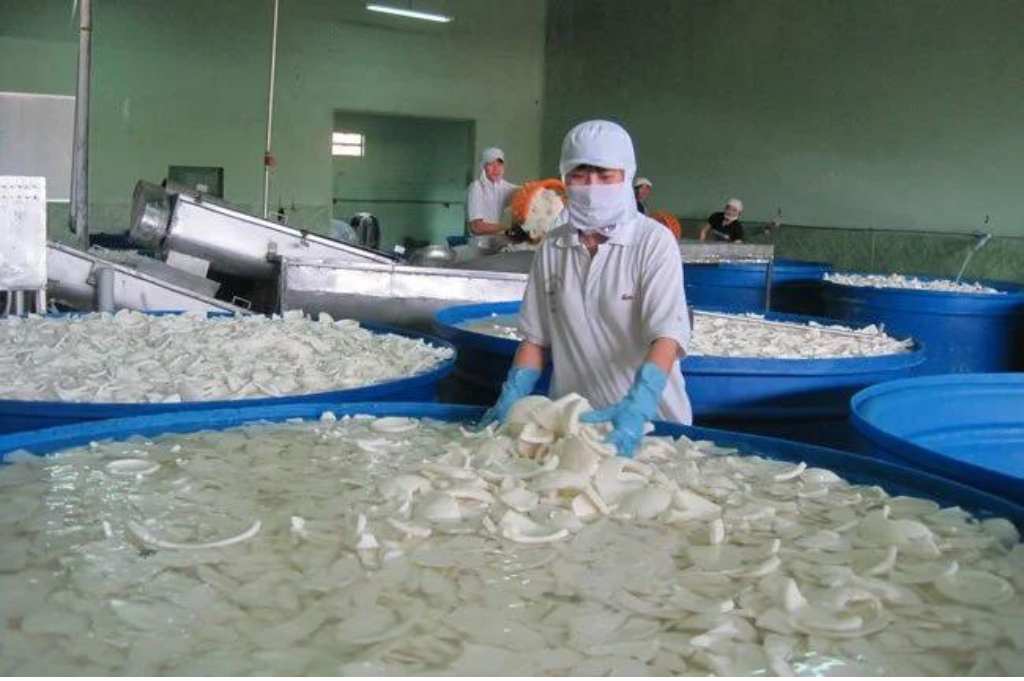
International desiccated coconut demand comes from several food sectors. Bakery and confectionery remain the most established applications.
Manufacturers use the product in biscuits, cakes, chocolate coatings, fillings, cereals, desserts, and snack bars. Retail packers also supply home-baking and multicultural food channels.
Meanwhile, plant-based product development creates additional applications. Coconut ingredients may appear in vegan desserts, dairy alternatives, snack products, and clean-label formulations.
Shelf stability also supports industrial use. Dried coconut is easier to transport and store than fresh coconut meat.
However, storage performance still depends on moisture, hygiene, packaging, and warehouse conditions. Buyers should follow the agreed storage specification.
Demand also changes by cut size. Fine coconut creates a smoother texture, while medium coconut provides more visible structure.
Fat content affects flavour, texture, application, and price. Therefore, desiccated coconut buyers should define the intended use before requesting quotations.
Is International Desiccated Coconut Demand Growing?
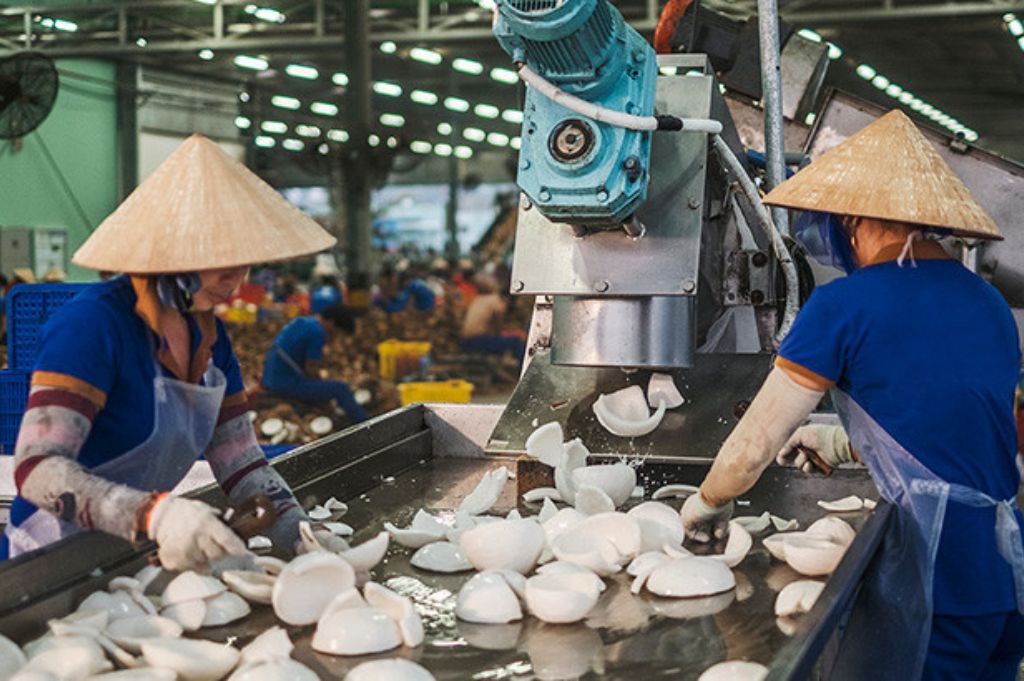
Global trade volume remained broadly stable during 2024. However, several major markets recorded strong import value growth.
The United Kingdom, Germany, and the United States showed notable increases. China recorded a modest decline.
This pattern requires careful interpretation. Import value can rise without equivalent volume growth.
Higher raw material prices, freight costs, exchange rates, and product grades may increase customs value. Physical consumption may remain stable during the same period.
Therefore, companies researching desiccated coconut demand should compare four indicators: value, volume, unit price, and annual growth.
A market with rising value and falling volume may be experiencing price inflation. Conversely, growth in both indicators can suggest stronger physical demand.
What Is the Desiccated Coconut Market Outlook for 2026?
HAVIGO expects desiccated coconut demand to remain resilient in 2026. Bakery, confectionery, snack, and retail applications should continue supporting global trade. According to CBI in 2026, Europe remains the world’s largest desiccated coconut importing region. European imports reached 121,000 tonnes, worth about €245 million, in 2024.
Supply conditions may improve, although the wider coconut market still faces production risks. The International Coconut Community forecasts a recovery in coconut oil production during 2026. However, projected output may remain below 2024 levels. This outlook suggests better raw material availability but does not guarantee lower desiccated coconut prices.
According to Reuters in 2025, recent coconut shortages were linked to adverse weather, pests, ageing trees, and limited plantation investment. Therefore, prices may remain sensitive to crop conditions, production costs, exchange rates, and freight.
Which Markets Offer the Strongest Export Opportunities
Exporters should not evaluate desiccated coconut import countries through market size alone. Regulations, competition, payment risk, freight, and buyer concentration also affect commercial potential.
The United States offers significant scale. However, FDA compliance and FSVP preparation require careful coordination.
The Netherlands provides access to European distribution. Yet buyers may prioritise certification, consistency, and traceability.
Germany supports industrial demand with detailed technical expectations. Therefore, market entry can involve additional testing costs.
The United Kingdom showed strong value growth during 2024. However, exporters must follow UK-specific procedures.
Türkiye and Egypt provide meaningful food-processing demand. Nevertheless, exporters should carefully assess payment terms and customs documentation.
Canada and Australia offer developed retail and manufacturing channels. However, established origins already hold strong market positions.
The most suitable market depends on the supplier’s product, certification, capacity, price, and commercial risk tolerance.
Why Vietnam Is a Competitive Supply Origin
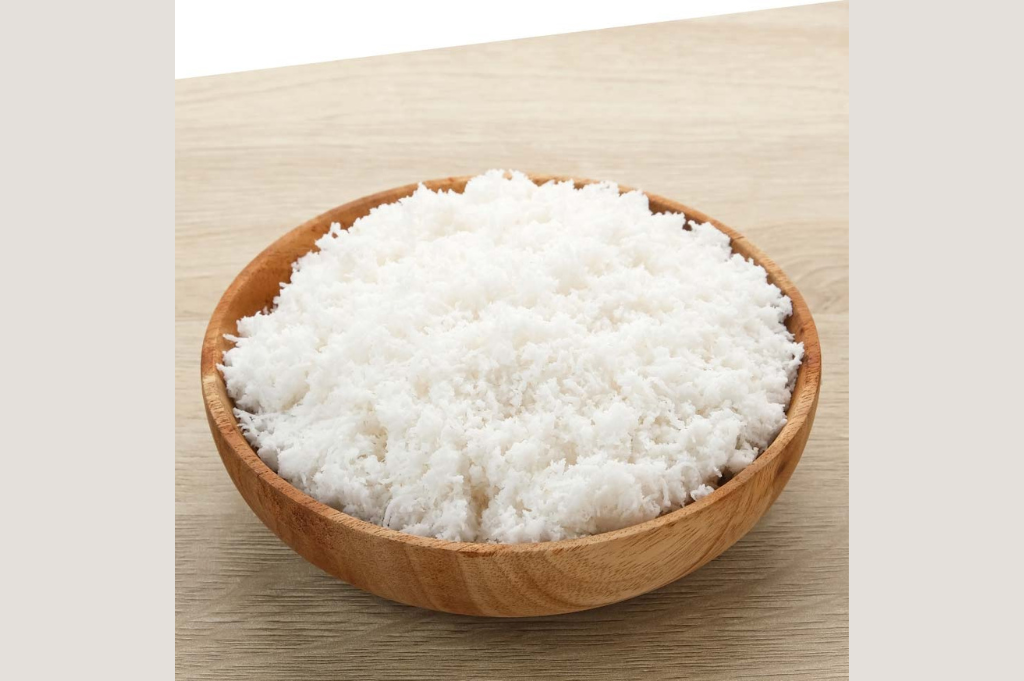
Vietnam provides desiccated coconut importers with another sourcing option beyond traditional origins.
The country has coconut-growing areas and an expanding processing industry. Its geographical position also supports access to Asian and Middle Eastern shipping routes.
Vietnamese processors can offer several grades for different applications. These may include low-fat fine and high-fat fine or medium products.
For example, HAVIGO can discuss low-fat fine grades around 30% fat. High-fat options may reach approximately 62–63%, subject to final specifications.
Standard industrial packing can include 25-kilogram bags. However, packing, container loading quantity, and pallet requirements should be confirmed before quotation.
For buyers across major countries importing desiccated coconut, Vietnam can support supply diversification. However, every factory should still undergo individual evaluation.
Buyers should review production controls, certificates, laboratory reports, traceability, capacity, and claim procedures.
Vietnam’s advantages do not remove procurement risks. Seasonal raw material changes, production planning, and shipping conditions can still affect offers.
How HAVIGO Supports International Buyers
As global demand for desiccated coconut continues to grow, choosing a reliable supplier is just as important as understanding market trends. Importers need sourcing partners that can deliver consistent quality, maintain food safety controls, and ensure supply continuity despite higher costs and increasingly complex compliance requirements.
HAVIGO supports international buyers through internationally recognized systems and certifications, including FDA Registration, ISO 22000:2018, and BRCGS Food Safety. These standards reflect the company’s commitment to product quality, food safety, and export compliance. For importers, distributors, and food manufacturers, HAVIGO provides stable supply, consistent specifications, competitive pricing, and professional shipment coordination to support long-term cooperation.
Which country imports the most desiccated coconut?
The United States led global imports by value during 2024. It represented approximately 13.03% of the reported global market.
Which region has the strongest demand?
Europe remains a core importing region. Its imports reached approximately 121,000 tonnes and €245 million during 2024.
Is global desiccated coconut demand increasing?
Demand varies by market. Global volume remained broadly stable, while several countries recorded higher import values.
Why can import value increase while volume falls?
Prices, freight, exchange rates, and product mix can increase value. Therefore, higher value does not always mean higher consumption.
Why should importers consider Vietnam?
Vietnam offers an additional sourcing origin with expanding processing capabilities. However, buyers should assess each processor individually.
Conclusion
Desiccated coconut import countries should be assessed through import value, volume, price trends, regulations, and buyer requirements.
The United States, Netherlands, Germany, China, and the United Kingdom remain important markets. However, opportunities vary by competition, compliance costs, and supply-chain conditions.
HAVIGO supports importers with product specifications, quotations, sample arrangements, quality documents, and export document coordination for global markets. Contact HAVIGO to request the latest desiccated coconut price quotation for your destination market.