Egyptian food manufacturers need more than a competitive quotation. They also require consistent fat content, controlled particle size, secure packing, and accurate import documents.
Why Egypt Imports Desiccated Coconut
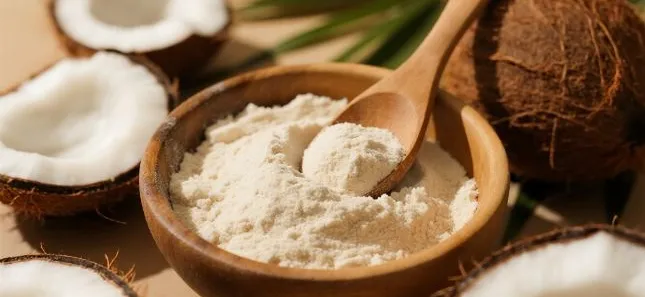
Egypt has an established bakery, confectionery, snack, and dessert manufacturing sector.
However, the country does not produce enough industrial coconut ingredients locally. Therefore, manufacturers depend on imported supply from tropical producing countries.
Desiccated coconut offers several advantages for food factories. It is easier to store, measure, blend, and transport than fresh coconut.
Moreover, manufacturers can select different fat levels and particle sizes. This flexibility supports both cost-sensitive and premium recipes.
According to a January 2026 Egypt market report, Egypt imported about 13,330 metric tons during 2024.
Those imports reached approximately USD 24.17 million. Import value increased by 7.38%, while volume increased by 1.61%.
| Egypt market indicator | Reported result | Meaning for importers |
|---|---|---|
| 2024 import volume | 13,330 MT | Established industrial demand |
| 2024 import value | USD 24.17 million | Significant ingredient market |
| Annual volume growth | 1.61% | Physical demand remained stable |
| Annual value growth | 7.38% | Purchasing costs increased |
| Average customs value | USD 1,810/MT | Historical indicator only |
The market changed further during 2025. From January through September 2025, Egypt imported approximately 6,650 metric tons. Import value reached USD 21.58 million.
Volume declined by 24.77% compared with the same period in 2024. However, import value increased by 34.62%.
The average proxy import value reached about USD 3,250 per metric ton. This was 79.56% higher year on year.
These values are not current supplier prices.
Customs data combines several origins, fat levels, grades, packing formats, and contract terms. Therefore, importers should use it only as a market indicator.
Vietnam’s Position in the Egyptian Market
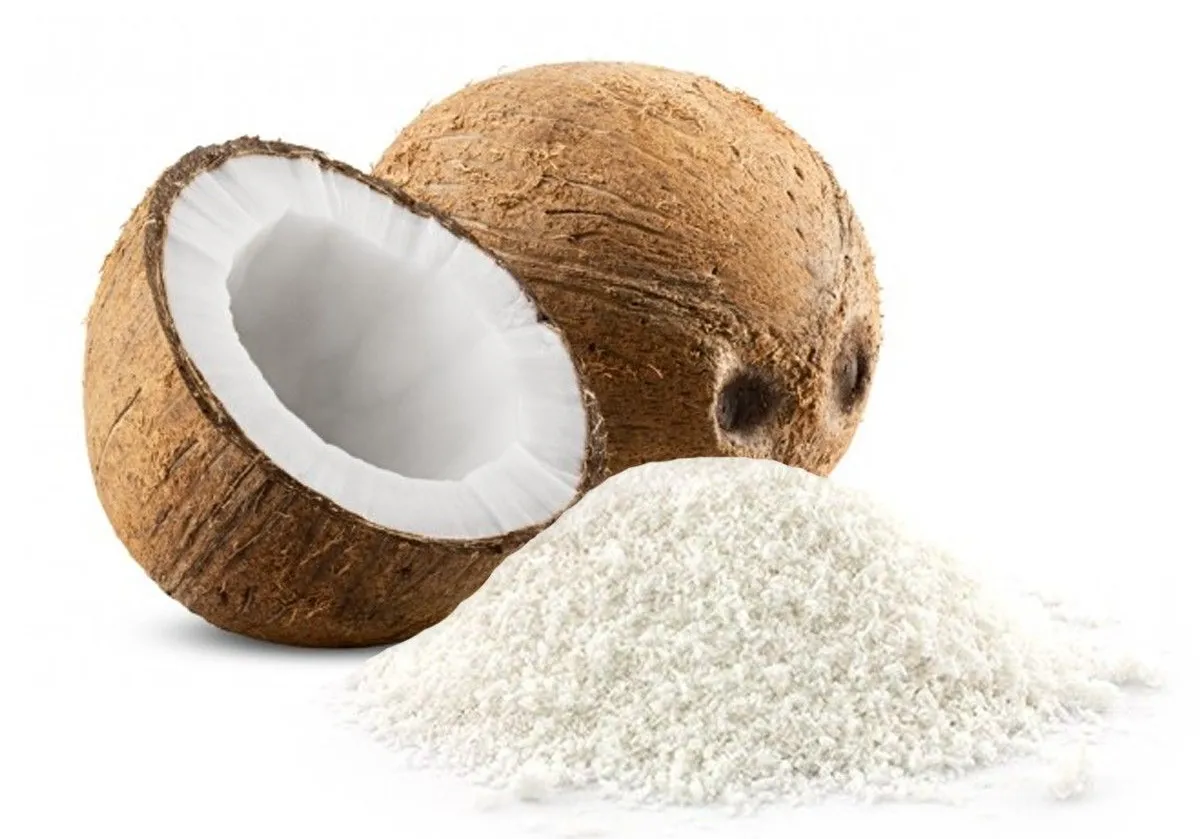
Vietnam remains one of Egypt’s most important sources of desiccated coconut.
According to the same market report, Vietnam represented 55.6% of Egypt’s import volume during 2024.
Indonesia held 22.5%, while Sri Lanka accounted for approximately 17.1%.
However, supplier shares changed during 2025.
Between January and September 2025, Vietnam supplied 39.4% of Egypt’s imported volume. Indonesia supplied 27.2%, while the Philippines reached 17.8%.
Together, the three origins represented 84.4% of Egypt’s imported volume.
| Supply origin | 2024 share | January–September 2025 share |
| Vietnam | 55.6% | 39.4% |
| Indonesia | 22.5% | 27.2% |
| Sri Lanka | 17.1% | 10.2% |
| Philippines | 2.8% | 17.8% |
| India | 1.0% | 3.8% |
Vietnam’s established position shows market acceptance among Egyptian buyers.
However, buyers should still evaluate every supplier separately. Origin alone cannot guarantee consistent quality.
Processors may use different raw materials, drying systems, sieving controls, and packing methods.
Therefore, importers should review the actual factory, product specification, certifications, and production controls.erent production needs.
Why Vietnamese Desiccated Coconut Is Competitive in Egypt
Vietnamese processors can offer several combinations of fat content and particle size.
This flexibility helps Egyptian manufacturers match the ingredient with their recipes and target prices.
Vietnam also has established processing capacity for industrial food ingredients. Suppliers can support container shipments and commercial export packing.
Furthermore, Vietnamese exporters can quote both FOB and CIF terms.
FOB quotations cover delivery to the agreed Vietnamese loading port. CIF quotations include freight and insurance to an Egyptian destination port.
However, freight rates may change before booking. Therefore, CIF quotations usually have limited validity.
Egyptian buyers should compare quotations using identical specifications. A high-fat fine grade cannot be compared directly with low-fat medium coconut.
Low-Fat and High-Fat Desiccated Coconut for Egypt
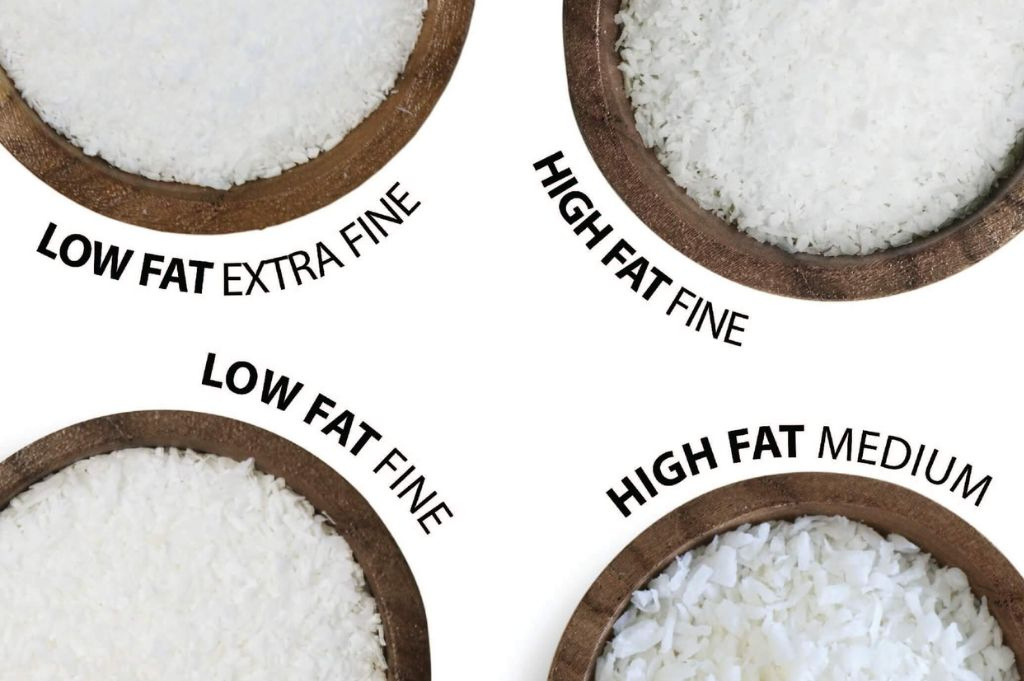
Fat content affects coconut aroma, mouthfeel, water absorption, storage performance, and price.
Therefore, contracts should state the exact fat percentage. Terms like “low fat” remain too broad without numerical limits.
According to the latest amended Codex Standard for Desiccated Coconut, standard desiccated coconut contains at least 60% oil.
Codex classifies partially defatted coconut between 35% and below 60% oil.
HAVIGO commonly discusses the following commercial options:
| Product option | Typical fat content | Common applications |
| Low-fat desiccated coconut | Approximately 30% | Biscuits, dry fillings, coatings, ingredient blends |
| High-fat desiccated coconut | Approximately 62%–63% | Confectionery, macaroons, cakes, chocolate fillings |
| Custom specification | Subject to factory confirmation | Buyer-specific industrial formulations |
A commercial 30% low-fat product sits below the Codex partially defatted range.
Therefore, buyers should state the agreed fat percentage clearly. The contract should also identify the applicable product specification.
When should factories choose low-fat coconut?
Low-fat desiccated coconut provides a drier texture and milder coconut flavour.
It can suit biscuits, bakery fillings, coatings, dry mixtures, and cost-controlled formulations.
However, reduced-fat material may absorb more water during mixing.
Therefore, manufacturers should complete a production trial before changing an approved recipe.
When should factories choose high-fat coconut?
High-fat desiccated coconut retains more natural coconut oil.
It provides a richer mouthfeel, stronger aroma, and softer texture.
This grade suits macaroons, coconut bars, chocolate fillings, cakes, and premium confectionery.
However, higher oil content requires careful storage. Heat and oxygen may accelerate oxidation and rancidity.
Factories should store the product in a cool, dry, and odour-free warehouse.
Fine and Medium Grades Available
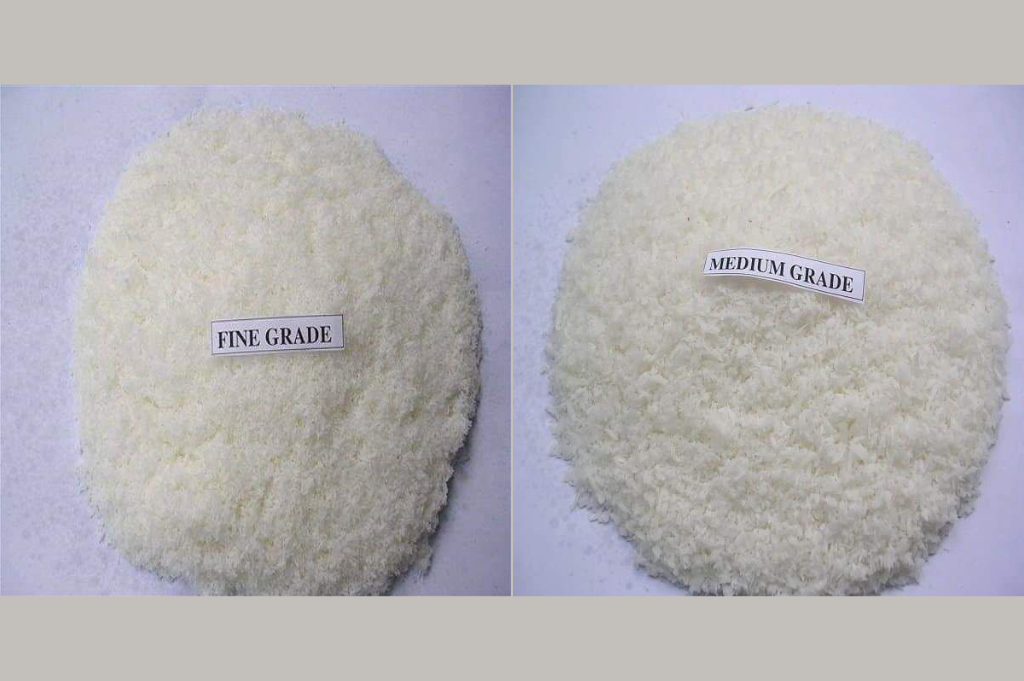
Particle size affects texture, appearance, mixing performance, and product consistency.
HAVIGO can discuss extra-fine, fine, medium, flakes, chips, and special cuts.
According to the Codex sizing requirements, extra-fine coconut must mainly pass a 0.85-millimetre sieve.
Fine coconut must mainly pass a 1.40-millimetre sieve. Medium coconut must mainly pass a 2.80-millimetre sieve.
| Grade | Texture | Recommended applications |
| Extra-fine | Smooth and finely distributed | Fillings, dough, coatings |
| Fine | Balanced texture and dispersion | Biscuits, cakes, creams |
| Medium | More visible coconut particles | Macaroons, bars, toppings |
| Flakes and chips | Large visible pieces | Granola, cereal, decoration |
Commercial grade names may differ between factories.
Therefore, Egyptian buyers should request a sieve analysis or approve a physical sample.
The approved sample should also match the written specification.
Technical Specifications to Confirm
A reliable quotation should include more than fat content and particle size.
Buyers should also confirm moisture, acidity, ash, colour, microbiology, sulphites, and packing.
The latest Codex standard sets maximum moisture at 4%. It also sets maximum ash at 2.5%.
Extracted-oil acidity should not exceed 0.3%, measured as lauric acid.
| Specification point | Reference or buyer requirement |
| Fat content | Approximately 30%, 62%, 63%, or agreed level |
| Moisture | Codex maximum of 4% |
| Extracted-oil acidity | Codex maximum of 0.3% |
| Ash | Codex maximum of 2.5% |
| Colour | Natural white to light creamy white |
| Odour | No mouldy, smoky, fermented, or rancid odour |
| Particle size | Extra-fine, fine, medium, or special cut |
| Microbiology | According to the buyer’s agreed limits |
| Residual sulphites | Standard or sulphite-free, subject to confirmation |
| Shelf life | According to the approved product specification |
The original specification should not automatically state “100% sulfite-free.”
Sulfite-free production may be available. However, buyers must request and confirm it before production.
Microbiological limits should also be agreed before quotation. They may include Salmonella, E. coli, yeast, mould, and total plate count.
Packing for Egypt-Bound Shipments
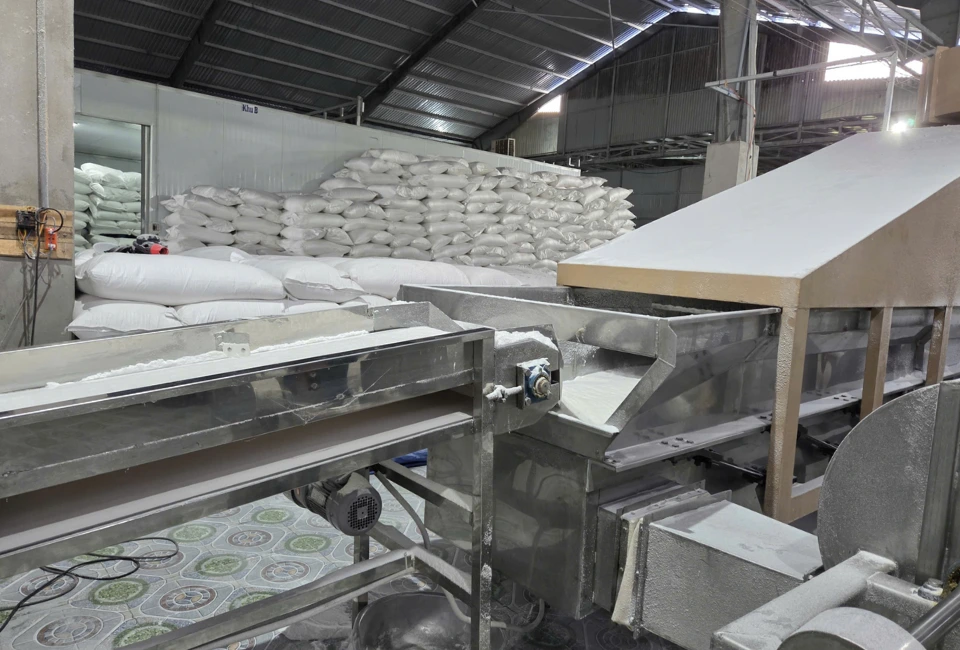
HAVIGO commonly supplies desiccated coconut in 25-kilogram industrial bags.
The product can use a food-grade PE inner liner with a kraft paper or woven outer bag.
The liner protects the coconut from moisture and external odours. Meanwhile, the outer layer supports handling during transport.
Every bag should show the agreed commercial markings. These may include:
- Product name
- Grade and fat content
- Net weight
- Batch number
- Production date
- Expiry date
- Country of origin
- Manufacturer or exporter information
- Storage instructions
Custom labelling may be discussed for Egyptian distributors.
However, final artwork should be approved before production begins.
Container loading depends on bag dimensions and shipping restrictions. Therefore, the final loading quantity should appear in the sales contract.
Export Documents for Egypt
The original article promised a Phytosanitary Certificate for every shipment.
However, this document should not be presented as automatically required.
The final document set depends on product classification and current Egyptian regulations. Buyers should confirm requirements with their customs broker.
A typical commercial document set may include:
- Commercial invoice
- Packing list
- Bill of lading
- Certificate of Origin
- Health certificate
- Certificate of Analysis
- Product specification
- Batch-linked laboratory reports
- Insurance certificate for CIF shipments
A Phytosanitary Certificate can be arranged when the importer or authority requires it.
However, the requirement should be confirmed before production and booking.
Egypt’s ACI and ACID Requirements
Egypt applies an Advance Cargo Information system for imported shipments.
According to the official Nafeza ACI guidance, the Egyptian importer must submit shipment information before loading.
The importer then obtains an ACID number for the shipment.
The exporter must receive the ACID number before cargo departure. Required documents must also be transmitted through the approved electronic process.
Nafeza states that cargo data should be submitted at least 48 hours before shipment.
However, both parties should complete the process earlier. Late document submission can delay loading or customs clearance.
Before shipment, HAVIGO and the importer should check:
| Importer responsibility | Exporter responsibility |
| Register on Nafeza | Register and verify the required exporter account |
| Submit advance cargo details | Provide accurate shipment information |
| Obtain the ACID number | Place the ACID number on required documents |
| Confirm customs requirements | Upload or transmit required documents |
| Coordinate with the customs broker | Ensure consistency across all documents |
Import requirements can change.
Therefore, buyers should confirm the final process with their Egyptian customs broker before shipment.
Direct Shipping to Egyptian Ports
HAVIGO can arrange shipments from Vietnamese ports to major Egyptian destinations.
Common destination options may include Alexandria, Damietta, Port Said, and Sokhna.
However, routing depends on the shipping line and current schedule.
Both 20-foot and 40-foot container options can be discussed.
Still, a 40-foot container usually offers a lower freight cost per metric ton.
HAVIGO can prepare FOB or CIF quotations.
For an accurate CIF offer, the buyer should provide the destination port, required grade, packing, volume, and shipment period.
Freight rates can change before booking. Therefore, final shipping costs require carrier confirmation.
Applications Across Egypt’s Food Industry
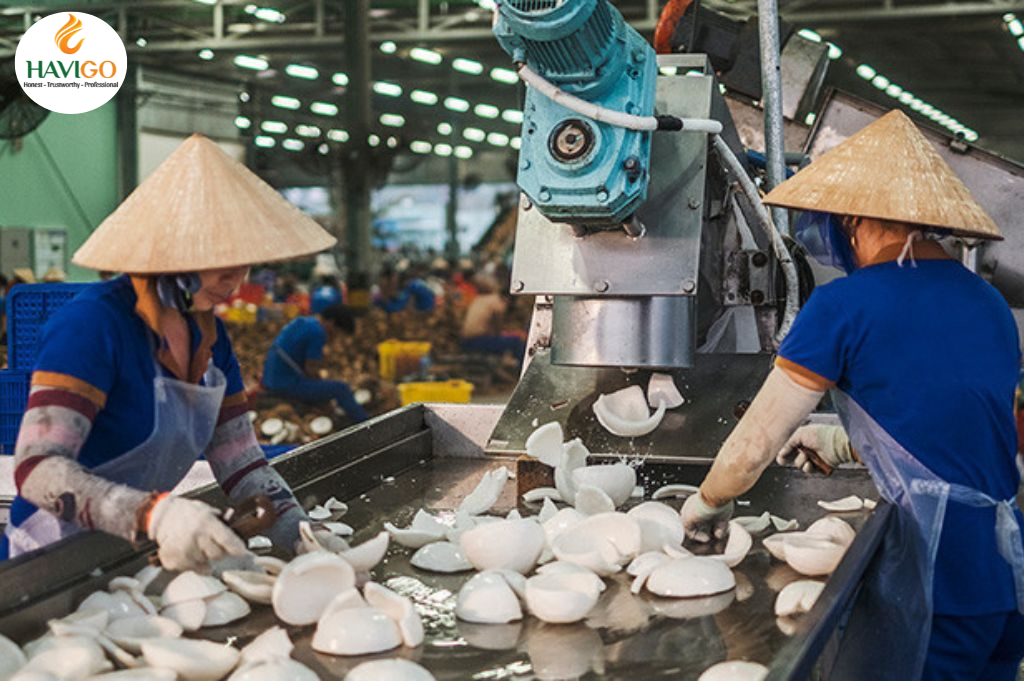
Desiccated coconut serves several Egyptian food manufacturing segments.
Biscuit factories often use fine or extra-fine coconut. These grades distribute evenly through dough and fillings.
Confectionery producers may prefer high-fat medium coconut. It provides stronger flavour and a richer mouthfeel.
Snack manufacturers can use flakes, chips, or medium cuts. These products create visible coconut texture in cereal and granola blends.
Dessert producers can use coconut in cakes, syrup-based sweets, cream fillings, and decorative toppings.
Ingredient distributors may also import industrial bags for local repacking.
However, repacking facilities must control humidity, hygiene, batch identification, and stock rotation.
Common Mistakes Egyptian Buyers Should Avoid
The first mistake involves comparing prices without matching specifications.
A low-fat product will usually cost less than a high-fat product. However, both products may perform differently.
The second mistake involves accepting only a product name.
Terms like “fine” or “medium” can vary between factories. Buyers should request a sieve specification.
Another mistake involves relying only on a pre-shipment sample.
A small sample cannot represent every bag inside a container. Therefore, batch testing and inspection may still be necessary.
Importers should also inspect packing integrity.
A damaged inner liner may expose coconut to moisture and unwanted odours.
Finally, buyers should verify certification scope.
A certificate may cover another facility or product line. Therefore, the production address and covered activity must match the order.
Why Egyptian Importers Choose HAVIGO
Reliable sourcing requires more than a competitive price. Buyers should confirm fat content, particle size, packing, quality standards, and import documents before ordering.
HAVIGO supports importers with product specifications, quotations, sample arrangements, quality documents, and export document coordination for global markets. Contact HAVIGO to request the latest desiccated coconut price quotation for your destination market.