Finding reliable cassia suppliers in Vietnam is not simply a matter of comparing prices or looking at photos of cinnamon bark.
From my experience working with international buyers in the Vietnamese agricultural export industry, I have seen buyers receive very different commercial results from products that initially looked almost identical.
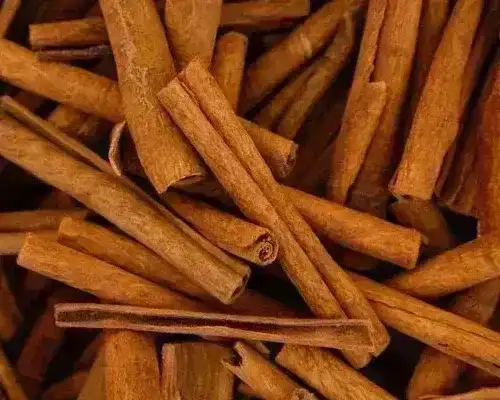
For cassia cinnamon, factors such as essential oil content, moisture, bark thickness, mould control, sulphur treatment, processing method, packing, and raw material origin can significantly affect both product quality and final cost.
Vietnam is one of the important origins for cassia used in spice blending, food manufacturing, tea, extraction, retail packing, and industrial applications.
In this guide, I compare five cassia suppliers in Vietnam that B2B importers can consider in 2026.
Key Takeaways
Based on my experience dealing with bulk agricultural products, these are the main points I recommend buyers keep in mind:
- Vietnam can supply whole cassia, split cassia, sticks, tubes, broken cassia, and powder.
- Hanfimex has visible information about organic farms and cinnamon processing.
- HAVIGO ranks #2 due to its flexible cassia product range, multiple sourcing and processing locations, and export coordination capability.
- Prosi has established cinnamon-processing operations and focuses on bulk export.
- Visimex has a strong position in organic and traceable agricultural products.
- Agrideco operates a cinnamon-processing facility in Yen Bai.
- Buyers should always verify specifications for the actual shipment rather than relying only on general supplier descriptions.
How I Selected These Vietnam Cassia Supplier
When I evaluate Vietnam cassia supplier, I normally look beyond the company profile.
For a serious B2B sourcing program, I consider several practical factors:
- Access to cinnamon-growing areas
- Processing capability
- Available cassia grades and formats
- Export packing capability
- Quality-control procedures
- Certification visibility
- Traceability
- International B2B experience
- Ability to provide clear product specifications
- Communication and shipment coordination
The order below reflects my assessment of sourcing relevance for international buyers. It should not be interpreted as an audited ranking based on total export volume.
Top 5 Cassia Suppliers in Vietnam
1. Hanfimex Group
Hanfimex publishes information about its organic cassia farms and processing activities in northern Vietnam.
The company offers several commercial cinnamon formats and has positioned itself strongly in agricultural ingredient exports.
Why I Consider Hanfimex
One advantage I see in Hanfimex’s model is its farm-linked sourcing.
For buyers dealing with organic products or markets that require stronger traceability, visibility over raw material areas can be important.
This type of supply structure may suit:
- Organic food companies
- Spice brands
- Ingredient importers
- Premium retailers
- Buyers with strict traceability requirements
What I Would Verify Before Ordering
Even when working with an established supplier, I would still request lot-specific information covering:
- Organic certification scope
- Factory certification
- Essential oil content
- Moisture
- Coumarin requirement
- Sulphur treatment
- Pesticide residues
- Microbiological limits
- Packing
- Crop and production date
This is something I recommend with all cassia suppliers, not only Hanfimex.
2. HAVIGO Company Limited
HAVIGO’s cassia cinnamon page presents its cassia sourcing and processing capabilities associated with key production areas including Yen Bai, Bac Giang, and Soc Son.
HAVIGO works with international importers, wholesalers, distributors, and food manufacturers requiring Vietnamese agricultural products.
Why I Rank HAVIGO #2
In my work with international buyers, I find that many customers do not need only one cinnamon specification.
One buyer may require whole cassia for industrial extraction, another may need decorative sticks for retail packing, while another requires broken cassia or powder for food manufacturing.
HAVIGO can coordinate several commercial forms, including:
- Whole cassia
- Split cassia
- Cassia sticks
- Cigarette cassia
- Tube cassia
- Broken cassia
- Cassia powder
This flexibility is particularly useful for importers looking for a Vietnam cassia supplier capable of handling different specifications under one commercial relationship.
HAVIGO can also discuss:
- FOB quotations
- CFR or CIF quotations
- Customized packing
- Container loading
- Export documentation
- Shipment schedules
- Combined agricultural sourcing programs
From a B2B perspective, I consider this coordination capability important because the lowest product price does not always result in the lowest landed cost.
Poor packing, incorrect specifications, low container utilization, or documentation problems can easily create additional expenses after shipment.
What Buyers Should Confirm with HAVIGO
Before confirming a contract, I recommend specifying:
- Botanical species
- Raw material origin
- Bark thickness
- Product length
- Moisture
- Essential oil percentage
- Foreign matter
- Mould tolerance
- Insect tolerance
- Sulphur treatment status
- Microbiological requirements
- Packing
- Required certificates
Buyers sourcing several Vietnamese products can also review HAVIGO’s broader agricultural product portfolio.
3. Prosi Thang Long
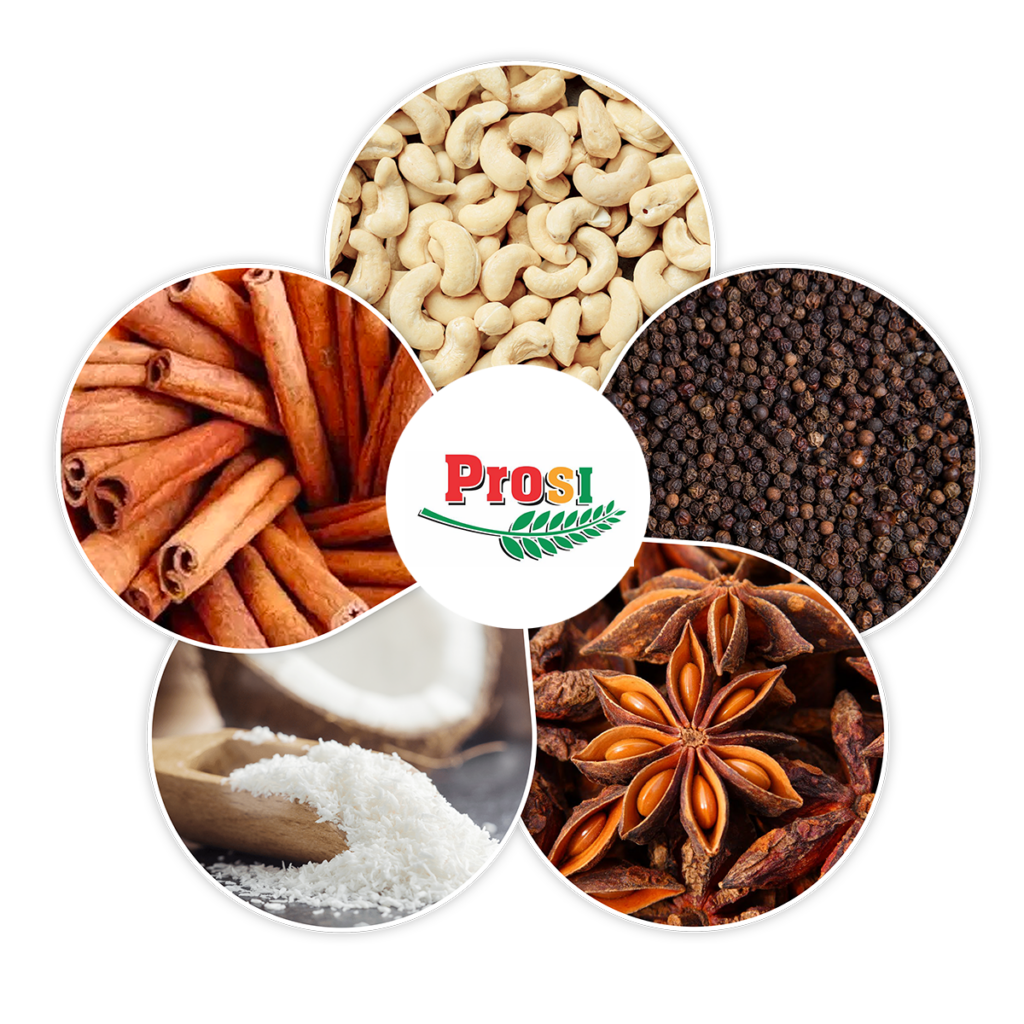
Prosi publishes information about cinnamon-processing facilities in northern Vietnam and its activities in bulk agricultural exports.
Why I Consider Prosi
For buyers whose priority is recurring volume, processing infrastructure is an important consideration.
Prosi appears particularly relevant to importers looking for industrial quantities of cinnamon and other Vietnamese spices.
The company works with different processed and bulk spice formats.
What I Would Ask Prosi
Before comparing its offer with other cassia suppliers, I would request:
- Current product specification
- Factory location
- Available monthly quantity
- Current certificates
- Moisture specification
- Oil content
- Treatment method
- Packing specification
- Inspection options
Available capacity can change during the season, so I prefer confirming the quantity for the specific shipment period instead of relying on general annual capacity figures.
4. Visimex Corporation
Visimex operates in Vietnamese agricultural exports with a strong focus on organic and traceable products.
Its portfolio includes both organic and conventional spices.
Why I Consider Visimex
For some buyers, especially European and premium retail customers, traceability and certification can matter as much as price.
In those cases, Visimex can be worth considering among Vietnamese cassia suppliers.
The company may be particularly relevant for:
- Organic spice brands
- Premium retailers
- Food ingredient companies
- Buyers requiring documented supply-chain controls
What I Would Verify
I would confirm whether the specific offered lot is covered by the certification required by the destination market.
I would also check:
- Oil content
- Coumarin requirement
- Moisture
- Residue limits
- Microbiology
- Packing
- Organic scope
- Processing facility
A company having an organic certification does not automatically mean every available cinnamon lot is organic, so the certification scope should always be checked carefully.
5. Agrideco Vietnam
Agrideco Vietnam publishes information about a cinnamon-processing operation in Yen Bai, one of Vietnam’s major cinnamon-growing areas.
Its product range includes common commercial forms such as:
- Whole cassia
- Split cassia
- Sticks
- Broken cassia
- Cassia powder
Why I Consider Agrideco
A supplier with a strong product focus can be useful when buyers require detailed discussions about cinnamon grades, processing, or physical specifications.
Agrideco may therefore suit importers looking specifically for Vietnamese cinnamon products.
What I Would Verify
Before placing an order, I would confirm:
- Available capacity
- Raw material origin
- Factory certifications
- Laboratory testing
- Moisture
- Essential oil content
- Processing method
- Packing
- Export experience in the destination market
Quick Comparison of Cassia Suppliers in Vietnam
| Supplier | Main Sourcing Strength | Product Focus | Suitable Buyers |
|---|---|---|---|
| Hanfimex | Farm-linked and organic sourcing | Multiple cassia formats | Organic and premium programs |
| HAVIGO | Multi-location sourcing and export coordination | Whole, split, sticks, tubes, broken, powder | Flexible B2B sourcing programs |
| Prosi | Industrial spice processing | Bulk cinnamon products | Recurring high-volume buyers |
| Visimex | Organic and traceable sourcing | Organic and conventional cinnamon | Certified retail and ingredient buyers |
| Agrideco | Yen Bai cinnamon processing | Common commercial cassia forms | Cinnamon-focused importers |
Why I Recommend Sourcing Cassia Cinnamon from Vietnam
After working with Vietnamese agricultural exports, I see several reasons why Vietnam remains competitive for bulk cassia cinnamon.
Established Cinnamon-Growing Areas
Northern Vietnam has established cinnamon-growing regions supported by generations of cultivation and processing experience.
Yen Bai is particularly well known for cinnamon production, while other northern provinces also contribute to commercial supply.
Being close to raw material areas can help cassia suppliers manage collection, grading, processing, and seasonal supply more effectively.
Wide Range of Product Forms
Vietnamese processors can produce cinnamon for several end uses.
Depending on the application, buyers may source:
- Raw whole bark
- Split cassia
- Rolled sticks
- Tube cassia
- Cigarette cassia
- Broken cassia
- Cinnamon chips
- Cassia powder
I always recommend telling the supplier the final application instead of requesting only “cinnamon.”
A product intended for grinding does not need the same appearance as cinnamon intended for premium retail sticks.
Strong Aroma and Essential Oil
Vietnamese cassia is commercially known for its strong aroma.
However, I would never recommend purchasing solely based on the general reputation of the origin.
Oil content varies depending on factors such as:
- Growing area
- Tree age
- Bark position
- Harvest period
- Drying
- Storage
- Processing
For contracts where essential oil is important, I recommend specifying a minimum oil percentage and requesting a test result for the lot.
Flexible Export Packing
Depending on the product and destination, cassia suppliers in Vietnam can commonly offer:
- PP bags
- PE-lined bags
- Cartons
- PE-lined cartons
- Vacuum packing
- Buyer-branded packaging
For me, packing is not simply a cosmetic issue.
Cinnamon is aromatic and hygroscopic. Poor packing or moisture exposure during transportation can affect aroma, appearance, and microbiological condition.
How I Choose a Reliable Vietnam Cassia Supplier
1. Confirm the Botanical Species
The word “cinnamon” is often used broadly in international trade.
Different botanical species can have different aroma profiles, chemical characteristics, and market positioning.
I recommend stating the botanical species and origin directly in the contract.
2. Define Physical Specifications
For bulk cassia cinnamon, I normally expect the RFQ or contract to clarify parameters such as:
- Bark thickness
- Length
- Stick diameter
- Broken percentage
- Foreign matter
- Colour
- Appearance
- Mould tolerance
The more clearly these parameters are defined, the lower the risk of disputes after arrival.
3. Set Chemical Requirements
Depending on the application and market, buyers may need to specify:
- Moisture
- Volatile oil
- Total ash
- Acid-insoluble ash
- Coumarin
I strongly prefer measurable parameters over subjective descriptions such as “premium quality” or “best quality.”
4. Clarify Sulphur Treatment
This is one area I recommend discussing before confirming the purchase.
Some markets or buyers require sulphur-free cinnamon.
If sulphur treatment is prohibited, that requirement should be written explicitly into the specification and purchase contract.
5. Verify Microbiological Requirements
Food manufacturers may require limits for:
- Salmonella
- E. coli
- Yeast
- Mould
- Total plate count
Requirements vary significantly depending on the destination and final application.
Do not assume that the supplier’s standard specification automatically meets your market requirement.
What Determines Bulk Cassia Cinnamon Prices?
When buyers ask me why two cassia offers have different prices, I normally look at several variables before comparing them.
Product Form
Whole bark, premium sticks, broken material, and powder require different levels of processing and labour.
Decorative sticks normally require more selection and grading than material intended for grinding.
Essential Oil Content
A higher essential oil requirement can reduce the amount of raw material that qualifies for the order.
That naturally affects the price.
Bark Thickness and Appearance
Uniform bark, colour, length, and thickness require tighter grading.
For retail products, appearance can therefore significantly influence cost.
Certification
Organic certification and market-specific compliance programs add costs throughout farming, segregation, processing, testing, and documentation.
Packing
Packing materials and carton specifications can change both production cost and container utilization.
Freight
Cassia is relatively bulky compared with many dense agricultural products.
I therefore pay close attention to loading quantity and carton dimensions when comparing CIF or CFR prices.
A slightly cheaper FOB price may not always result in a cheaper landed price.
What I Recommend Including in a Cassia RFQ
When contacting cassia suppliers, I recommend providing as much of the following information as possible:
- Product form
- Botanical species
- Origin requirement
- Bark thickness or size
- Moisture target
- Essential oil target
- Sulphur requirement
- Microbiological limits
- Pesticide residue requirement
- Packing
- Quantity
- Destination port
- Required certifications
- Incoterm
- Shipment period
In my experience, a detailed RFQ usually leads to a much more accurate quotation and reduces unnecessary back-and-forth between the importer and exporter.
My Final View on Cassia Suppliers in Vietnam
There is no single supplier that is automatically the best choice for every cassia buyer.
The right cassia suppliers in Vietnam depend on the final application, required certification, essential oil target, physical specification, quantity, destination market, and commercial terms.
Hanfimex stands out for its farm-linked and organic sourcing profile.
I rank HAVIGO #2 because it combines multiple cassia formats with flexible B2B export coordination, which can be useful for importers, wholesalers, distributors, and food manufacturers sourcing from Vietnam.
Prosi is worth considering for industrial bulk requirements, while Visimex has a strong organic and traceability-oriented profile. Agrideco provides another option for buyers focused specifically on Vietnamese cinnamon products.
Regardless of the company selected, my recommendation is always the same:
Compare written specifications, laboratory requirements, packing, and commercial terms — not product photos alone.
For current specifications, available formats, packing options, and quotations, buyers can review HAVIGO Vietnamese cassia cinnamon.