Explore HAVIGO Vietnam Desiccated Coconut now!
View available cashew grades, specifications, packing options, and export support details before requesting your quotation.
Desiccated Coconut Price Market Overview
The desiccated coconut market is experiencing sustained growth, supported by rising demand from the food processing industry and increasing consumer preference for natural ingredients. According to Business Research Insights, the global market is projected to keep expanding through 2033 as the ingredient’s role across food categories continues to widen.
With applications continuing to grow across bakery, snacks, dairy alternatives, and functional foods, the market presents significant opportunities for exporters, importers, and manufacturers worldwide.
Key Takeaways
- The global desiccated coconut market continues to grow, fueled by rising demand for natural, plant-based, and clean-label ingredients in food manufacturing
- Beyond bakery and confectionery, desiccated coconut is increasingly used in functional foods like protein bars, granola, and cereals, driving demand for more diverse product formats.
- Vietnam is emerging as an increasingly important supplier, supported by a strong processing base and growing organic certification.
- The industry faces ongoing challenges, including rising production and logistics costs, supply chain disruptions from extreme weather, and inconsistent quality and compliance standards across markets.
- The article positions HAVIGO as a certified, reliable long-term supply partner for importers and food manufacturers.
Key Drivers Behind the Rising Demand for Desiccated Coconut
Several factors continue to push global demand for desiccated coconut higher.a
1. Rising Demand for Natural, Plant-Based, and Clean-Label Ingredients
The global desiccated coconut market is being driven largely by rising consumer demand for natural, plant-based, and clean-label ingredients. Widely used in bakery, confectionery, snacks, and dairy alternatives, desiccated coconut continues to gain popularity among health-conscious consumers who favor recognizable, minimally processed ingredients over synthetic additives.
2. Expansion of the Global Food Processing Industry
Beyond consumer preference, the expanding food processing industry and rising global interest in coconut-based ingredients continue to support market growth worldwide. As manufacturers reformulate products around natural ingredients, desiccated coconut is increasingly used both as a primary ingredient and as a functional add-in.
Challenges Facing the Global Coconut Supply Chain
1. High Production and Logistics Costs
Processing desiccated coconut involves multiple labor-intensive stages, including harvesting, shelling, drying, and packaging. Higher labor, energy, and transportation expenses continue to squeeze profit margins and contribute to fluctuations in the price of coconut flakes.
2. Supply Chain Disruptions
Extreme weather events such as droughts, floods, and typhoons can reduce coconut yields and disrupt transportation networks, leading to raw material shortages and delivery delays. Market research also indicates that logistical disruptions have increased transit lead times and created additional cost pressures for international buyers and exporters.
3. Raw Material and Price Volatility
The desiccated coconut industry is highly dependent on coconut harvests, making supply vulnerable to climate change, pests, and crop disease. According to the International Coconut Community, the average desiccated coconut price in the Philippines reached USD 1,911 per metric ton in May 2024, up 4.5% year-over-year, reflecting tightening supply and rising production costs.
4. Quality and Compliance Requirements
Ensuring consistent product quality remains a challenge in the global desiccated coconut market. Because production practices and food safety standards vary across countries and suppliers, buyers may encounter inconsistencies in product quality, specifications, and performance. Varying certification and regulatory requirements across export markets add further complexity, requiring suppliers to invest more heavily in quality control and compliance management.
Growth Opportunities in the Global Coconut Trade
The growing global trade of coconut products is creating new opportunities for desiccated coconut exporters. According to Volza’s Global Export Data, global coconut exports reached more than 92,500 shipments between June 2024 and May 2025, a 21% year-over-year increase. Vietnam ranked among the world’s leading coconut exporters during the same period, with over 47,000 shipments, underscoring the country’s growing role in international trade.
| Metric (June 2024–May 2025) | Figure |
| Global coconut export shipments | 92,500+ |
| Year-over-year growth | +21% |
| Vietnam’s shipments | 47,000+ |
Source: Volza Global Export Data
As more countries strengthen their participation in global trade, the desiccated coconut market is expected to become increasingly diversified, competitive, and interconnected, creating new openings for exporters across regions.
Top Trends Shaping the Desiccated Coconut Industry
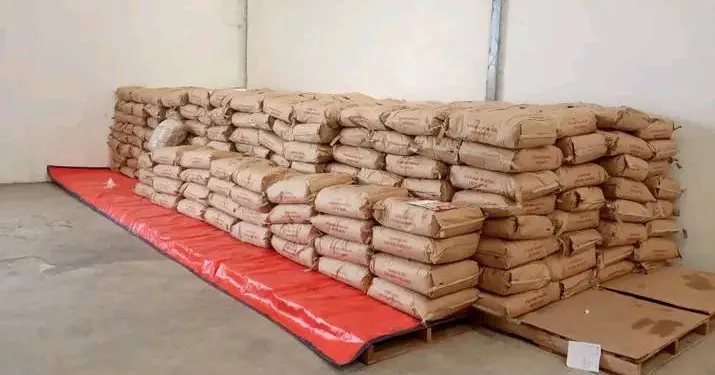
1. Growing Consumer Preference for Natural Ingredients
Consumers are becoming increasingly conscious of ingredient quality and product transparency, pushing food manufacturers to reformulate products around more natural ingredients. As a result, coconut-derived ingredients are gaining wider acceptance across food applications thanks to their simple processing, recognizable origin, and versatility. This trend is especially visible in the bakery, snack, and cereal categories, where clean-label positioning has become an important purchasing factor.
2. Expansion of Functional Food Applications
The application scope of desiccated coconut continues to expand beyond traditional bakery and confectionery products. Manufacturers now incorporate dried coconut ingredients into protein bars, granola, breakfast cereals, and other functional foods that align with evolving consumer preferences. To meet diverse formulation needs, suppliers are offering a wider range of formats, including fine and medium-grade desiccated coconut, shredded coconut, and toasted coconut flakes.
Read more about our products here
3. Growing Demand for Value-Added Coconut Products
Buyers are increasingly seeking value-added coconut ingredients rather than raw agricultural commodities. Products such as organic desiccated coconut, toasted coconut flakes, sweetened coconut flakes, and customized particle sizes are gaining traction as manufacturers look for ingredients that improve convenience, consistency, and product differentiation. This shift is encouraging processors to move up the value chain and invest in product innovation.
Leading Desiccated Coconut Export Markets
Three countries currently shape most of the global desiccated coconut supply: Indonesia, Vietnam, and Thailand.
| Country | Global Position | Key Strength |
| Indonesia | World’s largest coconut producer | Abundant raw material supply and a strong processing sector |
| Vietnam | 5th-largest coconut exporter globally, 4th in Asia-Pacific | Fast-growing export value, 600+ processing enterprises, strong organic certification |
| Thailand | Established global supplier | Advanced processing technology and product innovation |
Vietnam
Vietnam has established itself as one of the world’s leading coconut exporters, ranking 4th in the Asia-Pacific region and 5th globally. According to Voice of Vietnam (VOV), the country has more than 200,000 hectares of coconut plantations, including approximately 181,000 hectares under harvest, producing around 2.28 million tonnes of coconut annually.
In 2024, Vietnam’s total coconut exports reached nearly US$1.1 billion, with fresh coconut exports alone generating more than US$390 million, a 61% increase year-over-year. Vietnamese coconut products are now exported to major markets including China, the United States, the European Union, Canada, Japan, and South Korea.
With global demand shifting toward natural and sustainable ingredients, Vietnam desiccated coconut exports are well-positioned for continued growth, reinforcing the country’s role as a key global supplier of value-added coconut products.
Thailand
Thailand continues to strengthen its position in the global coconut industry through ongoing investment in processing technology and product innovation. According to the Thailand Ministry of Commerce’s Agricultural Export Report 2024, the country’s exports of coconut-based products, including desiccated coconut, continue to benefit from growing demand across food manufacturing and retail sectors worldwide.
Indonesia
Per the Indonesia Coconut Industry Development Report 2024, the country continues to expand its exports of desiccated coconut, shredded coconut, and other value-added coconut products, reinforcing its position as a central player in the global market
Desiccated Coconut Market Outlook (2025–2032)
Demand for organic and sustainably sourced desiccated coconut is expected to be a major growth driver over the next several years. According to Data Bridge Market Research, the global organic desiccated coconut market is projected to grow from USD 300.04 million in 2025 to USD 460.47 million by 2032, registering a compound annual growth rate (CAGR) of 5.5%.
| Organic Desiccated Coconut Market Forecast | Figure |
| Market size, 2025 | $300.04 million |
| Market size, 2032 (projected) | $460.47 million |
| CAGR, 2025–2032 | 5.5% |
Source: Data Bridge Market Research, “Desiccated Organic Coconut Market” report
For buyers, this trajectory suggests desiccated coconut price levels – especially for organic and certified products – are likely to stay firm as demand continues to outpace supply growth in key sourcing regions.
How to find reliable Desiccated Coconut Supplier?
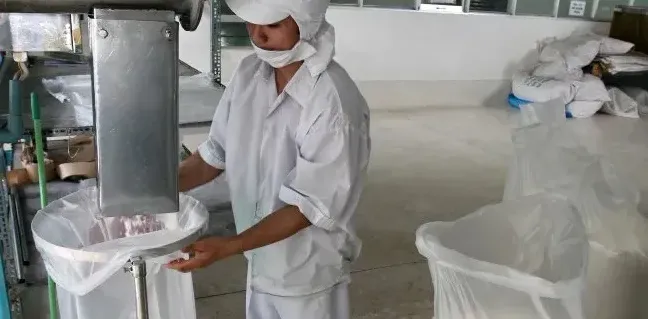
As global demand for desiccated coconut continues to grow, choosing a reliable supplier matters just as much as understanding market trends. Buyers need partners who can guarantee product quality, food safety, and consistent supply, even as the broader market faces cost pressures and compliance complexity.
HAVIGO holds internationally recognized certifications, including FDA Registration, ISO 22000:2018, and BRCGS Food Safety, reflecting its commitment to meeting global quality and food safety standards. Whether you are an importer, distributor, or food manufacturer, HAVIGO aims to be a trusted long-term partner, offering consistent product quality, stable supply, competitive pricing, and professional export support for sustainable business growth.
Frequently Asked Questions
Which countries export the most desiccated coconut?
Indonesia, Vietnam, Thailand, and the Philippines are among the world’s leading desiccated coconut exporters. Indonesia leads in raw production volume as the world’s largest coconut producer, while Vietnam has rapidly grown into the world’s 5th-largest coconut exporter, supported by a large processing industry and expanding international market access.
Why is Vietnam a leading supplier of desiccated coconut?
Vietnam combines large-scale coconut cultivation, more than 600 processing and manufacturing enterprises, and a high share of organic-certified growing areas with strong access to major export markets like China, the United States, the European Union, and Japan. This combination of supply capacity, certification, and market reach has helped the country grow its coconut export value significantly in recent years.
Which regions are key producers of desiccated coconut?
Southeast Asia is the primary global hub for desiccated coconut production, with Indonesia, Vietnam, Thailand, and the Philippines accounting for the bulk of global supply. The region’s tropical climate, established coconut plantations, and growing processing infrastructure make it the center of the global desiccated coconut trade.
WHERE TO BUY DESICCATED COCONUTS IN BULK QUANTITY?
Desiccated coconut price in 2026 should be evaluated alongside product specifications, packaging, shipment terms, and supplier reliability.
Vietnam remains a key sourcing origin for desiccated coconut, but buyers should consider quality requirements, freight costs, and market conditions before placing orders.
HAVIGO supports importers with specifications, quotations, samples, and export documentation for global markets, sample arrangement, and export document coordination. Contact HAVIGO to request the latest desiccated coconut price quotation for your destination market.