
At first glance, the coconut seems like a simple tropical staple. It’s the star of your favorite curry, the scent of your sunscreen, and the ultimate symbol of a beach vacation. But ask a group of people, “Is a coconut a fruit, a nut, or a seed?” and you’ll likely spark a heated debate.
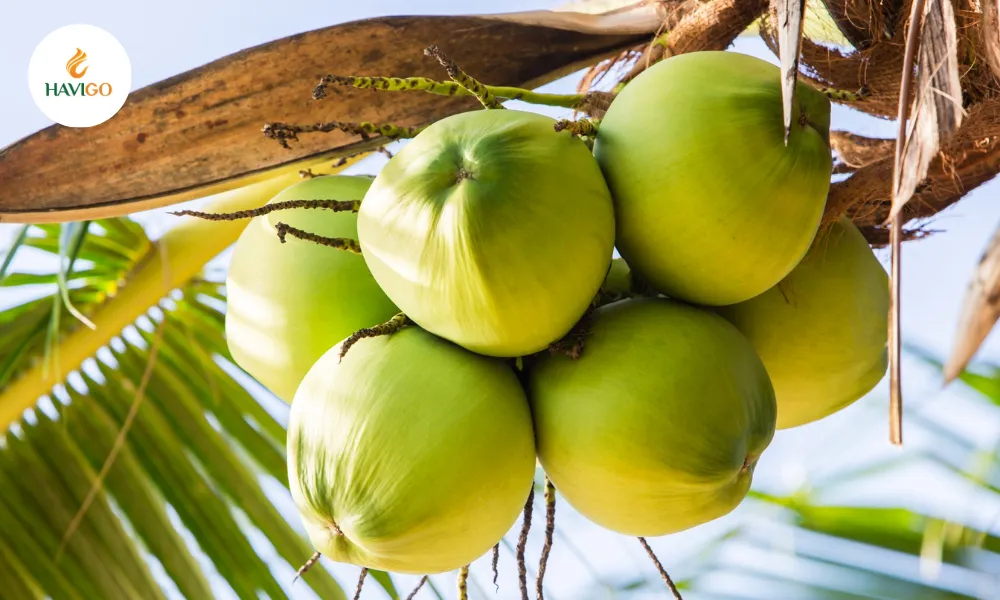
Addressing these myths is important because the way we classify our food affects everything from allergy warnings to how we cook. In this post, we’ll debunk the top 3 myths surrounding this tropical icon and provide the credible, well-researched insights you need. We will finally answer the age-old question: is a coconut a fruit, a nut, or a seed? (Spoiler: It’s more interesting than you think!)
Table of Contents
The Truth About the “Tree of Life”
The coconut palm (Cocos nucifera) is often called the “Tree of Life” because every single part of it – from the roots to the leaves – serves a human purpose. However, the myths about its fruit have emerged primarily because the coconut doesn’t “behave” like the apples or acorns we are used to.
Most misconceptions stem from the gap between culinary language (how we talk in the kitchen) and botanical science (how plants actually grow). Because it has a hard shell and an edible kernel, we’ve spent centuries calling it a “nut,” but nature has a much more interesting classification in mind.
👉 Read more: The Golden Era of Vietnam’s Coconuts Export Market
Top Myths About Coconuts, Debunked:
Myth #1: The Coconut is a “True Nut”
The Truth: Despite having “nut” in its name, a coconut is botanically classified as a drupe.
In botany, a drupe is a fruit with a fleshy or fibrous outer part surrounding a hard shell (the pit) which contains a seed. Think of peaches, cherries, or olives. The coconut follows this exact blueprint, just on a much tougher scale:
- Exocarp: The smooth green outer skin.
- Mesocarp: The thick, fibrous husk.
- Endocarp: The hard, woody shell (this is the part you see at the grocery store).
True nuts, like acorns or hazelnuts, do not have these distinct layers and do not split open to release seeds.
Myth #2: It Can’t Be a Seed if It’s a Fruit
The Truth: The coconut is a rare “double threat”—it is a fruit that functions as a seed.
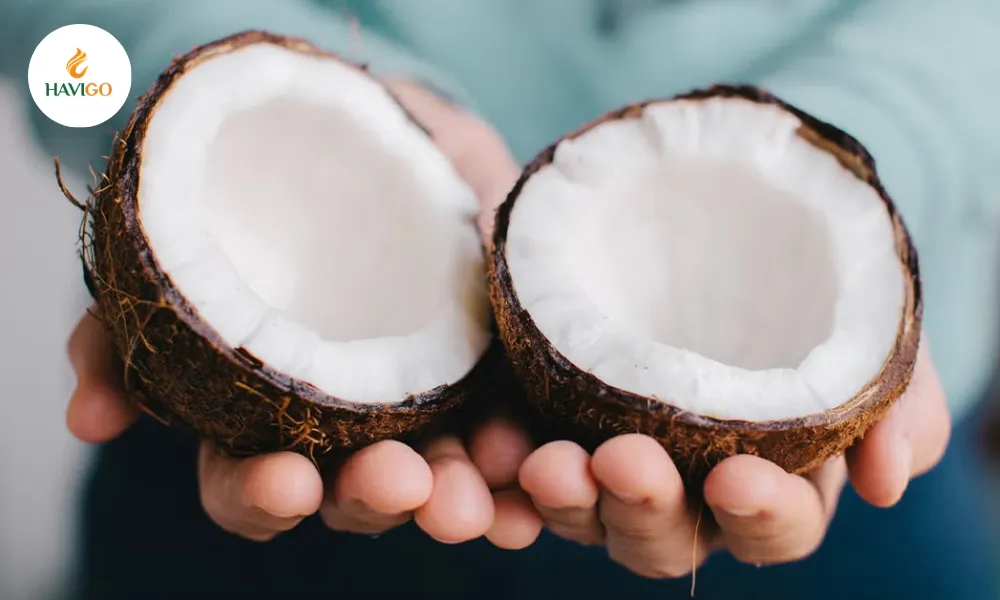
Usually, we think of seeds as small things inside a fruit (like apple pips). However, the entire inner part of the coconut is the seed. It contains its own built-in life-support system:
- Coconut Water: Liquid hydration for the young plant.
- Coconut Meat: Nutrient-rich energy to fuel growth.
- Germination pores: The “eyes” of the coconut where the sprout eventually emerges.
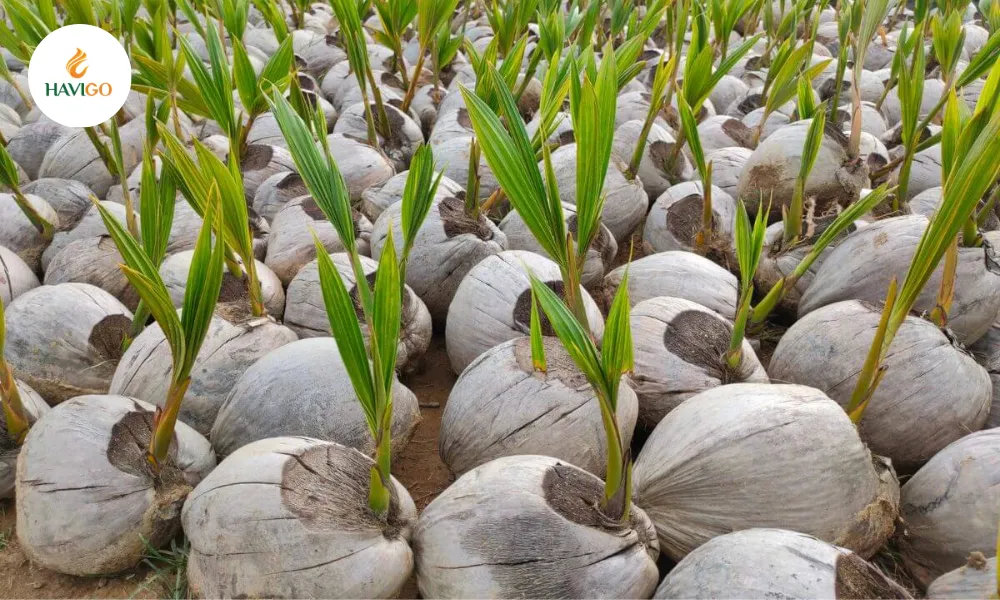
Myth #3: Coconuts Can Only Grow if Planted in Soil
The Truth: This is a common medical misconception. While the FDA classifies them as tree nuts for labeling purposes, most people with nut allergies can safely eat coconut. Knowing is a coconut a fruit is vital for allergen awareness. Since it is a fruit (drupe) and not a true nut, it lacks many of the proteins that trigger traditional nut allergies.
Why These Myths Persist
Most of these misconceptions stem from outdated information and commercial trade. Because the coconut is dry and hard when it reaches supermarket shelves, it looks nothing like a “fruit” such as an apple or a pear. This visual mismatch makes people doubt that is a coconut a fruit. Furthermore, international shipping standards often categorize them with nuts for convenience, further blurring the lines for consumers.
👉 Read more: Vietnam Coconut Market Update 2026: Prices, Supply & Trends
How to Avoid Falling for Botanical Misconceptions
Identifying the truth in a world of conflicting information can be tricky. Here is how to verify your food facts:
- Check the Anatomy: Does it have an outer skin, a middle layer, and a hard “pit” (endocarp)? If so, it’s a drupe.
- Look Beyond the Name: Just because a “peanut” has “nut” in the name doesn’t mean it is one (it’s a legume!). The same logic applies when wondering is a coconut a fruit.
Conclusion
So, is a coconut a fruit, a nut, or a seed? The most accurate answer is: It is a fibrous, one-seeded drupe (fruit) that doubles as a self-contained seed.
This rare combination is what allowed the coconut to conquer tropical coastlines worldwide. By debunking these myths, we move past the confusion and begin to appreciate the coconut for what it truly is: a brilliant example of biological engineering.
Did this change the way you look at your morning coconut water? Share this post with someone who still thinks coconuts are just “big nuts”!
Stay Connected with Havigo: Your Source for High-Quality Coconut
Havigo Company Limited is your reliable agricultural export partner in Vietnam. We specialize in supplying and delivering high-quality Vietnamese agricultural products, including spices, rice, beans, and fruits, to the global market.
We aim to build long-lasting partnerships by guaranteeing the following core elements:
- Superior Quality Assurance: We are confident in our ability to consistently deliver products that meet the highest international quality standards required by the global market.
- The Best Competitive Pricing: We provide high-quality goods at the most competitive prices in the market, helping to optimize the profitability of your import operations.
- Prompt & Dedicated Support: Our team is committed to offering fast, enthusiastic, and professional customer support throughout our entire partnership journey.
If you are interested in importing coconut from Vietnam, please contact us immediately for the best support!
Contact Us Today:
To receive a quotation and detailed assistance, please reach out directly via WhatsApp: +84 979 58 58 56 or LinkedIn: HAVIGO COMPANY LIMITED. We look forward to partnering with you!