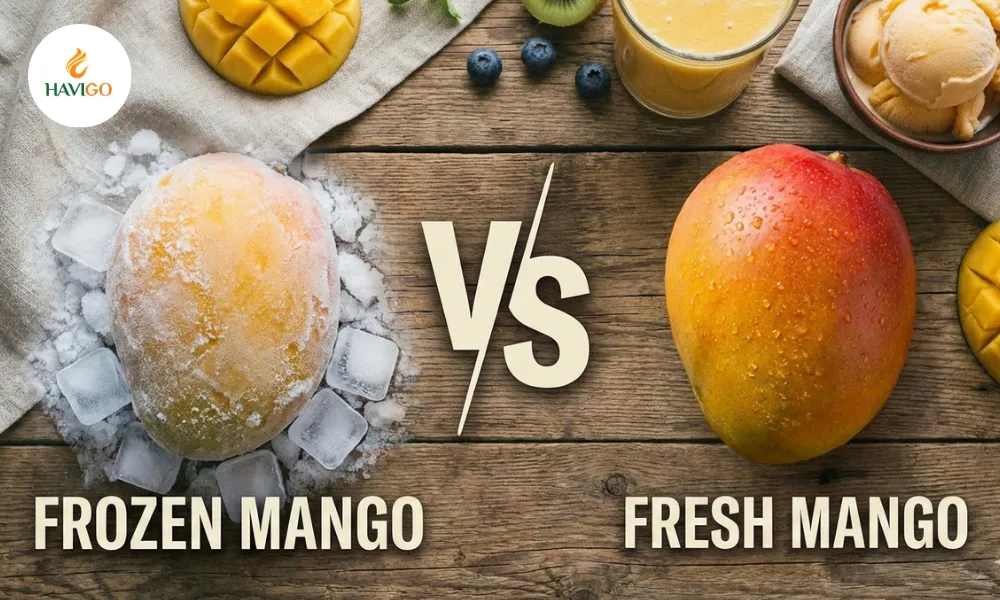
Frozen mango vs fresh is one of the most important comparisons global fruit importers face today. While fresh mango has long been associated with premium quality and natural appeal, frozen mango is increasingly becoming a strategic alternative for importers seeking cost efficiency, supply stability, and lower risk.
At first glance, fresh mango may appear more attractive to end consumers. However, when evaluated through the lens of international trade—including shelf life, logistics, waste reduction, and overall return—frozen mango vs fresh mango becomes a question of long-term profitability rather than appearance alone.
This article breaks down the key differences between frozen mango and fresh mango, helping importers make informed sourcing decisions based on cost, risk, and market demand.
Table of Contents
1. Understanding Fresh Mango in Global Trade
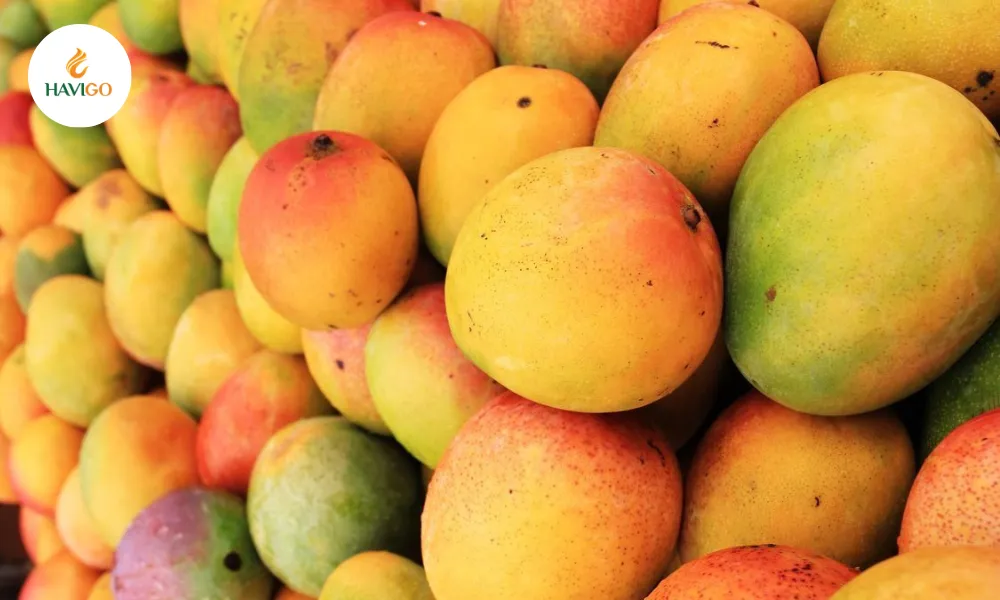
Fresh mango plays a major role in international fruit markets, especially in retail and wholesale channels. However, importing fresh mango comes with several structural limitations.
Key characteristics of fresh mango imports:
- Short shelf life: Typically 7–14 days under controlled conditions
- High spoilage risk: Sensitive to temperature fluctuations and delays
- Seasonal supply: Availability depends heavily on harvest cycles
- Strict quality standards: Higher rejection rates due to cosmetic defects
Common challenges for importers:
- Losses during long-distance transportation
- Price volatility during peak and off seasons
- Increased inspection and rejection risk at destination ports
In the frozen mango vs fresh comparison, these factors often reduce overall margins for fresh mango imports, especially for distant markets.
2. Understanding Frozen Mango for Import Markets
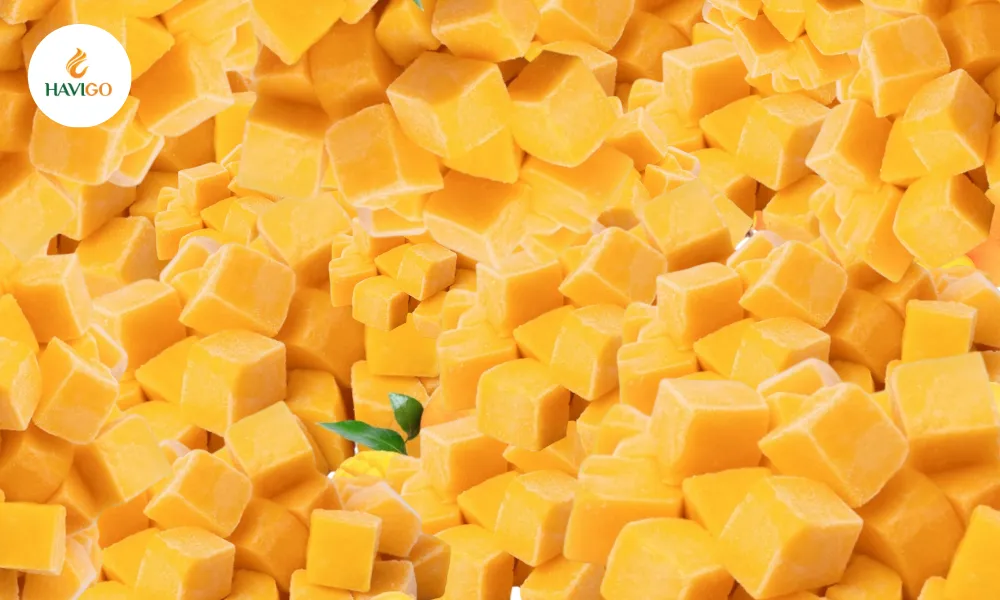
Frozen mango, particularly IQF (Individually Quick Frozen) mango, has become a preferred choice for many importers supplying food processing, foodservice, and retail-ready frozen products.
Key characteristics of frozen mango:
- Extended shelf life: Up to 24 months under proper storage
- Stable quality: Color, texture, and flavor preserved via IQF technology
- Year-round availability: Independent of harvest seasons
- Lower waste rate: Minimal spoilage during transport and storage
Why frozen mango is gaining traction:
- Predictable supply planning
- Easier inventory management
- Consistent product specifications
When comparing frozen mango vs fresh, frozen mango offers structural advantages that align well with global distribution and long-term contracts.

3. Cost and Profit Comparison: Frozen Mango vs Fresh
Cost structure is where the difference between frozen mango vs fresh becomes most apparent.
Cost comparison overview:
| Factor | Fresh Mango | Frozen Mango |
|---|---|---|
| Product cost | Lower upfront | Slightly higher |
| Spoilage & waste | High | Very low |
| Storage cost | Medium | Low (long-term) |
| Transportation risk | High | Low |
| Price stability | Seasonal | Stable |
Profitability impact:
- Fresh mango often incurs hidden costs due to spoilage and rejected shipments
- Frozen mango delivers more predictable margins with fewer losses
For importers focused on cost control and margin protection, frozen mango vs fresh frequently favors frozen mango in total landed cost.
4. Shelf Life, Risk, and Logistics Comparison
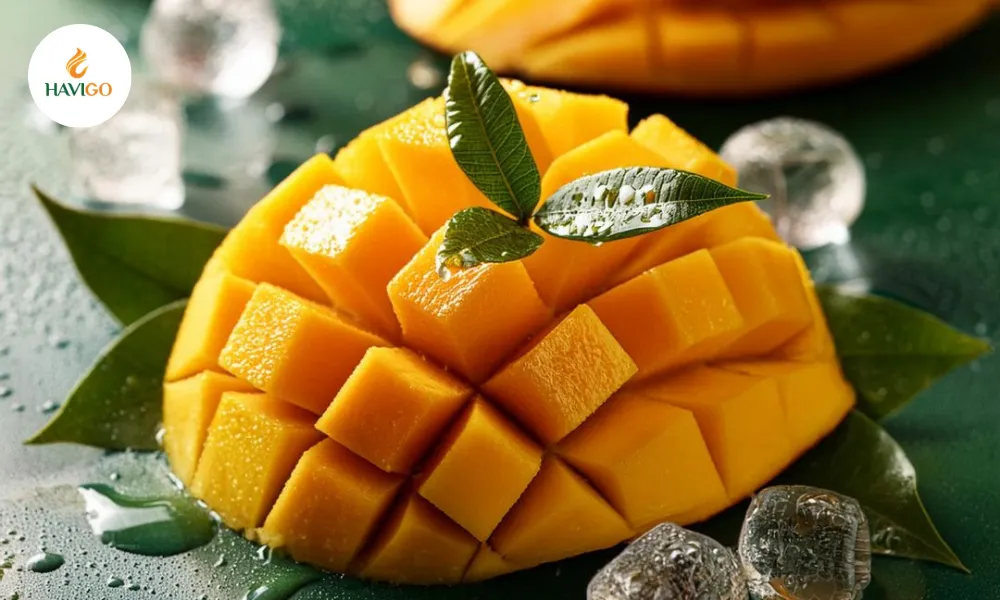
Logistics efficiency is critical when evaluating frozen mango vs fresh for international trade.
Shelf life and risk comparison:
- Fresh mango:
- Highly sensitive to transit delays
- Requires precise temperature control
- Higher insurance and contingency costs
- Frozen mango:
- Stable under frozen conditions
- Less affected by shipping delays
- Lower risk of quality degradation
Logistics takeaway: Frozen mango significantly reduces operational risk, making it more suitable for long-distance and high-volume imports.
5. Market Demand and End-Use Applications
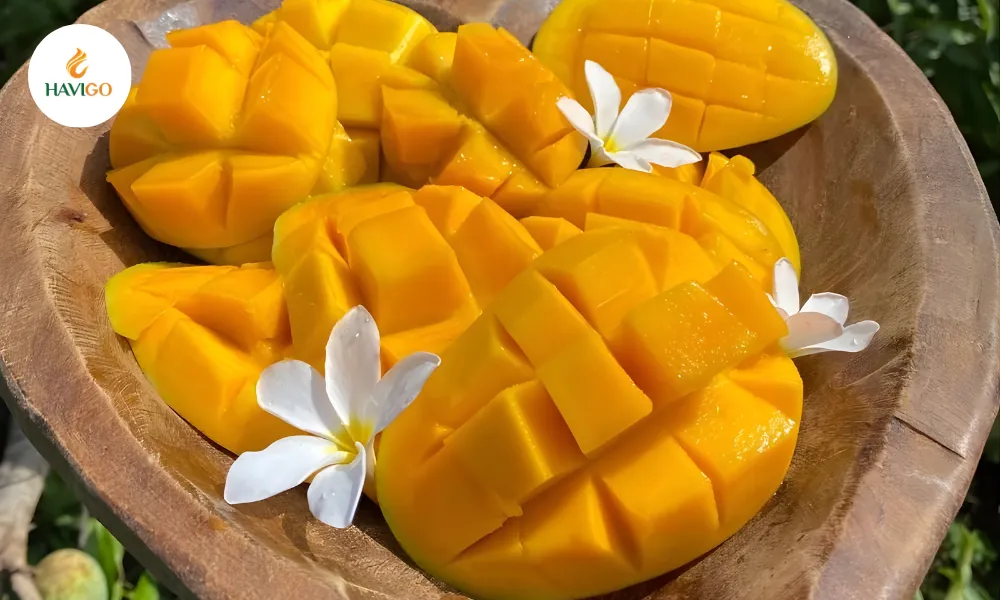
Understanding end-use demand helps clarify why frozen mango vs fresh serves different market segments.
Typical applications:
- Fresh mango:
- Retail fruit markets
- Short-term promotional sales
- Premium fruit displays
- Frozen mango:
- Smoothies and beverages
- Desserts and bakery
- Yogurt, ice cream, and food processing
Frozen mango aligns strongly with B2B buyers seeking standardized inputs, while fresh mango caters more to immediate consumer appeal.
Read more >>> Mango applications
6. Which Is More Profitable for Importers?
When evaluating frozen mango vs fresh, profitability should be assessed across multiple operational and commercial factors—not just purchase price. The table below highlights how each option performs from an importer’s perspective.
| Evaluation Factor | Frozen Mango | Fresh Mango |
|---|---|---|
| Import distance suitability | Highly suitable for long-distance and intercontinental markets due to stable frozen conditions | Best suited for short-distance or regional markets with fast transit |
| Shelf life & inventory planning | Long shelf life (up to 24 months) enables bulk buying and long-term inventory planning | Short shelf life limits stock volume and increases urgency to sell |
| Waste & loss rate | Very low waste due to controlled freezing and stable quality | Higher loss rate from spoilage, bruising, and overripening |
| Margin stability | Predictable margins with fewer unexpected costs | Margins fluctuate due to spoilage, rejections, and seasonal price swings |
| Logistics & handling risk | Lower risk during shipping; less sensitive to delays | High sensitivity to delays, temperature variation, and handling errors |
| Target customer segments | Foodservice, food processing, manufacturers, frozen retail | Fresh retail, wholesale markets, short-term promotions |
| Seasonal dependency | Available year-round, independent of harvest seasons | Strongly dependent on harvest cycles and weather conditions |
| Scalability for importers | Easy to scale volumes and expand to new markets | Scaling increases risk and operational complexity |
| Overall profitability outlook | More cost-effective and reliable for long-term import strategies | Potentially profitable short-term, but higher overall risk |
Key Takeaway for Importers
- Frozen mango is generally more profitable for importers who prioritize:
- Long-distance shipping
- Stable margins
- Lower operational risk
- Scalable, year-round supply
- Fresh mango may still be viable for importers who:
- Operate in nearby markets
- Focus on rapid retail turnover
- Accept higher risk for short-term opportunities
In the broader frozen mango vs fresh comparison, frozen mango consistently offers a more dependable profit structure for most global import operations.
>>> Compare Frozen Mango & Fresh Mango products to choose the best option for your import strategy
7. FAQs
1. Why is Vietnamese mango preferred by global importers?
Because it offers natural sweetness, diverse export-ready varieties, competitive pricing, and strong compliance with international standards.
2. Which Vietnamese mango varieties are most suitable for export?
Cat Chu, Hoa Loc, Keo, Pink mango, Elephant mango, Four Quarters, and R2E2 are the most commonly exported varieties.
3. What certifications are required for exporting Vietnamese mango?
GlobalG.A.P certification, orchard traceability, and market-specific phytosanitary treatment are mandatory.
4. How long can Vietnamese mango stay fresh during international transport?
With proper cold-chain management, shelf life ranges from 28 to 32 days.
5. Which markets import Vietnamese mango the most?
Major markets include the U.S., Japan, South Korea, the EU, Australia, China, and the Middle East.
Conclusion
The comparison of frozen mango vs fresh goes far beyond taste or appearance. For importers, the real decision lies in cost efficiency, supply stability, logistics risk, and long-term profitability.
While fresh mango continues to hold value in certain retail contexts, frozen mango offers a strategic advantage for importers seeking consistency, lower losses, and dependable returns. Understanding these trade-offs allows buyers to align sourcing strategies with market demand and operational goals.
Stay Connected with Havigo: Your Source for High-Quality Mango
Havigo Company Limited is your reliable agricultural export partner in Vietnam. We specialize in supplying and delivering high-quality Vietnamese agricultural products, including spices, rice, beans, and fruits, to the global market.
We aim to build long-lasting partnerships by guaranteeing the following core elements:
- Superior Quality Assurance: We are confident in our ability to consistently deliver products that meet the highest international quality standards required by the global market.
- The Best Competitive Pricing: We provide high-quality goods at the most competitive prices in the market, helping to optimize the profitability of your import operations.
- Prompt & Dedicated Support: Our team is committed to offering fast, enthusiastic, and professional customer support throughout our entire partnership journey.
If you are interested in importing mango from Vietnam, please contact us immediately for the best support!
Contact Us Today:
To receive a quotation and detailed assistance, please reach out directly via WhatsApp: +84 979 58 58 56 or LinkedIn: HAVIGO COMPANY LIMITED. We look forward to partnering with you!