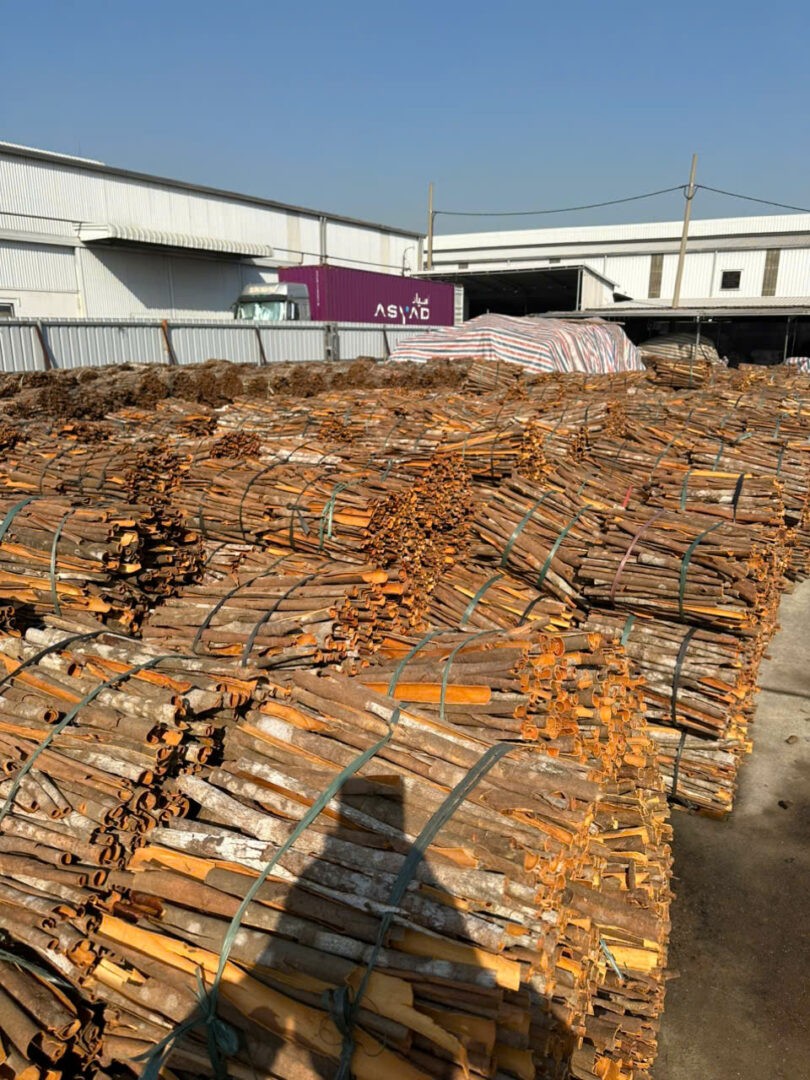
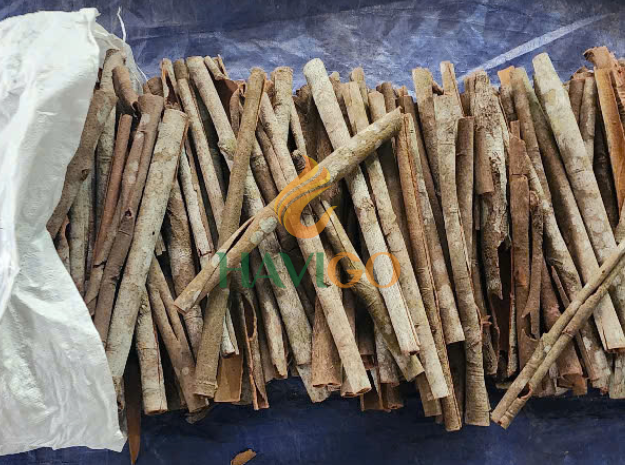
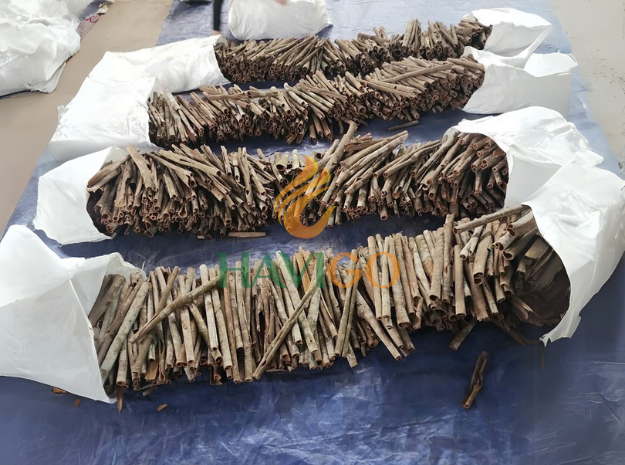
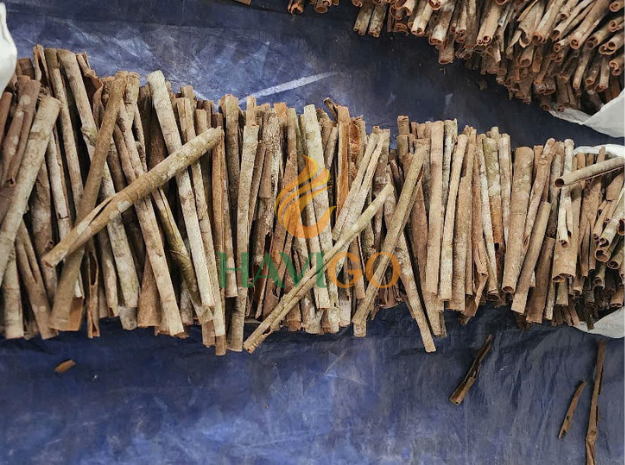
At HAVIGO, we don’t write about cassia cinnamon as a “nice spice.” We write it the way importers actually buy it: spec-first, risk-aware, and documentation-ready. This guide is built from what we see in real shipments—where deals fail not because cinnamon is “not good,” but because the buyer and supplier miss one line in the spec (moisture, cut length, sterilization, or compliance paperwork).
1) Vietnam cassia cinnamon export snapshot (2023–2025)
Vietnam is consistently one of the world’s key cinnamon exporters. In 2023, Vietnam exported nearly 90,000 tonnes of cinnamon with export turnover of over USD 260 million.
For 2024, industry statistics reported 99,874 tons with export value around USD 274.5 million (YoY +11.7% volume, +5.2% value).
For 2025, the Vietnam Pepper and Spice Association (VPSA) figures cited by industry reporting indicate a record year at approximately 120,295 tons and USD 300.2 million export value.
(And for reference, VietnamNet reported 99,463 tons / ~USD 250 million by end of Oct 2025—showing how strong Q4 demand typically is.)
Where Vietnam cassia goes (why this matters for your spec)
Official reporting has noted Vietnam’s cinnamon is exported to nearly 100 countries and cites market share figures (often discussed as “unprocessed cinnamon” share in major markets).
Practical takeaway (from our experience): the destination market changes your “must-have” items (e.g., coumarin attention, heavy metals screening for powder, micro limits, and packaging barrier).
2) Why Yen Bai is the “workhorse origin” buyers ask for
Many buyers specifically request Yen Bai because it is one of Vietnam’s most established cinnamon regions—especially Van Yen district, where forestry land is frequently reported around 75% of the district area.
Real-world note we’ve learned the hard way:
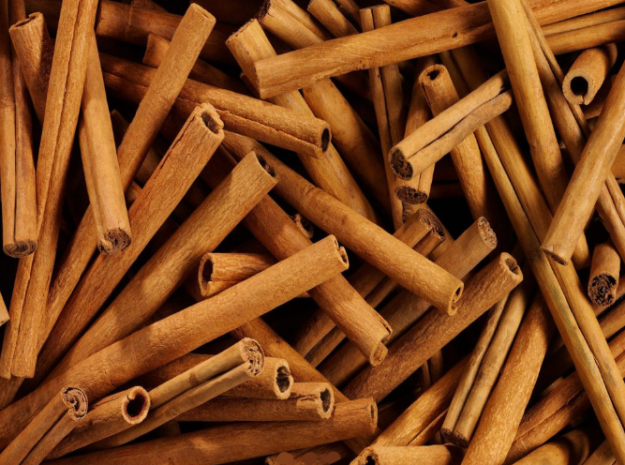
If you only write “Yen Bai cassia” on the PO without defining product form + cut + grade, you’ll get confusion fast—because Yen Bai can supply multiple forms (tube/split/stick/cigarette/broken/powder), and each behaves differently in shipping and processing.
3) How high-quality Yen Bai cassia is processed (what can go wrong)
We’ll keep the process simple, but we’ll highlight the buyer-risk points—because that’s where shipments fail.
Harvest timing (what we see in the field)
In Vietnam, cassia harvest is typically organized around two main seasons, often described as spring (around Mar–May) and late summer (around Aug–Oct/Dec) depending on the region and weather.
The 6 steps — plus our practical “don’t mess this up” notes
Step 1 — Harvesting
Cinnamon can be peeled from relatively young trees, but yield/quality improves as trees mature. VietnamPlus notes cinnamon can be peeled starting at around 5 years (older trees tend to bring higher profit).
Our tip: buyers who want “strong bark + stable shape” should state minimum bark thickness and cut type, not just “old trees.” Otherwise, you’ll get mixed lots.
Step 2 — Peeling / Primary processing (labor-heavy step)
Cinnamon processing is widely described as labor-intensive; practical processing references estimate processing can account for ~60% of production cost because peeling is manual and skill-dependent.
Buyer mistake we see: people assume “handmade = consistent.” In reality, manual work means you must define allowed defects (%) and size tolerance.
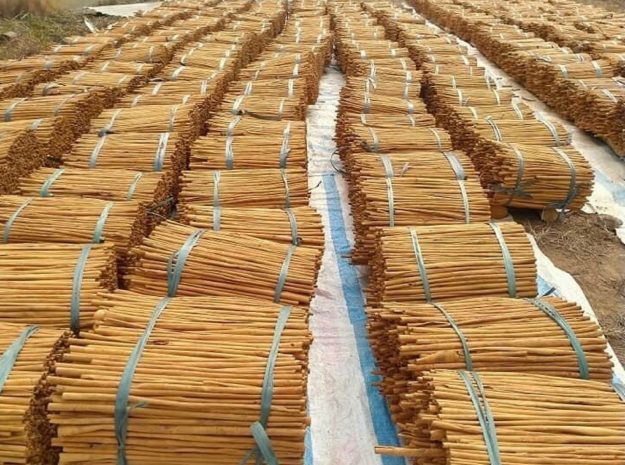
Step 3 — Drying
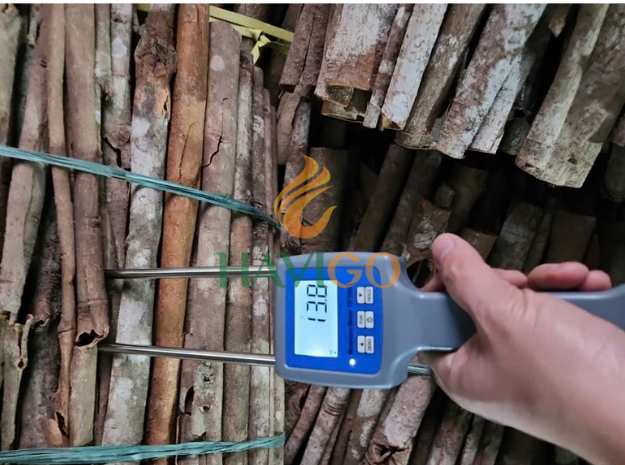
If drying is too fast, bark can warp/crack; if too slow or too humid, risk of mold increases.
Our field rule: if your destination is humid (e.g., some SEA/Africa ports), ask for moisture target + packing barrier in writing—don’t leave it to “standard export packing.”
Step 4 — Grading
In practice, grading is based on appearance, thickness, and buyer-required parameters (and sometimes oil perception by aroma).
Our tip: never approve grade from photos only. Ask for a pre-shipment sample plus a COA (even a basic one) before you finalize the contract.
Step 5 — Cutting & Grinding
Cut lengths are not cosmetic—length affects breakage rate and uniformity in food production lines.
Common mismatch we see: buyer wants “stick cinnamon,” supplier sends “split cut” because both look similar in quick photos. Solve this by specifying form + length range + thickness range.
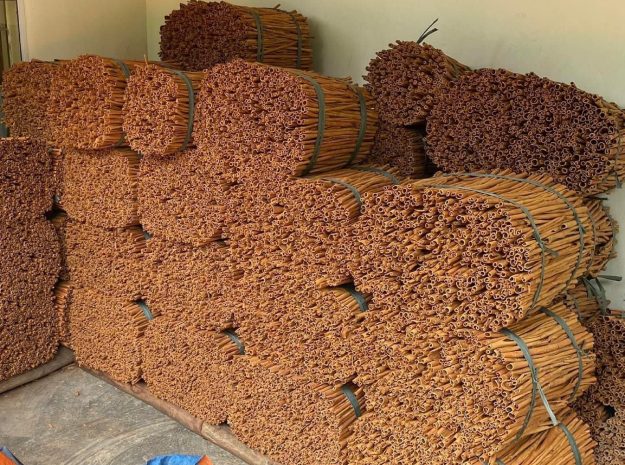
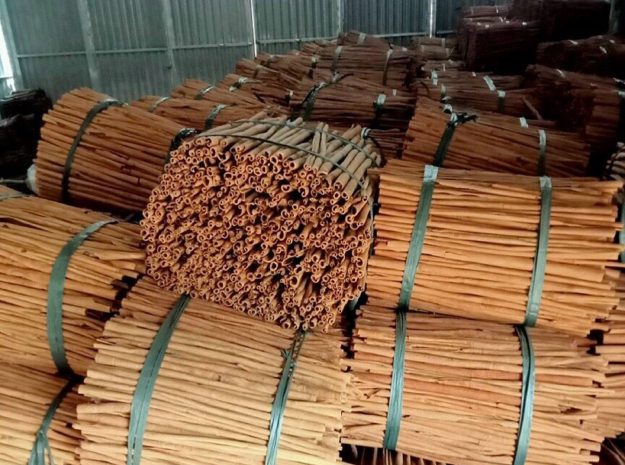
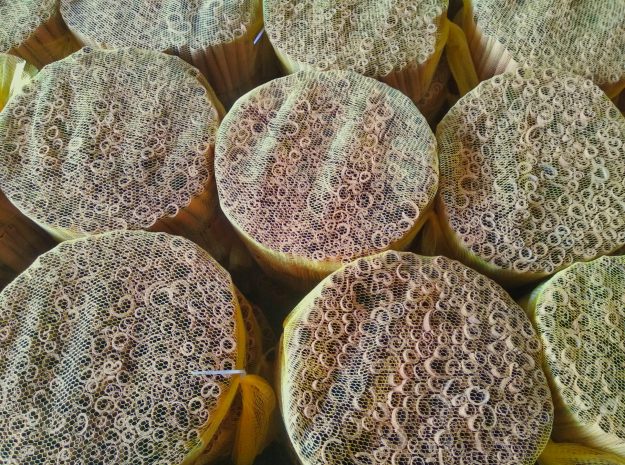
Step 6 — Packing
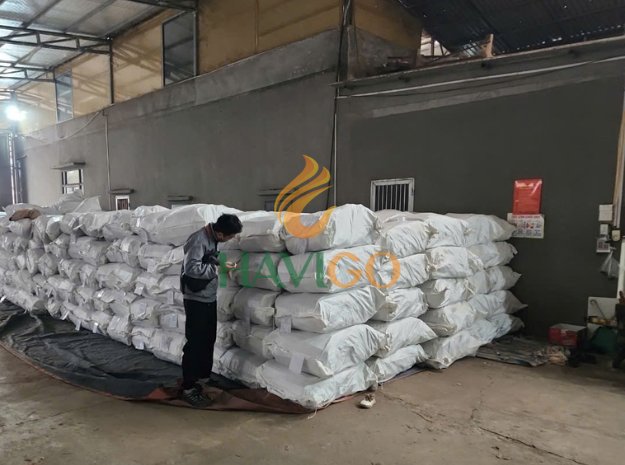
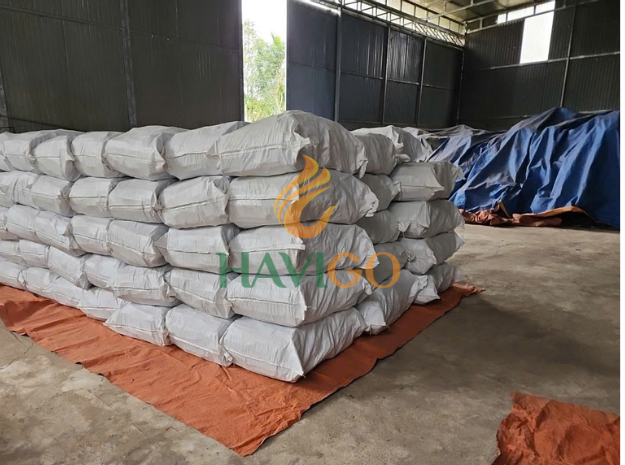
Packing is where many “good lots” become “bad arrivals.”
Our practical packing note: if you ship in cartons, specify inner liner type (moisture barrier) and carton strength; if you ship bags, specify bag type + sealing method. This reduces breakage and moisture pickup in long transit.
4) Cassia cinnamon types we supply (with measurable specs)
Below are the most common B2B forms buyers request from HAVIGO. These are spec templates—we finalize exact numbers on the official offer sheet/contract.
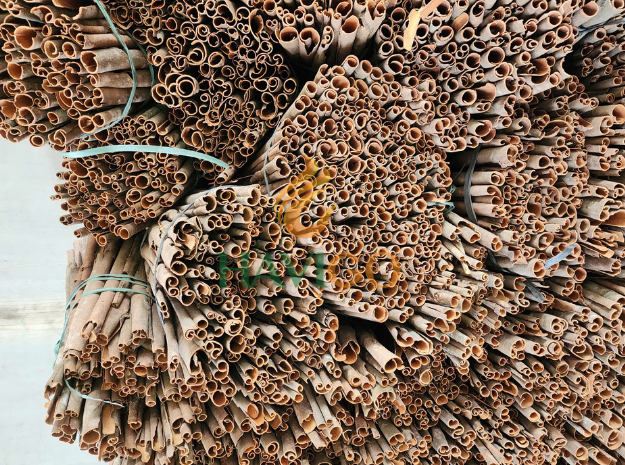
Whole Tube Cassia (Premium)
Length: 25–45 cm
Thickness: commonly ≥ 4.0 mm
Best fit: extraction, grinding lines, private-label repacking
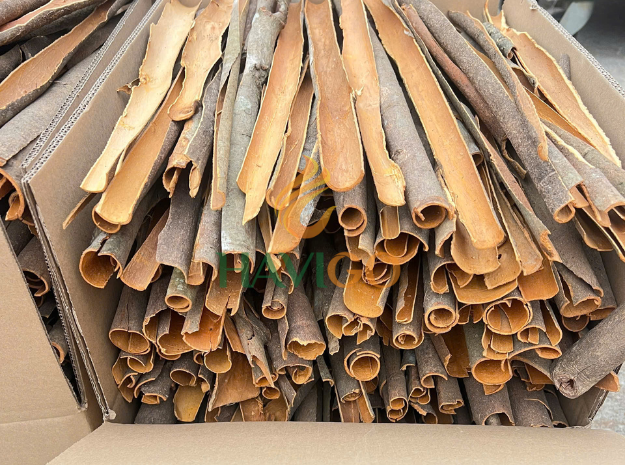
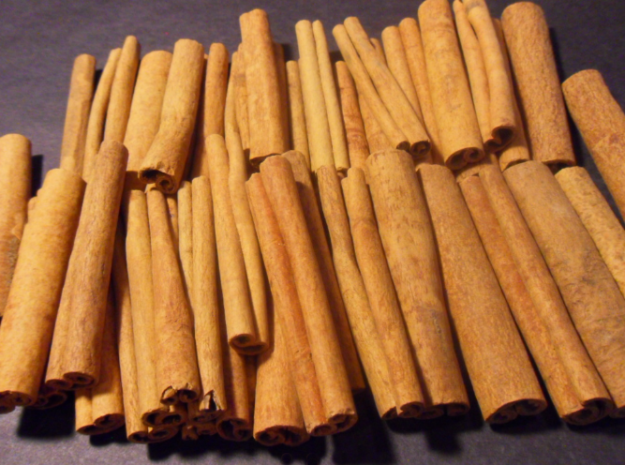
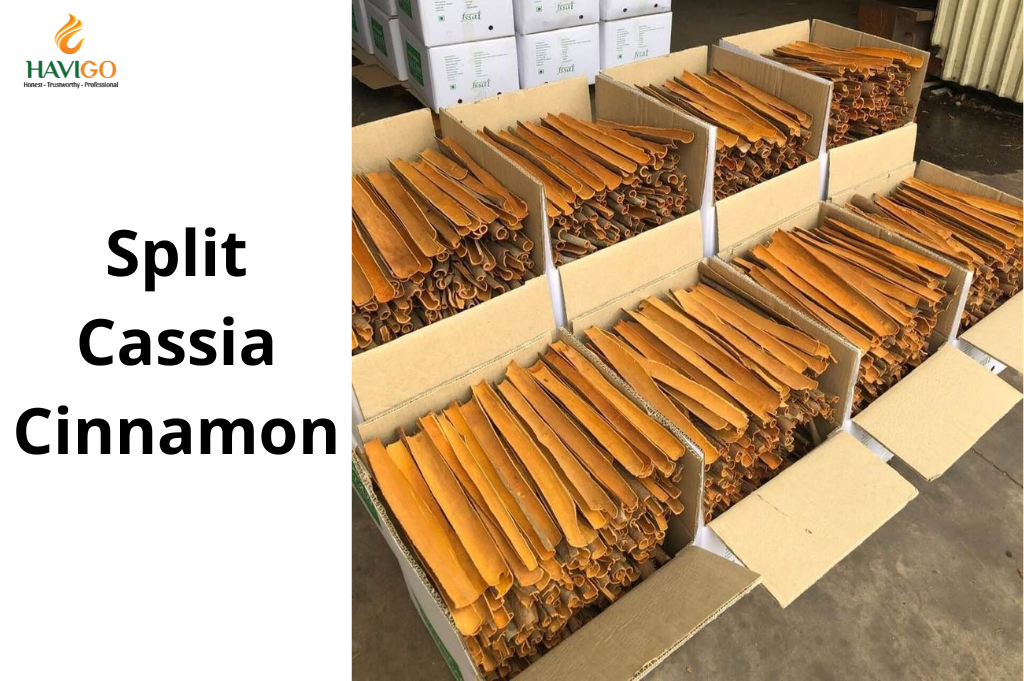
Split Cassia (Balanced for cooking & industrial users)
Length: 25–45 cm
Thickness: commonly 0.6–1.8 mm
Best fit: faster infusion, foodservice, spice blenders
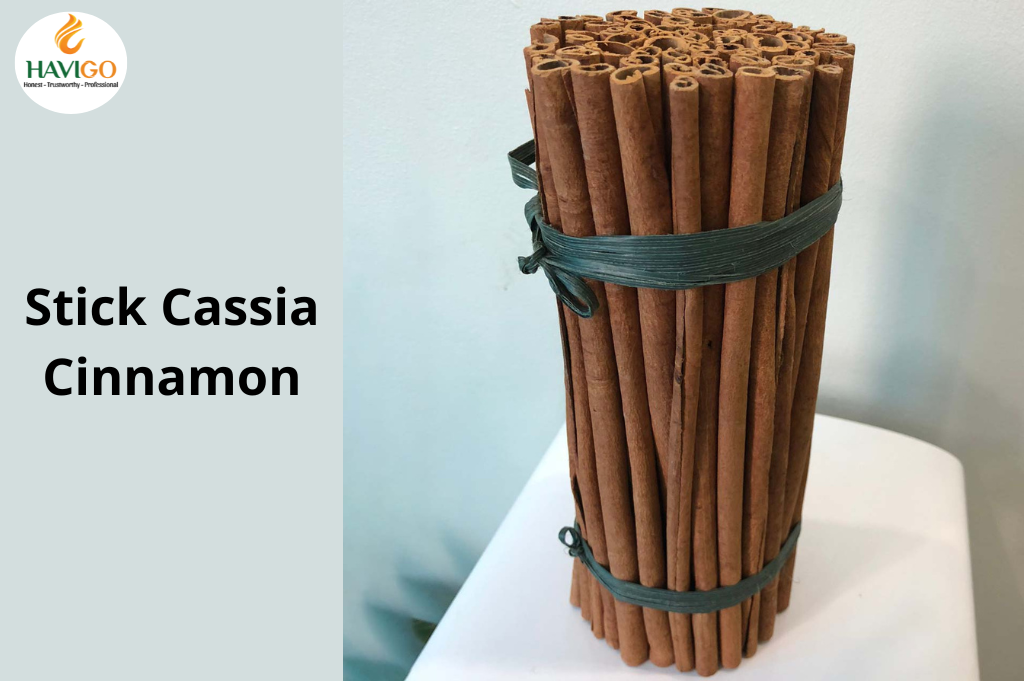
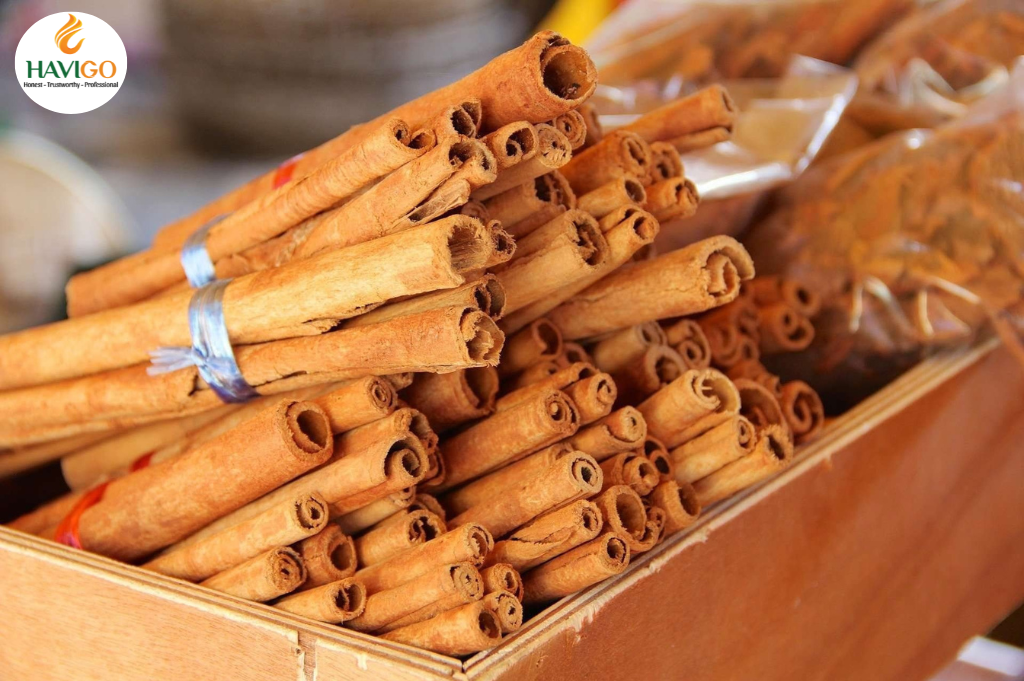
Stick Cassia (Roll form)
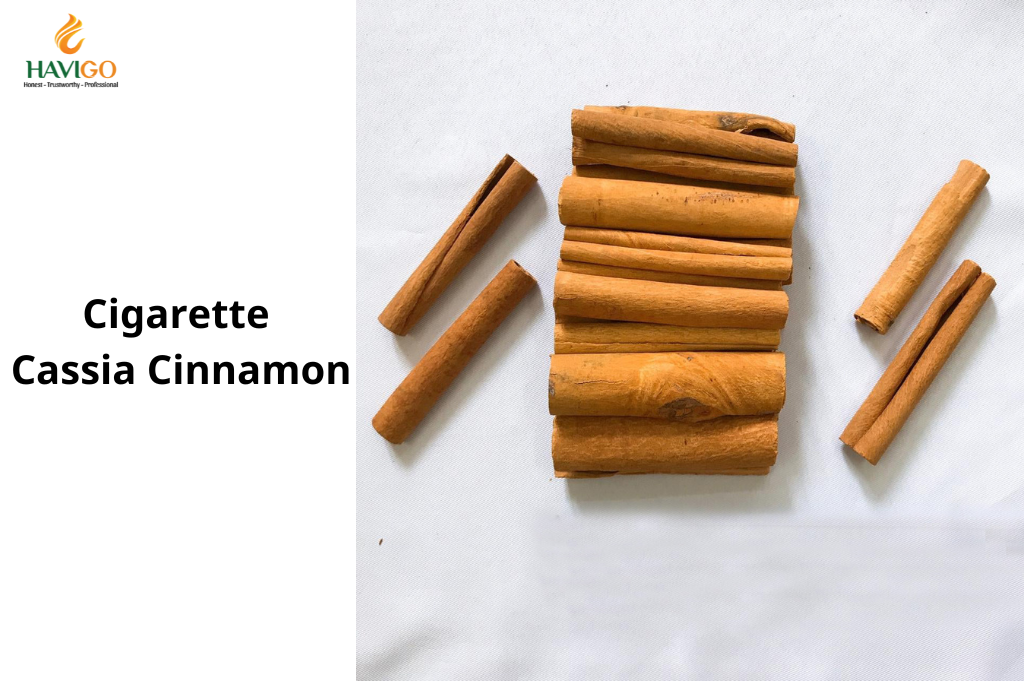
Cigarette Cassia (Short rolls)
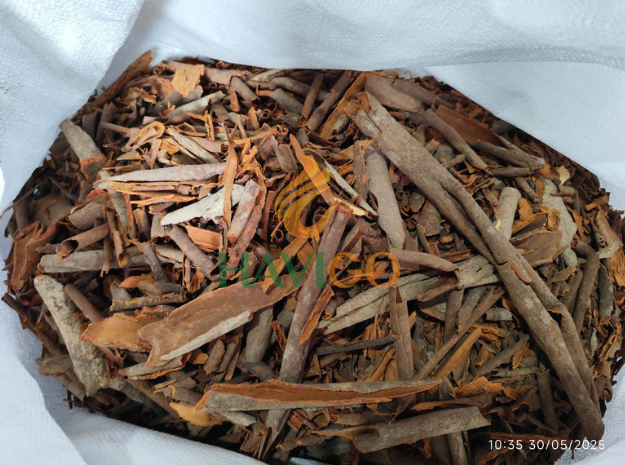
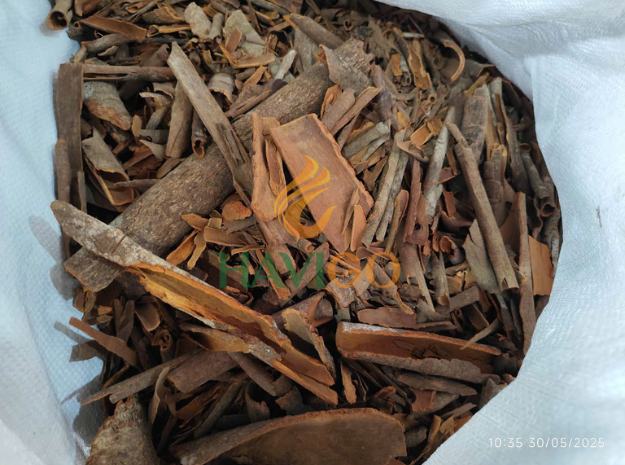
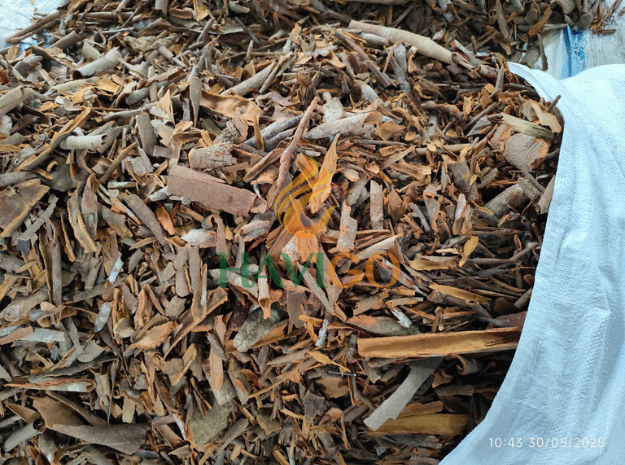
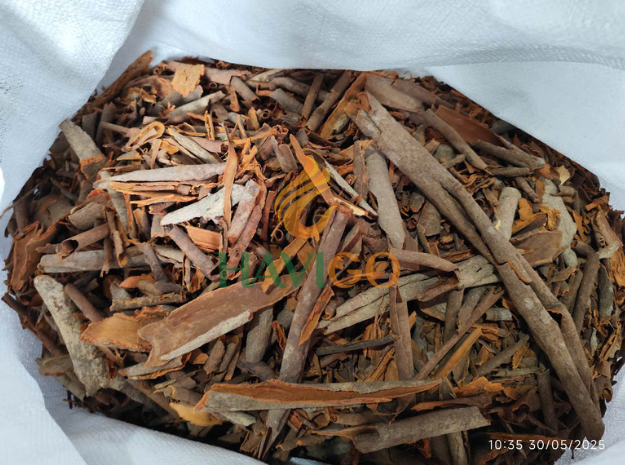
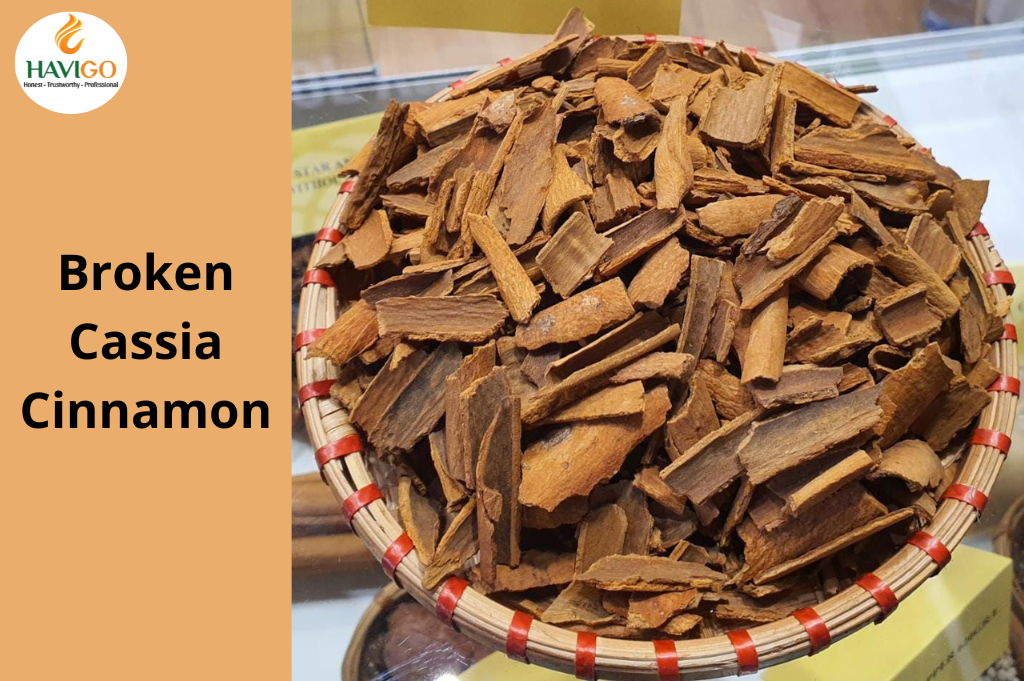
Broken Cassia (Cost-efficient for grinding)
Cassia Powder
Powder is convenient, but it’s also the form most exposed to food safety + contamination risks (see section 6). If you import powder, always require heavy metals + micro testing and a traceable batch system.
5) What makes Vietnam cassia “different” (measurable buyer language)
Instead of “strong aroma” or “best quality,” we recommend you write specs the way QA teams approve them:
Form: tube / split / stick / cigarette / broken / powder
Cut length range (cm) + thickness range (mm)
Defects: max broken %, max foreign matter %
Food safety: micro limits + heavy metals screening (especially for powder)
Packing: inner liner + net weight per carton/bag
Documents: CO, Phyto (if applicable), fumigation/sterilization statement
This is the difference between a smooth import and a “we need a discount” argument at destination.
6) Health & safety: what’s supported by evidence (and what we won’t overclaim)
Cinnamon & blood sugar: evidence exists, but results vary
Some meta-analyses and reviews report cinnamon supplementation may reduce fasting blood glucose in certain populations, but study designs and results vary.
Our stance (trust-first): we do not market cassia as a “treatment.” Buyers should treat health effects as research context, not a product claim on label without regulatory review.
Coumarin risk (important for cassia)
Authorities in Europe and the UK reference a tolerable daily intake (TDI) of 0.1 mg coumarin/kg body weight/day; cassia is known to have higher coumarin than “true cinnamon.”
Practical buyer implication: if your product is targeted for high-frequency consumption (kids products, supplements, concentrated cinnamon foods), you should discuss variety choice + compliance strategy with your regulatory team.
Food safety risks importers now watch closely (2024–2025 reality)
Heavy metals (lead) in ground cinnamon has been a major regulatory/public concern, with FDA issuing public health alerts and recommending recalls for products with elevated lead levels.
For spices broadly, FDA risk profiling has identified Salmonella as a common pathogen associated with illness outbreaks linked to contaminated spices.
What we do in practice: for powder buyers, we always recommend defining micro limits + treatment (sterilization/validated process) and requiring a COA per batch.
7) “Buyer mistakes” we see repeatedly (and how to avoid them)
Approving grade from photos → Ask for pre-shipment sample + COA.
Not defining cut length tolerance → Results in repacking waste and claims.
Ignoring destination compliance (coumarin/heavy metals/micro) → Risk of hold/rejection.
No packing barrier requirement → Moisture pickup and mold risk at destination.
Missing document checklist → Delays at customs even when product is fine.
8) HAVIGO supply plan (how we run orders in the real world)
When a buyer confirms cassia with HAVIGO, we typically structure the order like this:
Lead time: ~21 days after signed sales contract (depending on product form + season + testing requirements)
MOQ: can start from 1 MT for trial orders (depends on form and packing)
Incoterms: FOB / CFR / CIF options
Documentation package (typical export set): Commercial Invoice, Packing List, B/L, Certificate of Origin; plus any market-required certificates and batch documents as agreed.
Disclaimer
Health information in this article is for general education only and is not medical advice. Do not use cassia cinnamon as a substitute for professional healthcare.
Regulatory compliance (coumarin limits, heavy metals, microbiology, labeling rules) depends on your destination market and product use-case. Always confirm with your importer/regulatory team before printing claims or finalizing specs.