Mangosteen, widely celebrated as the “queen of fruits”, is a tropical fruit native to Southeast Asia that has captivated fruit lovers around the world with its uniquely sweet-tangy flavor, succulent flesh, and beautiful deep-purple rind. Beyond its delicious taste, this exotic fruit has long been prized both as a refreshing natural snack and for its impressive nutritional and health-promoting profile, making it a renowned superfood in many cultures. Rich in essential vitamins (especially vitamin C and B-complex vitamins), dietary fiber, and a variety of minerals such as potassium, magnesium, manganese, and copper, it delivers nutritional value that helps support immune function, energy metabolism, and overall bodily health.
What truly sets it apart, however, is its extraordinarily high concentration of xanthones — a group of powerful antioxidant compounds found primarily in the fruit’s rind. Scientific research has shown that these unique antioxidants can neutralize harmful free radicals, contribute to anti-inflammatory effects, and may even support cellular protection against stress-related damage. While ongoing studies continue to explore the full extent of these benefits in humans, laboratory findings and traditional use both suggest that xanthones play a significant role in mangosteen’s therapeutic potential.
As a result, this fruit is appreciated not only for its crave-worthy taste and refreshing texture, but also for its contribution to wellness — from boosting immune defenses and aiding healthy digestion to potentially protecting against long-term oxidative stress. This blend of rich flavor, traditional medicinal use, and emerging scientific interest is why it continues to be embraced worldwide as a fruit worth savoring and studying — truly deserving its title as the queen of fruits.
Table of Contents
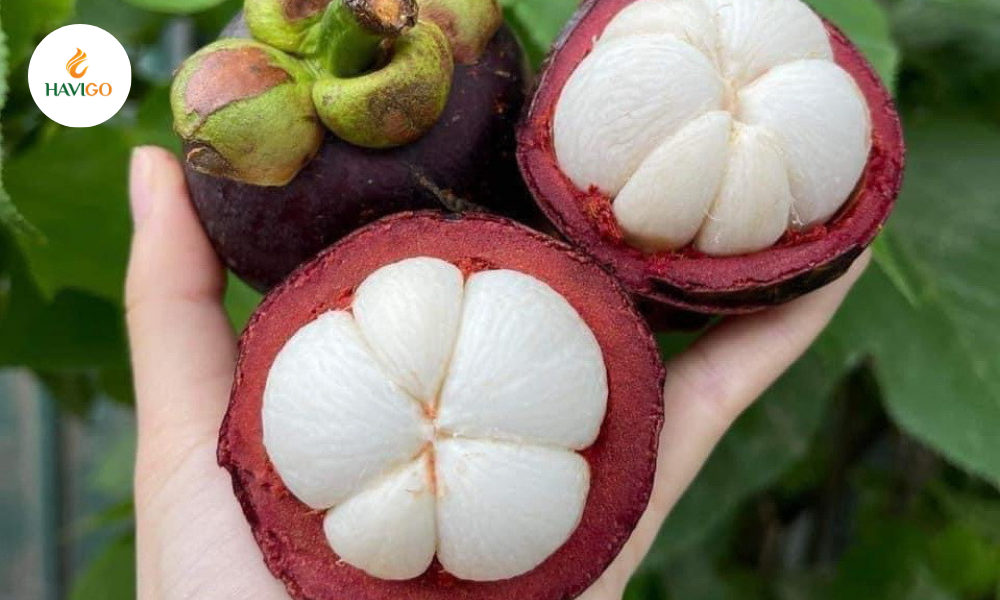
1. Nutritional Value of Mangosteen Fruit
In just 100g of fresh mangosteen fruit, you will find:
| Nutrient | Role |
|---|---|
| Vitamin C (~12% daily value) | Strengthens immunity, protects cells from oxidative stress |
| B Vitamins (B1, B2, B6) | Support energy metabolism and nervous system function |
| Minerals: Calcium, Magnesium, Potassium | Maintain bone health, muscle function, and cardiovascular stability |
| Dietary Fiber | Improves digestion and supports gut microbiome |
| Xanthones – rare antioxidants | Help slow aging and protect against long-term oxidative damage |
Among these, xanthones are particularly noteworthy. Studies suggest their antioxidant capacity may even surpass well-known vitamins, making it a powerful fruit for long-term cellular protection.
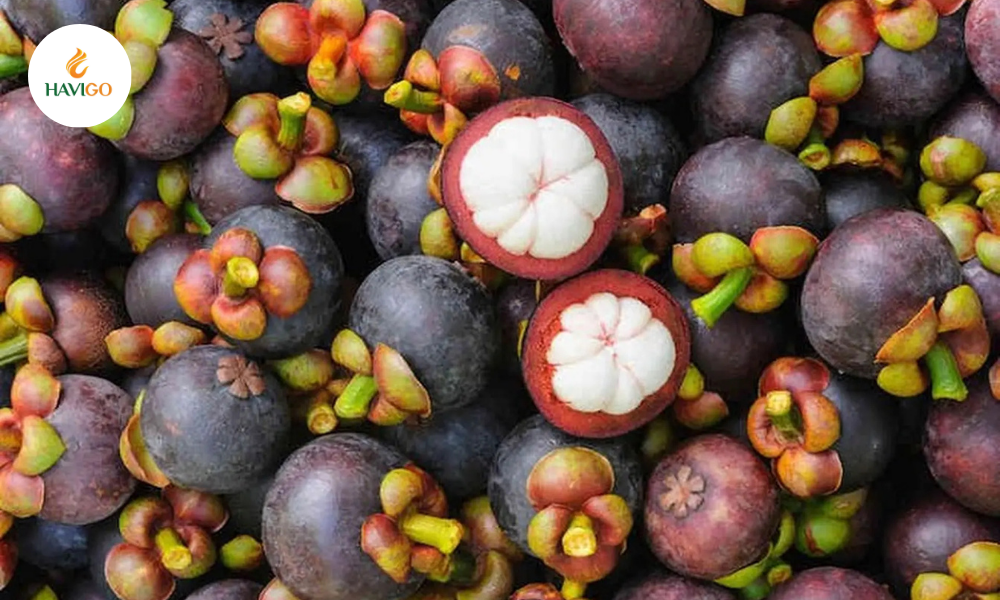
==> Related Articles: Health Benefits of Mangosteen Fruit
2. Top Health Benefits of Mangosteen Fruit
Known globally as the queen of fruits, this tropical delicacy offers a refreshing sweetness along with valuable nutrients that support overall wellness. It is rich in vitamin C, B-complex vitamins, dietary fiber, and minerals such as potassium and magnesium—nutrients that work together to help maintain energy levels, digestion, and body balance. What makes the queen of fruits truly unique, however, is the presence of xanthones, a rare group of natural antioxidant compounds that have attracted scientific attention due to potential bioactive properties.
1. Supports Immunity Naturally
The queen of fruits supplies vitamin C, a key nutrient for immune function. This vitamin supports white blood cell activity and helps reduce oxidative stress. Alongside vitamin C, xanthones are currently studied for their supportive effects on cellular defense, making the fruit a valuable addition to a nutrient-forward lifestyle.
2. Helps Maintain Digestive Comfort
Dietary fiber in the queen of fruits assists the digestive system by helping promote regular bowel movements and supporting a balanced gut microbiome. Its gentle texture makes it suitable for daily consumption as part of a varied and mindful diet.
3. A Light Option for Weight-Conscious Consumers
Because the fruit is naturally sweet yet low in calories, it is often enjoyed by those aiming to manage portion control. Fiber content contributes to satiety, helping individuals feel fuller without heavy intake. Early studies also examine whether xanthones may play a supportive role in metabolic well-being, though more clinical research is still required.
4. Contributes to Cardiovascular Wellness
Potassium and magnesium help maintain a healthy rhythm in the heart and support blood pressure regulation. At the same time, natural antioxidants—including xanthones—may contribute to helping protect blood vessels from oxidative stress over time.
5. Popular in Natural Beauty Discussions
The queen of fruits is recognized in the beauty community due to its association with skin wellness. Vitamin C supports collagen production, while xanthones are explored for how they may help the body respond to oxidative stress—one factor that contributes to early signs of aging.
6. Cellular-Supportive Properties
Scientific studies investigating xanthones have highlighted potential biological activity in laboratory environments. Research is ongoing, especially regarding how these compounds interact with cellular pathways. While not conclusive, such findings help explain why the queen of fruits consistently appears in conversations about functional foods.
7. Traditional Use and Inflammation
Historically, preparations using components of the fruit—especially the rind—were used in Southeast Asia in wellness practices intended to ease daily discomfort. Modern research is reviewing whether xanthones contribute to natural inflammatory balance. Incorporating the queen of fruits into a diet rich in colorful produce can be a gentle way to support well-rounded nutritional intake.

==> Related Article: Health Benefits of Mangosteen Fruit
3. How to Consume Mangosteen Safely
To make the most of the queen of fruits, it helps to understand not only how much to eat, but how to choose, prepare, and pair it within a balanced diet.
Recommended Serving Size
Most people can comfortably enjoy 2 to 3 pieces per day, which provides a moderate amount of natural sugars, fiber, vitamin C, and xanthones without overwhelming the digestive system. Eating excessive amounts at once may create discomfort in sensitive stomachs due to the fruit’s sugar and fiber profile.
Best Time to Enjoy
This tropical delicacy is usually best consumed after a light meal or snack, rather than on an empty stomach. Doing so can help the body digest fiber and natural sugars more gradually, supporting a smoother digestive response.
Choosing the Right Fruit
Freshness directly affects both flavor and nutrient quality. When selecting the queen of fruits:
- Look for fruits with firm, glossy purple skin that slightly yields when pressed.
- Avoid pieces with cracked or hardened skin, as this may indicate the inside has dried out.
- Select medium-sized fruits, which often contain softer flesh and better flavor balance.
Preparation Tips
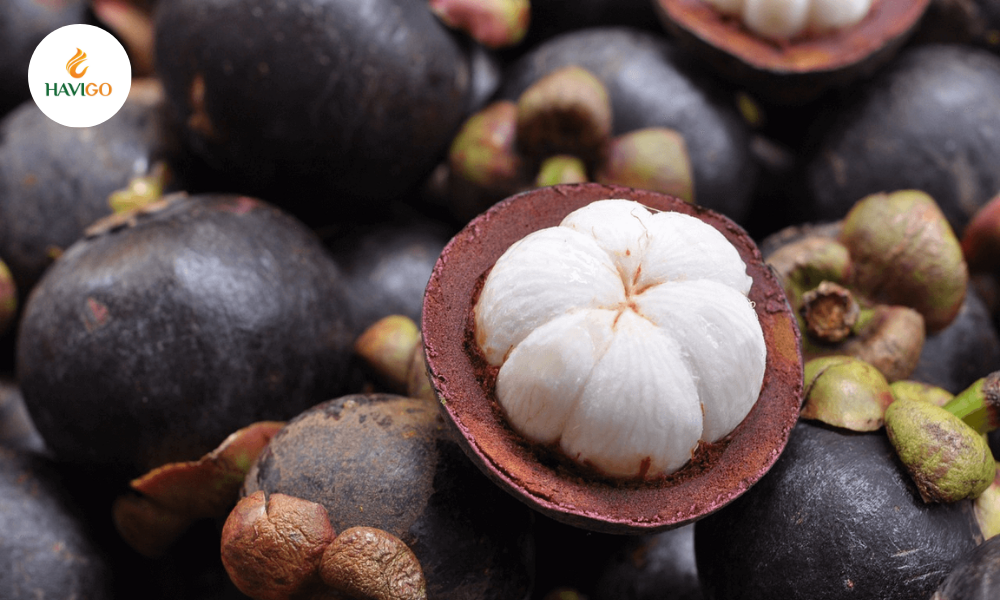
Because the rind contains sap and natural tannins, it is helpful to wash the outer layer thoroughly before opening. To prevent staining or contamination of the white arils, gently score the rind in a horizontal circle and twist open by hand. Serving chilled enhances the fruit’s refreshing character.
For People With Dietary Concerns
Those monitoring blood sugar or managing specific medical conditions should consider seeking personalized guidance from a healthcare provider before making this fruit a daily habit. The queen of fruits itself is not a treatment or medical intervention—but rather a nutritional food that can complement a varied eating routine.
Conclusion
From its delicate sweetness to its naturally occurring xanthones, the queen of fruits represents far more than a tropical dessert. Its nutrient composition supports everyday wellness in a gentle, food-based way, contributing vitamin C for immunity, fiber for digestive comfort, and minerals such as potassium and magnesium for body balance. While scientific research is still expanding, the global attention toward xanthones reflects growing interest in how foods may help the body respond to oxidative stress and maintain cellular well-being.
Including this purple delicacy in a balanced lifestyle can be a simple, enjoyable act of self-care—whether savored fresh, added to fruit bowls, or shared seasonally with family. Its appeal lies not only in flavor, but also in heritage, culture, and nature’s craftsmanship. For these reasons, it continues to be celebrated across Southeast Asia and beyond as the true queen of fruits, a symbol of nourishment, beauty, and natural vitality.
Stay Connected with Havigo: Your Source for High-Quality Mangosteen
Havigo Company Limited is your reliable agricultural export partner in Vietnam. We specialize in supplying and delivering high-quality Vietnamese agricultural products, including spices, rice, beans, and fruits, to the global market.
We aim to build long-lasting partnerships by guaranteeing the following core elements:
- Superior Quality Assurance: We are confident in our ability to consistently deliver products that meet the highest international quality standards required by the global market.
- The Best Competitive Pricing: We provide high-quality goods at the most competitive prices in the market, helping to optimize the profitability of your import operations.
- Prompt & Dedicated Support: Our team is committed to offering fast, enthusiastic, and professional customer support throughout our entire partnership journey.
If you are interested in importing mango from Vietnam, please contact us immediately for the best support!
Contact Us Today:
To receive a quotation and detailed assistance, please reach out directly via WhatsApp: +84 979 58 58 56 or LinkedIn: HAVIGO COMPANY LIMITED. We look forward to partnering with you!