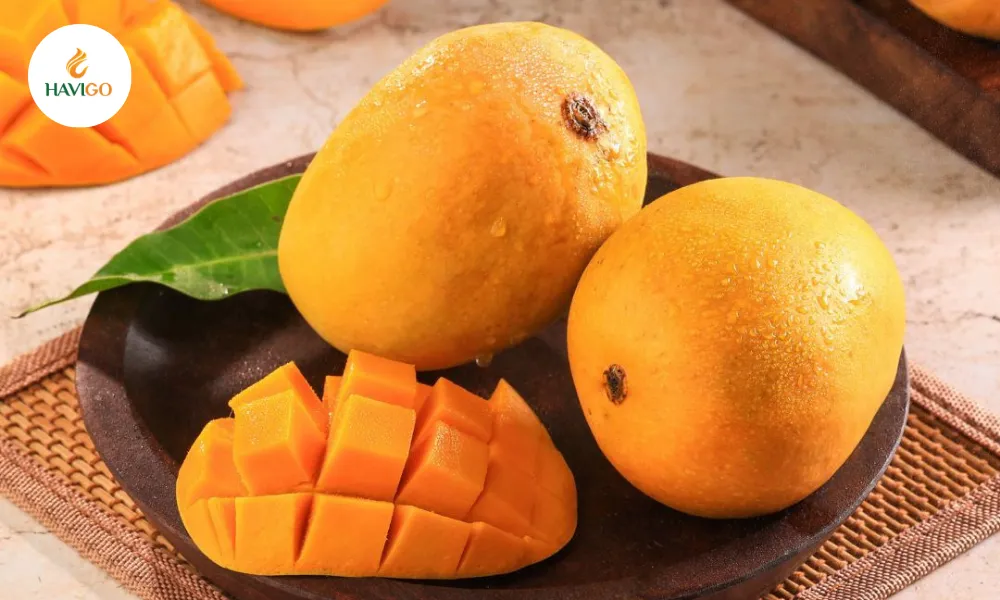
How to tell if a mango is ripe is one of the most common questions people ask when buying this popular tropical fruit. A mango can look attractive on the outside but still be sour, bland, or unpleasantly soft inside if it is picked at the wrong stage of ripeness. Because mangoes ripen differently depending on mango varieties, relying on appearance alone often leads to disappointment.
In this guide, you will learn how to identify a mango at peak ripeness using clear, proven signs such as texture, aroma, shape, and weight. By understanding these indicators together, you can confidently choose mangoes that are sweet, juicy, and ready to eat—without cutting them open or guessing.
Table of Contents
1. Why Choosing a Ripe Mango Matters
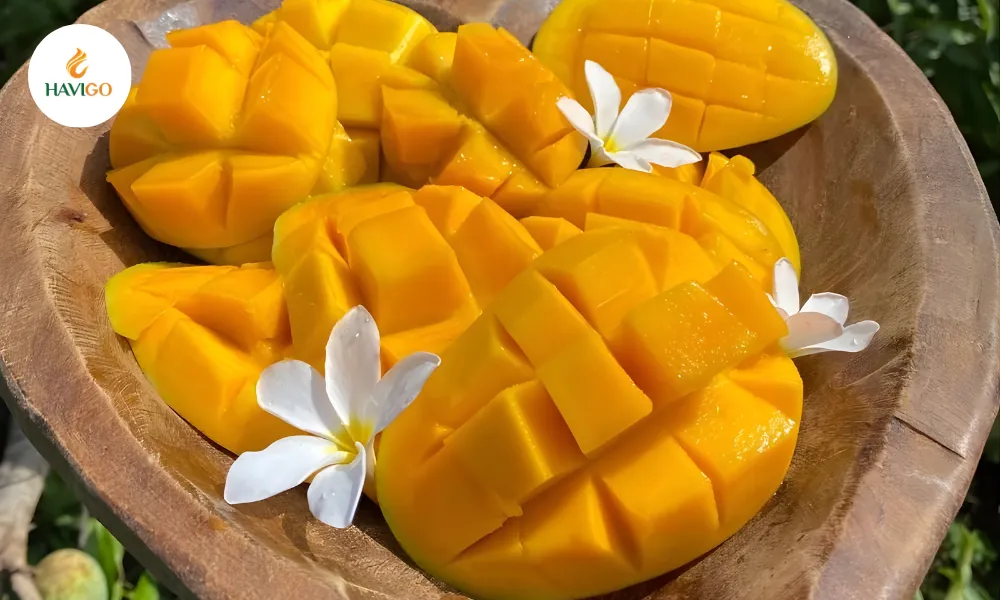
Choosing a mango at the right stage of ripeness directly affects its taste, texture, and overall eating experience. A ready-to-eat mango offers a natural balance of sweetness and acidity, along with smooth, juicy flesh that is enjoyable whether eaten fresh or used in recipes.
Unripe mangoes are typically hard, sour, and fibrous. While they may be suitable for certain dishes, they do not provide the rich flavor most people expect. Overripened fruit, on the other hand, can become mushy, develop fermented notes, and lose its fresh aroma.
Knowing how to select mangoes at the ideal stage of ripeness also helps reduce food waste and ensures you get the best value from the fruit you buy.
Read more about >>> Mango varieties
2. How to Tell If a Mango Is Ripe
Understanding how to tell if a mango is ripe does not depend on a single sign. A truly ripe mango is identified by combining several visual, tactile, and sensory indicators. When these signs appear together, you can be confident the fruit is ready to enjoy.
Key signs of a ripe mango include:
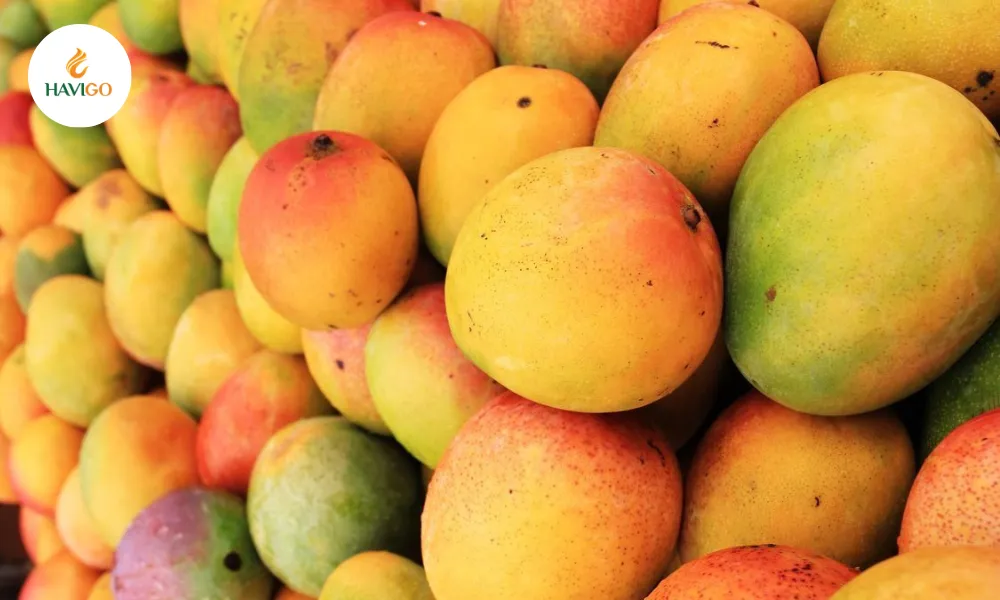
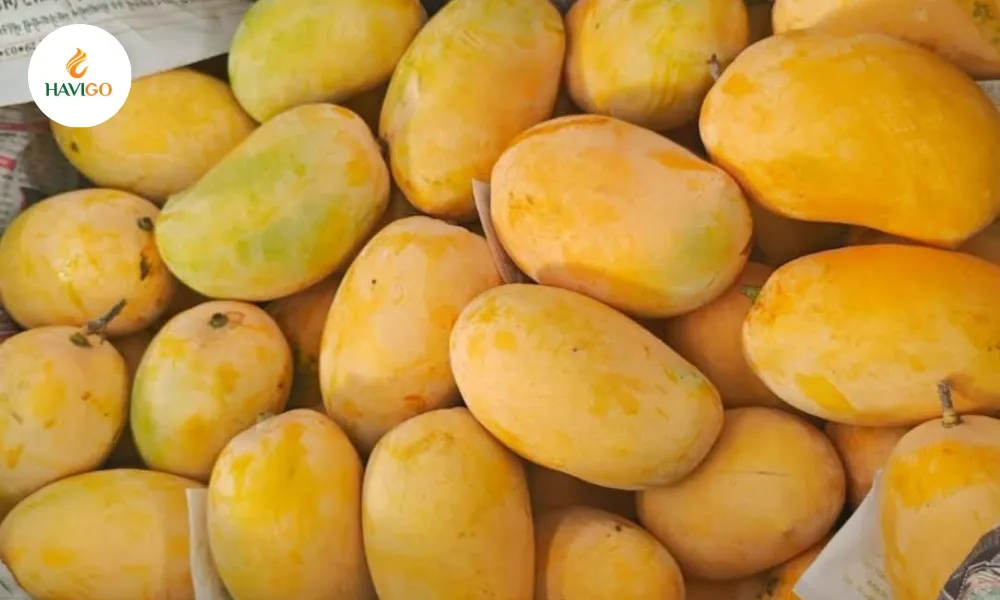
- Balanced color changes: A ripe mango often shows warmer tones such as yellow, golden, or light red, depending on the variety. Some mangoes remain mostly green even when ripe, so color should not be the only factor. Instead, look for skin that appears vibrant and healthy rather than dull or lifeless.
- Slight softness when gently pressed: Texture is one of the most reliable indicators. When gently squeezed, a ripe mango yields slightly under pressure but still feels firm. If the fruit feels rock-hard, it is likely underripe. If it feels very soft or collapses easily, it may be overripe.
- Sweet, fruity aroma at the stem end: Smell plays an important role in identifying a ripe mango. A ripe fruit releases a sweet, tropical fragrance near the stem. A lack of aroma suggests the mango needs more time to ripen, while sour or alcoholic smells indicate overripeness.
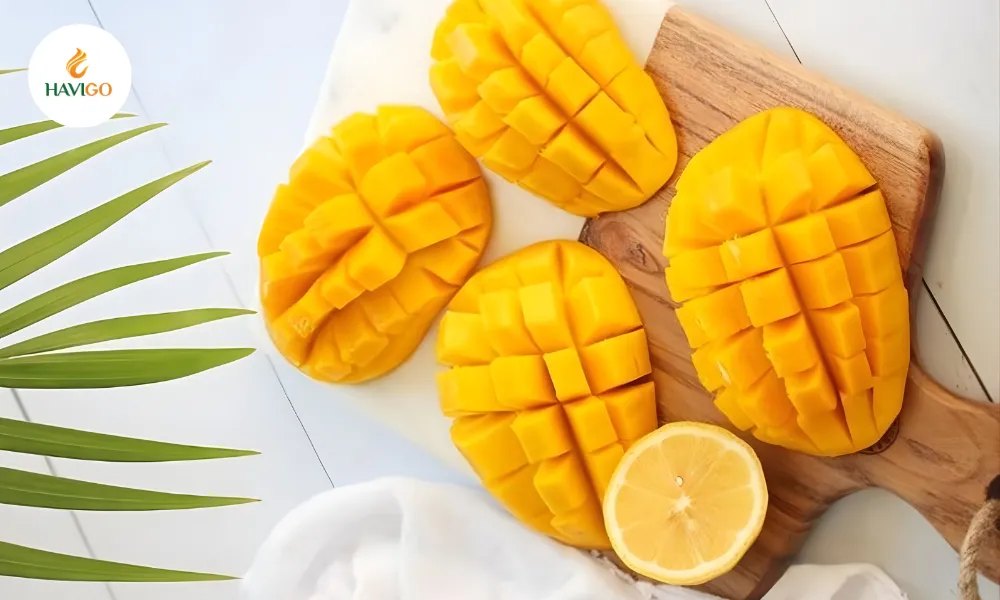
- Full, rounded shape with plump cheeks: A ripe mango looks well-filled rather than flat or shriveled. Rounded sides, often called “cheeks,” suggest the flesh inside has fully developed and contains a good amount of juice.
- Heavy weight for its size: When you hold a mango, it should feel heavy relative to its size. This weight usually comes from high juice content, which is closely associated with ripeness and sweetness.
Why combining these signs matters:
No single indicator can accurately determine ripeness on its own. However, when color, softness, aroma, shape, and weight align, you are almost certainly holding a ripe mango. Using this combined approach works well across different mango varieties and minimizes guesswork.
3. Common Mistakes When Checking Mango Ripeness
Many people think they know how to tell if a mango is ripe, but in reality, they often rely on misleading signals. These common mistakes can easily lead to choosing mangoes that are underripe, overripe, or lacking flavor.
The most common mistakes include:
- Focusing on a single sign instead of the overall combination: Ripeness cannot be determined by one factor alone. Choosing mangoes based on only softness, color, or size increases the chance of error. The best results come from considering multiple indicators together, such as texture, aroma, shape, and weight.
- Judging ripeness by color alone: Color is one of the most misleading indicators of mango ripeness. While some mango varieties turn yellow or orange when mature, others remain mostly green even at peak ripeness. Relying only on color often causes people to overlook mangoes that are perfectly ready to eat or select fruit that looks ripe but is still firm and sour inside.
- Squeezing the mango too firmly: Pressing the fruit hard can damage the flesh beneath the skin, leading to bruising and faster spoilage. A gentle squeeze is enough to assess ripeness. Excessive pressure not only shortens shelf life but can also affect the mango’s texture and flavor after purchase.
- Ignoring aroma as a ripeness signal: Many buyers skip smelling the mango altogether. However, the aroma at the stem end is one of the clearest indicators of ripeness. Overlooking this sign may result in choosing fruit that lacks sweetness or is not yet ready to eat.
- Comparing different mango varieties incorrectly: Each mango variety has its own ripening characteristics in terms of color, shape, and firmness. Comparing mangoes from different varieties without understanding these differences can easily lead to incorrect judgments about ripeness.
4. How to Handle and Store a Ripe Mango
Once you have chosen a ripe mango, proper handling is important to preserve its quality. If the mango is fully ripe and you are not ready to eat it, refrigeration can slow down further ripening.
Whole ripe mangoes can usually be stored in the refrigerator for several days without significant loss of flavor. If the mango has been cut, place it in an airtight container to maintain freshness and prevent it from absorbing other odors.
Avoid leaving ripe mangoes at room temperature for extended periods, as they can quickly become overripe.
Read more about >>> How to store mangoes
5. FAQs
1. How can you tell if a mango is ripe without cutting it?
Gently squeeze it for slight softness, smell the stem end for a sweet aroma, and choose fruit that feels heavy for its size.
2. Does mango color always show ripeness?
No. Many mango varieties stay green even when ready to eat, so color should not be used alone.
3. What does a ripe mango smell like?
A sweet, fruity, tropical aroma near the stem indicates the mango is ready to eat.
4. Can mangoes ripen after being picked?
Yes. Mangoes continue to ripen at room temperature and can be refrigerated once ready.
5. How long does a ripe mango last?
At room temperature, about 1–2 days. In the refrigerator, several days longer.
Conclusion
Learning how to tell if a mango is ripe is a simple but valuable skill that greatly improves your fruit-buying experience. By paying attention to texture, aroma, shape, and weight—rather than relying on color alone—you can confidently choose a perfectly ripe mango every time.
Whether you enjoy mangoes fresh, blended into smoothies, or used in desserts, these practical tips will help you select fruit that is sweet, juicy, and ready to enjoy.
Stay Connected with Havigo: Your Source for High-Quality Mango
Havigo Company Limited is your reliable agricultural export partner in Vietnam. We specialize in supplying and delivering high-quality Vietnamese agricultural products, including spices, rice, beans, and fruits, to the global market.
We aim to build long-lasting partnerships by guaranteeing the following core elements:
- Superior Quality Assurance: We are confident in our ability to consistently deliver products that meet the highest international quality standards required by the global market.
- The Best Competitive Pricing: We provide high-quality goods at the most competitive prices in the market, helping to optimize the profitability of your import operations.
- Prompt & Dedicated Support: Our team is committed to offering fast, enthusiastic, and professional customer support throughout our entire partnership journey.
If you are interested in importing mango from Vietnam, please contact us immediately for the best support!
Contact Us Today:
To receive a quotation and detailed assistance, please reach out directly via WhatsApp: +84 979 58 58 56 or LinkedIn: HAVIGO COMPANY LIMITED. We look forward to partnering with you!