In this guide, we (HAVIGO) explain what desiccated coconut flakes are, how to choose between unsweetened coconut flakes and sweetened coconut flakes, how to toast and use them in recipes, and what importers should verify before buying.
Table of Contents
What is desiccated coconut flakes?
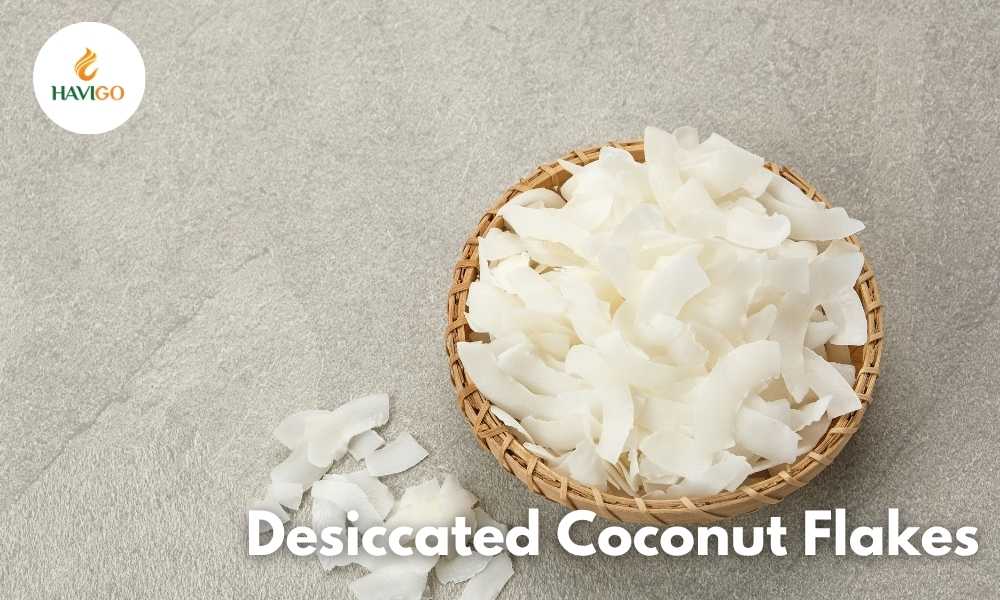
Desiccated coconut flakes are dried pieces of coconut kernel (the white meat) with most moisture removed to make it shelf-stable. In the Codex standard, desiccated coconut is made from sound coconut kernel and processed via steps such as washing, comminuting, drying, and sifting.
According to Science Direct, “desiccated coconut” is a product made from sound coconut kernel that is processed (e.g., washing, comminuting, drying and sifting) and this standard does not cover salted, sugared, flavored, or roasted products
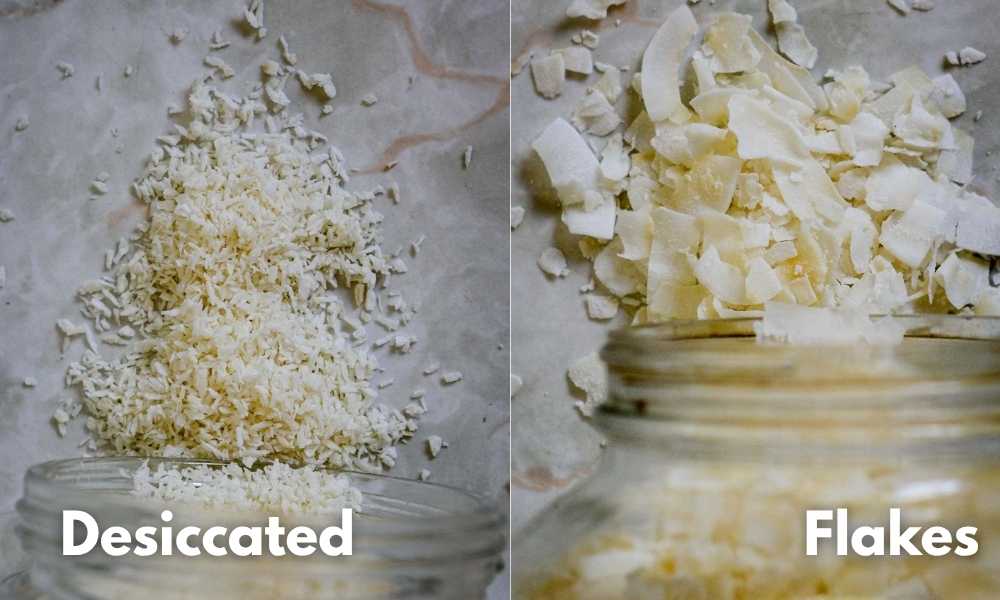
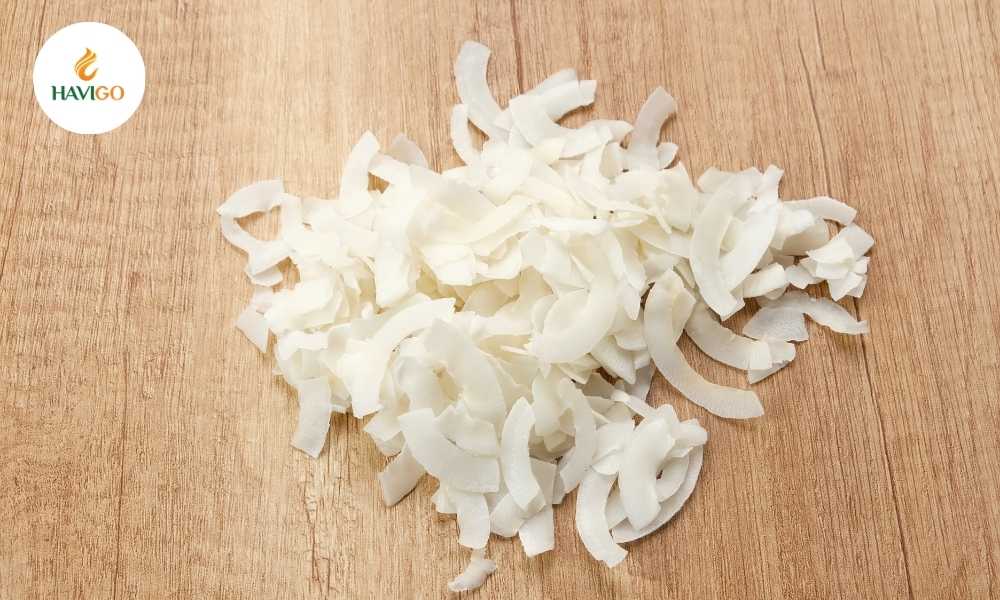
Flaked coconut usually refers to a larger cut than fine desiccated coconut. In practice:
- Fine/medium desiccated = smaller particles (mixes smoothly into batter).
- Coconut flakes / flaked coconut = larger, more visible pieces (better texture and topping).
Codex even recognizes multiple sizes and “fancy cuts” (including flakes and chips).
Why do many buyers choose flakes instead of other coconut forms?
From what we see in export orders, buyers pick flakes when they want:
Better “coconut hit” per bite than very fine grades (because flakes hold structure and toast beautifully).
Texture you can feel (toppings, granola, cereal, crusting).
Higher visual appeal (cakes, donuts, dessert bars).
What’s the difference between flaked coconut, and shredded coconut?
In real kitchen usage (and in most buyer specifications), the difference is mainly cut size:
- Coconut flakes / flaked coconut: larger, wider pieces → best for toppings and texture.
- Shredded coconut: thinner strands → blends into batter more evenly.
- Fine desiccated coconut: smaller particles → mixes smoothly and “disappears” into dough.
If you want visual impact and crunch, choose flakes. If you want even distribution, choose shredded/fine grades.
How are dried coconut flakes (dehydrated coconut flakes) produced—and what quality specs matter most?
In production, the two “make-or-break” specs we get asked about most are moisture and fat/oil content—because they affect mold risk, clumping, and rancidity during storage/shipping.
According to World Health Organizations (WHO), Codex Standard (CXS 177-1991) lists key chemical/physical requirements such as:
- Moisture ≤ 4% m/m
- Total acidity of extracted oil ≤ 0.3% (as lauric acid)
- Oil content thresholds depending on product type
Hands-on experience (HAVIGO): the most common complaint buyers report is “flakes arrived slightly clumped and less aromatic.” In roughly 80–90% of cases, the root cause is moisture uptake during packaging or from humid container conditions. Our practical fix is simple but effective: we require a proper inner liner, seal checks, and humidity control during container stuffing, especially on long sea routes.
Coconut flakes nutrition data: calories and nutritional value
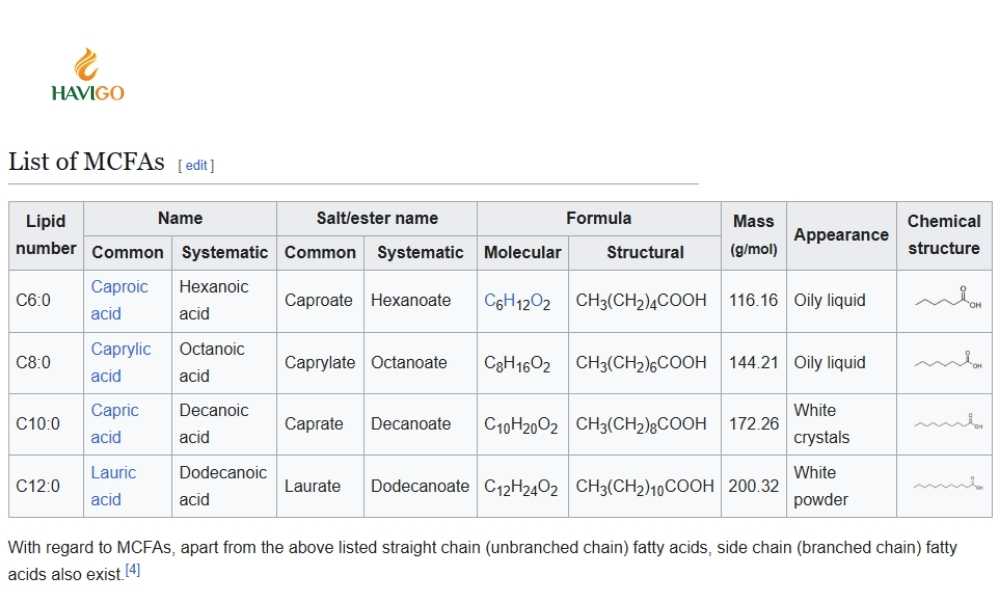
Coconut flakes offer more than just great taste. They are a fantastic source of dietary fiber, first of all. This fiber promotes healthy digestion. Moreover, the flakes contain beneficial fats. These include medium-chain triglycerides (MCTs). MCTs are rapidly converted into usable energy. You also get essential minerals like iron and potassium. Therefore, these small flakes contribute positively to your daily nutrition. Remember to enjoy them in moderation due to their calorie density.
Are coconut flakes healthy, and what are the real benefits vs trade-offs?
It can fit a balanced diet, but they are energy-dense and can be high in saturated fat—so portion control matters.
According to the American Heart Association (AHA), eating too much saturated fat can raise LDL (“bad”) cholesterol, which increases cardiovascular disease risk ().
If you’re managing cholesterol, the AHA commonly recommends keeping saturated fat to less than 6% of total daily calories.
Disclaimer (transparency): This is general nutrition information and does not replace medical advice. If you have underlying conditions (heart disease, high cholesterol, diabetes), consult your clinician or dietitian before making major dietary changes.
Here are clear benchmarks:
- Unsweetened (USDA reference): According to USDA FoodData Central, “Nuts, coconut meat, dried (desiccated), not sweetened” is about 660 kcal per 100 g (https://fdc.nal.usda.gov/fdc-app.html#/food-details/170170/nutrients).
- Sweetened : According to University of Rochester Medical Center (URMC) nutrition facts, 1 cup is about 465.93 kcal per 93 g (roughly 501 kcal per 100 g) (https://www.urmc.rochester.edu/encyclopedia/content?contentid=12179-1&contenttypeid=76).
Quick selection guide
- Want to control sugar → choose unsweetened coconut flakes.
- Baking desserts that need built-in sweetness → use sweetened coconut flakes, but they brown faster when toasted.
How should you store coconut flakes, and what food-safety risks should buyers know?
Proper storage helps prevent off-odors and rancidity:
- Airtight container
- Cool, dry place away from sunlight
- Keep away from strong-smelling spices (coconut absorbs odors quickly)
Regarding food safety, coconut products have been involved in Salmonella incidents:
- According to the CDC (final update), there was a Salmonella outbreak linked to dried coconut products, and the CDC warned recalled items may still be in homes because of long shelf life (https://archive.cdc.gov/www_cdc_gov/salmonella/typhimurium-03-18/advice.html).
- According to the FDA, there have been recall notices involving dried coconut due to possible health risk (https://www.fda.gov/safety/recalls-market-withdrawals-safety-alerts/health-nut-factory-recalls-organic-coconut-smiles-because-possible-health-risk).
Trust note: This does not mean coconut flakes are “dangerous.” It means traceability, microbiological testing, and reputable suppliers matter in commercial trade.
What does “organic coconut flakes” mean, and what should you verify?
If you’re looking for an organic coconut flakes supplier, don’t rely only on marketing labels.
According to USDA AMS, USDA organic labeling is regulated and labels must be approved by an accredited certifying agent.
According to eCFR (7 CFR 205.301), products labeled “organic” must meet specific organic content and labeling requirements.
Minimum buyer checklist
Specs (moisture, cut size) + microbiology test (especially Salmonella where required)
Organic certificate + scope
LOT traceability
Why HAVIGO for desiccated coconut flakes?
HAVIGO Company Limited (Vietnam) is an agricultural export partner (spices, rice, beans, fruits, coconut products…). For coconut flakes, we clarify from the start:
- Grade (flakes/shredded) + sensory criteria
- Technical specs aligned with international references (e.g., Codex moisture benchmark)
- Packaging practices to reduce moisture uptake during long sea shipments
See more at: https://havigo.vn/our-products/desiccated-coconut/
Stay Connected with Havigo: Your Source for High-Quality Desiccated coconut
Havigo Company Limited is your reliable agricultural export partner in Vietnam. We specialize in supplying and delivering high-quality Vietnamese agricultural products, including spices, rice, beans, and fruits, to the global market.
We aim to build long-lasting partnerships by guaranteeing the following core elements:
- Superior Quality Assurance: We are confident in our ability to consistently deliver products that meet the highest international quality standards required by the global market.
- The Best Competitive Pricing: We provide high-quality goods at the most competitive prices in the market, helping to optimize the profitability of your import operations.
- Prompt & Dedicated Support: Our team is committed to offering fast, enthusiastic, and professional customer support throughout our entire partnership journey.