Table of Contents
Global demand for exotic produce continues to rise steadily. Consequently, the dragon fruit price has become a focal point for international fruit traders. This vibrant cactus fruit, also known as pitaya, offers significant health benefits. Furthermore, its striking appearance makes it a favorite in retail displays worldwide. Understanding the current market dynamics is essential for successful procurement. This article examines the factors influencing costs and provides a comprehensive outlook for buyers.
The Market Dynamics of Dragon Fruit Price
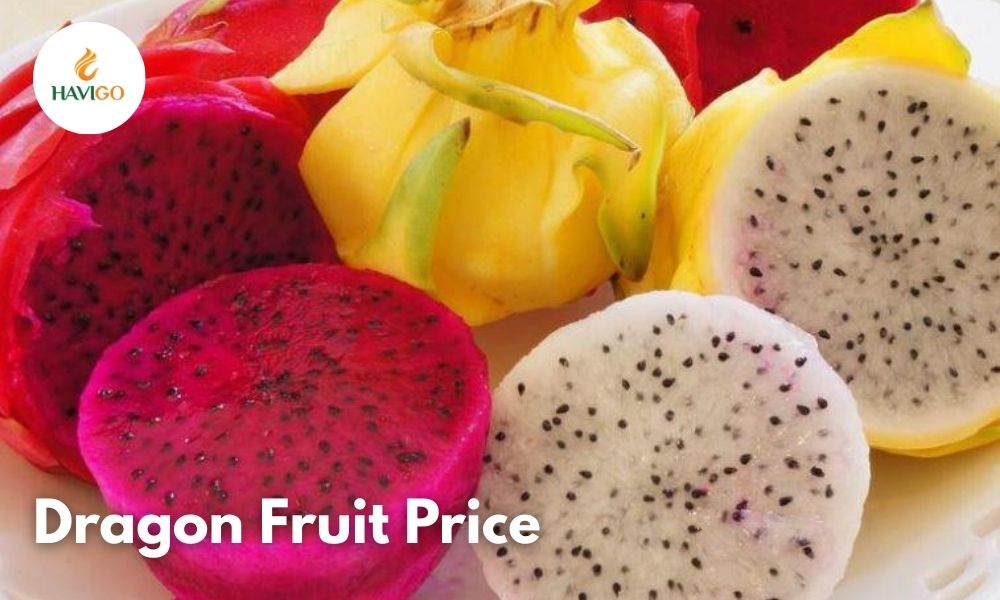
Different types of pitaya command varying values in the global trade arena. Primarily, the flesh color and origin determine the base pitaya price for each shipment. The table below outlines the estimated export rates for Vietnamese dragon fruit and other major varieties.
| Variety Type | Harvest Season | Estimated Price (USD/kg) |
| White Dragon Fruit | Peak (May – Oct) | $0.55 – $0.75 |
| White Dragon Fruit | Off-Season (Nov – Apr) | $0.95 – $1.35 |
| Red Dragon Fruit | Peak (May – Oct) | $0.85 – $1.10 |
| Red Dragon Fruit | Off-Season (Nov – Apr) | $1.25 – $1.55 |
| Yellow Dragon Fruit | Year-round (Limited) | $3.50 – $5.50 |
Several variables dictate the daily shifts in the pitaya price. Initially, supply and demand cycles play the most significant role. During peak harvest months, prices typically stabilize or decrease due to high volume. Conversely, off-season availability often triggers a sharp increase in costs.
Key Factors Influencing Pitaya Price in 2025
Supply and demand remain the main drivers of dragon fruit price. While large harvests in Southeast Asia help stabilize the market, climate shifts in 2025 have caused localized shortages. Extreme heat can delay ripening, leading to temporary price spikes.
Production methods also affect costs. In Vietnam, off-season cultivation using lighting systems ensures year-round supply but raises energy expenses, which is reflected in off-season prices. Despite higher costs, consistent availability benefits global supply chains.
Logistics further impact landed costs. Volatile sea freight rates and cold chain requirements increase expenses. As a result, importers optimize shipping routes, while high-value yellow pitaya is often air-freighted to preserve freshness.
The Value of Vietnamese Dragon Fruit
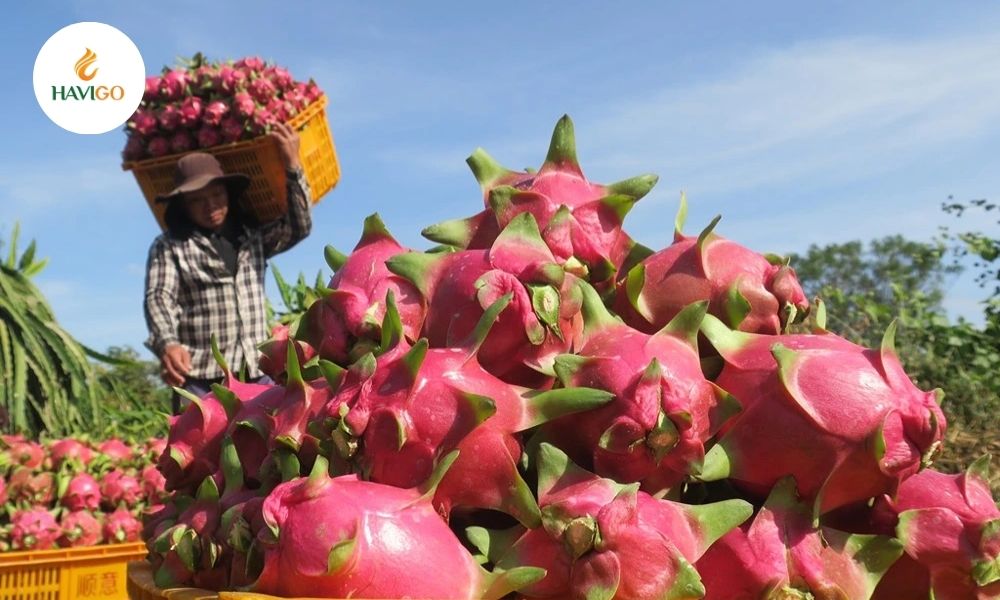
Vietnam continues to lead the global market in terms of volume and consistency. Indeed, Vietnamese dragon fruit sets the benchmark for international export standards. Farmers here strictly follow GlobalGAP and VietGAP protocols to ensure safety. As a result, this fruit is highly sought after by European and American importers.
The white dragon fruit variety accounts for the largest share of Vietnamese exports. Its competitive price point makes it ideal for the food processing industry. In contrast, the red dragon fruit is gaining popularity in the fresh-cut segment. Because of its vibrant color, it is a staple in premium fruit salads and beverages. Moreover, the sweeter taste profile of the red variety justifies its higher market value.
Yellow Dragon Fruit: The Luxury Segment
Known as the “King of Pitaya,” yellow dragon fruit commands premium prices due to its intense sweetness. Supply mainly comes from Ecuador and Colombia, though Asian producers are expanding acreage, which may stabilize prices in the future. Demand is strongest in Asia and the Middle East, particularly for gifting and upscale events.
Strategic Sourcing to Optimize Prices
Successful importers partner directly with reliable exporters like Havigo to reduce intermediaries and secure stable pricing. Long-term contracts help manage seasonal volatility.
Quality certifications are essential. Although certified fruit may cost more initially, it lowers rejection risks and ensures compliance with EU MRL standards. Diversifying between red and white varieties, or adding frozen and dried pitaya, also helps balance costs and reduce shelf-life pressure.
Future Trends for the Dragon Fruit Price
Looking ahead, we expect the dragon fruit price to stabilize as global production diversifies. Many countries in Africa and South Asia are now starting their own plantations. Therefore, the reliance on a few major producers will likely decrease. This shift will create a more competitive environment for buyers and suppliers alike.
Furthermore, advancements in post-harvest technology will lower the waste percentage. Better coatings and packaging materials can extend the fruit’s life significantly. Consequently, the cost of losses will drop, potentially lowering the retail pitaya price. Nevertheless, the demand for high-quality, organic pitaya will keep premiums high for top-tier growers.
In conclusion, navigating the dragon fruit price landscape requires expertise and local market knowledge. Whether you are sourcing Vietnamese dragon fruit or the rare yellow variety, timing is everything. By understanding seasonal cycles and quality standards, you can build a resilient supply chain. The pitaya remains one of the most profitable exotic fruits in the modern market.
FAQs
• Why does dragon fruit price fluctuate by season?
Prices vary mainly due to harvest cycles, climate conditions, and higher production costs for off-season supply.
• Is Vietnamese dragon fruit available year-round?
Yes. Vietnam ensures year-round availability, including off-season production using advanced cultivation techniques.
• Why is yellow dragon fruit significantly more expensive?
Limited supply, higher sweetness levels, and strong demand in the luxury segment keep yellow pitaya prices premium.
• How can importers optimize pitaya sourcing costs?
By sourcing directly from certified exporters, signing long-term contracts, and balancing red and white varieties.
Stay Connected with Havigo: Your Source for High-Quality Mango
Havigo Company Limited is your reliable agricultural export partner in Vietnam. We specialize in supplying and delivering high-quality Vietnamese agricultural products, including spices, rice, beans, and fruits, to the global market.
We aim to build long-lasting partnerships by guaranteeing the following core elements:
- Superior Quality Assurance: We are confident in our ability to consistently deliver products that meet the highest international quality standards required by the global market.
- The Best Competitive Pricing: We provide high-quality goods at the most competitive prices in the market, helping to optimize the profitability of your import operations.
- Prompt & Dedicated Support: Our team is committed to offering fast, enthusiastic, and professional customer support throughout our entire partnership journey.
If you are interested in importing mango from Vietnam, please contact us immediately for the best support!
Contact Us Today:
To receive a quotation and detailed assistance, please reach out directly via WhatsApp: +84 979 58 58 56 or LinkedIn: HAVIGO COMPANY LIMITED. We look forward to partnering with you!