Mangifera indica, known globally as mango, is one of the most widely consumed tropical fruits and a cornerstone of agricultural and food culture across many regions. While millions of people enjoy mangoes in daily meals, desserts, juices, and packaged snacks, few are aware of the scientific name behind this fruit. Originating from South Asia and later spreading through Southeast Asia, Africa, South America, and tropical islands, it has become a crop that influences farming systems, culinary traditions, and international food trade.
From a broad perspective, this tropical fruit represents more than flavor or seasonal enjoyment. It links smallholder farmers to global buyers, connects ancient cultural use with modern food processing industries, and contributes to long-term economic growth in many developing countries. Today, mango appears in fresh produce exports, dried fruit snacks, frozen IQF ingredients, purée for beverages, and plant-based consumer products — a clear sign of its versatile value.
As demand for tropical fruits continues to rise globally, learning about mango helps consumers, buyers, and industry stakeholders understand its botanical origins, nutritional properties, global distribution, production systems, and commercial relevance. The following sections will explore these aspects in a simple, structured, and research-informed way — offering a full picture of why mango remains one of the most significant tropical fruits in the world today.

1. What Is Mangifera indica?
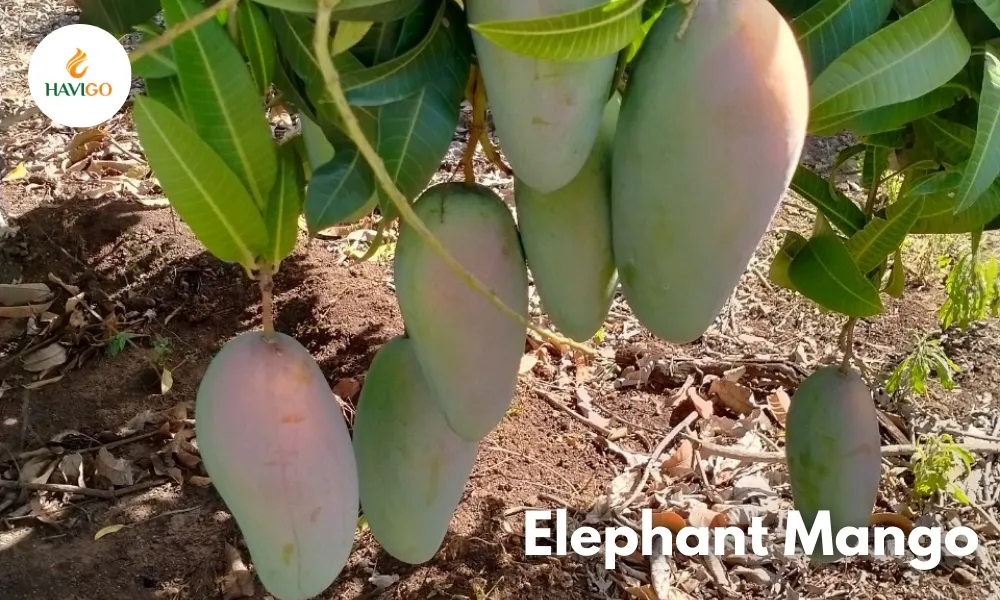
Mangifera indica, commonly known as the mango, is a large evergreen tree belonging to the Anacardiaceae family and is recognized as one of the most widely cultivated tropical fruit species globally. Native to South Asia, the mango tree has spread and become culturally rooted across Southeast Asia, Africa, South America, and many tropical islands. Botanically, the species is notable for its tall stature, dense round canopy, aromatic flowering habit, and its iconic fruit — a drupe with a single flat seed and fragrant juicy flesh whose taste and appearance vary across hundreds of cultivars.
Key Botanical Characteristics:
- Height: typically 10–30 m when mature
- Canopy: dense, rounded with broad leaf spread
- Leaves: simple, leathery, lanceolate; reddish when young, glossy dark green at maturity
- Flowers: borne at terminal panicles, made up of thousands of small, fragrant flowers (both male & hermaphroditic)
- Fruit type: large drupe with a single seed
- Variation: fruit shape, size, skin color, pulp texture differ significantly by cultivar
Growth Conditions:
- Optimal temperature: 24–30 °C
- Climatic zone: tropical to subtropical
- Soil: well-drained sandy-loam, ideal pH 5.5–7.5
- Elevation tolerance: sea level → ~1,200 m
- Limitation: highly sensitive to frost and prolonged cold
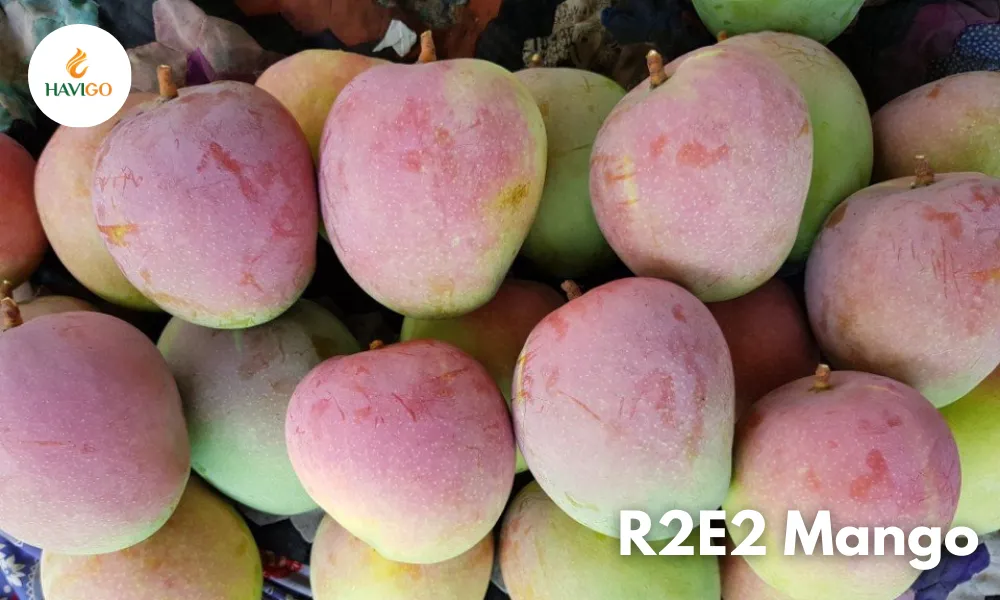
Popular cultivars include:
2. Origin & Global Distribution
Archaeological and botanical records suggest mango originated near the foothills of the Himalayas, in India and Myanmar. Over time, trade routes and agricultural expansion spread the mango plant across Asia and into:
- Southeast Asia (Vietnam, Thailand, Indonesia)
- Africa (Kenya, Egypt)
- South America (Brazil, Peru)
- Oceania (Australia)
Today, mangoes are cultivated in 90+ countries, making them one of the most exported tropical fruits.
Learn global mango production statistics – https://www.statista.com/topics/9617/mango-industry/
3. Nutritional Value (Science-Based Overview)
Below is a typical nutritional composition per 100g of edible mango portion (values approximate – may vary by variety):
| Component | Approx. Value |
|---|---|
| Vitamin C | Naturally present |
| Vitamin A (beta-carotene) | Naturally present |
| Fiber | Naturally present |
| Potassium | Naturally present |
| Polyphenols & carotenoids | Naturally present |
Note: Nutritional values are for educational purposes only and do not constitute diet or medical advice.
4. General Health & Wellness Value of Mango
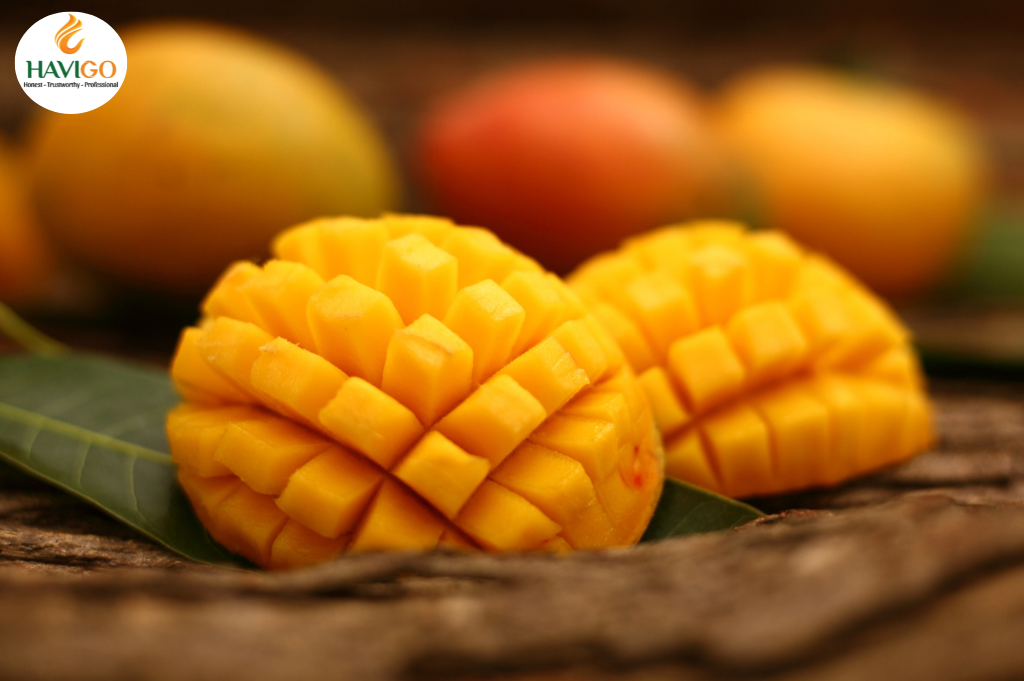
Because mangoes are a naturally rich tropical fruit source of vitamins, minerals, fiber, and plant-based antioxidants, they are often included in balanced diets across tropical and non-tropical cultures. While mango itself is not a medical product, its nutrient composition can play supportive roles in everyday well-being.
How Mango Consumption Supports Everyday Well-Being
- Helps contribute to daily vitamin intake
Mangoes provide Vitamin C and carotenoids, which are nutrients many people aim to include in a well-rounded diet to support normal immune functions, skin maintenance, and collagen formation. Foods high in Vitamin C are also commonly paired with iron-rich meals to help the body absorb plant-based iron more efficiently. - Adds natural fiber to meals, supporting digestive comfort
The dietary fiber in mango pulp can help promote a feeling of fullness and support regular bowel movement — which is why mango is traditionally included in desserts, smoothies, or eaten fresh as a light snack in many parts of Asia and Latin America. - Hydrating and refreshing – commonly used in hot climates
Mango fruit pulp contains natural water content along with potassium — an electrolyte that helps the body maintain everyday fluid balance. In tropical regions, mangoes are often enjoyed as fresh juice, smoothies, and frozen desserts because people associate them with refreshment and hydration. - Contains plant-based antioxidants that help reduce oxidative exposure
Compounds like mangiferin and quercetin found in Mangifera indica act as antioxidants. These compounds help protect body cells from everyday oxidative stress caused by metabolism, sunlight exposure, or environmental factors. This positions mango among fruits that provide “functional” nutrition — not for treatment, but for routine wellness.
USDA FoodData Central – Mango Nutritionhttps://fdc.nal.usda.gov/food-details/169910/nutrients

5. Economic & Trade Value
Mango is not only a tropical fruit — it is a multi-billion-dollar agricultural commodity.
Major Exporting Countries
India, Thailand, Mexico, Peru, Brazil, Vietnam — each supplying different formats depending on market demand.
Mango-Based Value-Added Products
Used widely across F&B, retail snacks, and food manufacturing:
- Fresh mango
- IQF mango (Individually Quick Frozen)
- Dried mango & freeze-dried mango snacks
- Mango pulp / purée / NFC juice
- Mango concentrate for beverages
Industry Trends
Growing consumer preference for:
- plant-based snacks
- tropical fruit flavoring
- functional fruit-based beverages
These trends drive long-term growth for tropical fruit exporters and processors.
Global mango trade market analysis https://www.globalmarketinsights.com/industry-analysis/mango-market
6. Why Most People Don’t Know Mango Scientific Name
Although mangoes are among the most recognizable tropical fruits worldwide, very few consumers can identify their scientific name — Mangifera indica. This gap in awareness is common, and it occurs across multiple layers of culture, education, and industry practice.
Because Consumers Experience Mango Only as a Food – Not a Botanical Species
In everyday life, most people interact with mangoes through taste, recipes, meals, and grocery shopping, rather than through plant science.
Consumers do not typically need to know or use botanical terminology — just as most people say “banana” instead of Musa acuminata, or “pineapple” instead of Ananas comosus.
Scientific names generally become relevant only for:
- People studying biology, botany, agriculture
- Farmers, orchard owners, and exporters
- Food scientists, nutrition researchers
For the general population, the common name is simply enough, so the scientific name remains unfamiliar.
Scientific Names Are Mostly Used in Professional Contexts
Botanical Latin names exist mainly as a universal language for classification, helping researchers across regions avoid confusion.
In trade documents, agriculture manuals, phytosanitary certificates, seed catalogs, and academic papers — you will always see Mangifera indica.
But in marketing, packaging, and retail settings — the mango is almost always labeled only as “mango”.
Because everyday environments rarely expose consumers to the scientific name, it never becomes part of general knowledge.
Global Branding and Trade Rarely Use the Scientific Term
Unlike some fruits where the scientific name becomes part of branding (e.g., Coffea arabica in specialty coffee), mango-related brands prefer emotional, culinary, or geographic naming, such as:
- Thai Mango
- Alphonso Mango
- Premium Ripe Mango
- Organic Mango Puree
Using “Mangifera indica” would sound too technical for marketing, so it is intentionally avoided in consumer-facing language, which reinforces unfamiliarity.
Cultural Perception: Mango Is Seen as Ordinary, Not a “Science-Required Food”
Mango is a comfort fruit — part of holidays, seasonal snacks, desserts, summer drinks.
Because it feels culturally familiar and effortless, people rarely think about:
- Where the species originated
- How many cultivars exist
- What its taxonomy is
- Why the name is Latin
Familiarity often reduces the need for extra knowledge — so despite its massive global economic impact, mango’s scientific identity stays hidden in the background.
Lack of Education on Fruit Taxonomy at School Level
In many countries, education systems include plant science only at surface level. Students learn “mango is a fruit,” but rarely “mango belongs to the species Mangifera indica in the family Anacardiaceae.” This creates a lifelong habit of using only common names.
7. Consumption & Culinary Use
Across South Asia, Southeast Asia, Africa, the Caribbean, and Latin America, mango has been part of daily diets for centuries. In many cultures:
- Mango is eaten fresh as a seasonal fruit
- Used in juices, smoothies, chutneys, pickles
- Combined with yogurt or dairy for nutrient-dense snacks
- Dried mango is used as portable energy for travel and trade
- In some regions, mango leaves and bark appear in traditional herbal culture, though their uses vary by tradition and are not part of modern dietary science
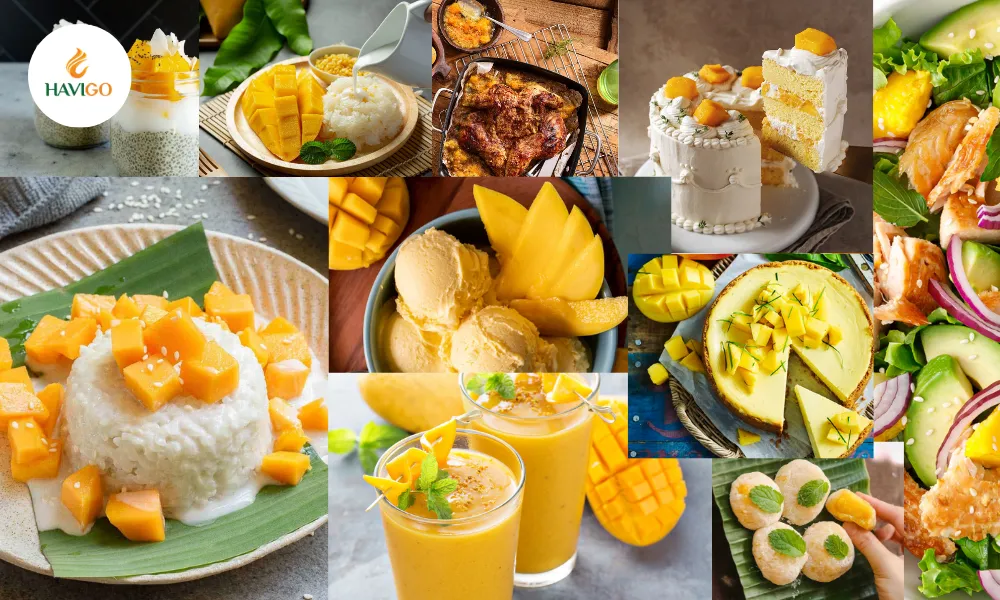
Read more about Mango recipes
8. Fun Facts about Mango
- There are over 1,000 documented mango cultivars around the world — yet most supermarkets only sell 3–5 types.
- Mango is the national fruit of both India and Pakistan, and the mango tree itself is the national tree of Bangladesh.
- A single mango tree can live for more than 100 years, and some heritage trees in India are believed to be older than entire villages.
- Mango leaves are used in traditional ceremonies across Asia, symbolizing prosperity, fertility, and good fortune — often hung at doorways during festivals.
- The earliest evidence of mango cultivation dates back over 4,000 years, making it one of the oldest domesticated fruit trees in human history.
- The word “mango” traveled into English through Portuguese traders, adapted from the Tamil word māṅgai.
- Mango belongs to the same botanical family as cashew and pistachio — the Anacardiaceae family.
- Some cultivars never turn yellow — meaning a mango can be fully ripe even when still green, depending on the variety.
- Global production is massive — India alone grows nearly half of the world’s mango supply, yet exports very little because domestic demand is so high.
9. FAQs
1. What is Mangifera indica?
It is the scientific (botanical) name for the mango tree — one of the world’s most popular tropical fruits.
2. Why is it called a tropical fruit?
Because it grows naturally in warm, humid climates with high sunlight, commonly found in Asia, Africa, and South America.
3. Where did Mango originally come from?
Historical records and botanical studies show mango originated in South Asia, especially India and Myanmar, before spreading globally through trade.
4. How many types of mango (Mangifera indica) exist?
There are more than 1,000 documented cultivars worldwide, though only a few are commonly sold in supermarkets.
Conclusion
Mangifera indica — commonly known as the mango — is a globally loved tropical fruit with a long history, rich nutrition, and deep cultural roots. Across this article, we explored what makes it unique: its botanical identity, growth conditions, nutrient profile, cultural importance, and the surprising fact that most people never knew its real name. In short, it’s a fruit we’ve all grown up with — yet only now do we truly know it.
Stay Connected with Havigo: Your Source for High-Quality Mango
Havigo Company Limited is your reliable agricultural export partner in Vietnam. We specialize in supplying and delivering high-quality Vietnamese agricultural products, including spices, rice, beans, and fruits, to the global market.
We aim to build long-lasting partnerships by guaranteeing the following core elements:
- Superior Quality Assurance: We are confident in our ability to consistently deliver products that meet the highest international quality standards required by the global market.
- The Best Competitive Pricing: We provide high-quality goods at the most competitive prices in the market, helping to optimize the profitability of your import operations.
- Prompt & Dedicated Support: Our team is committed to offering fast, enthusiastic, and professional customer support throughout our entire partnership journey.
If you are interested in importing mango from Vietnam, please contact us immediately for the best support!
Contact Us Today:
To receive a quotation and detailed assistance, please reach out directly via WhatsApp: +84 979 58 58 56 or LinkedIn: HAVIGO COMPANY LIMITED. We look forward to partnering with you!