Banana is one of the most widely consumed tropical fruits worldwide, playing an essential role in daily diets across Asia, Europe, the United States, and the Middle East. Valued for its natural sweetness, convenience, and year-round availability, this fruit remains a cornerstone of both fresh consumption and global agricultural trade.
From household kitchens to international supply chains, bananas support a wide range of uses—from fresh eating to large-scale food processing. Understanding key aspects such as varieties, nutritional value, and market dynamics helps consumers, retailers, and importers choose the right option for every purpose.
1. What Is a Banana?
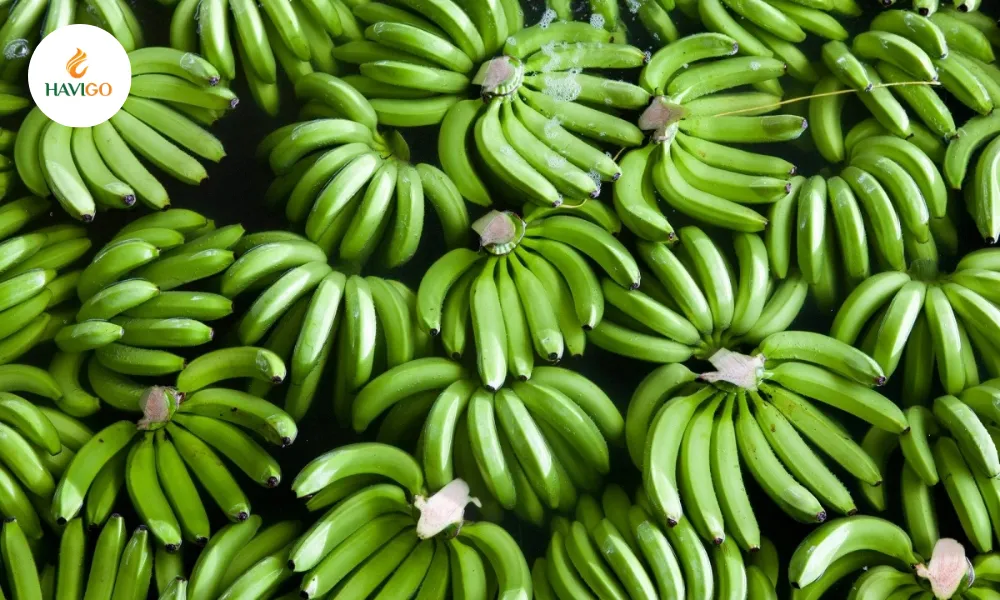
Banana is a tropical fruit belonging to the Musa genus, originally cultivated in Southeast Asia thousands of years ago. Over time, commercial production expanded across Latin America, Asia, and Africa, allowing bananas to become one of the most widely traded fruits in the world. Thanks to strong adaptability, short production cycles, and consistent global demand, bananas are now grown year-round in major producing regions to serve international markets.
Key characteristics of this fruit include:
- Soft, creamy texture suitable for all age groups
- Naturally sweet taste without added sugar
- High carbohydrate content for quick energy
- Easy handling, peeling, and portioning
These features make it a preferred fruit for fresh consumption, foodservice operations, and industrial processing.
2. Why Banana Matters in Global Trade
Banana is not just a consumer fruit—it is a strategic agricultural commodity. In international markets, it is selected based on:
- Shelf life and ripening behavior
- Size, color, and skin thickness
- Suitability for cold-chain logistics
- Consistency in large-volume supply
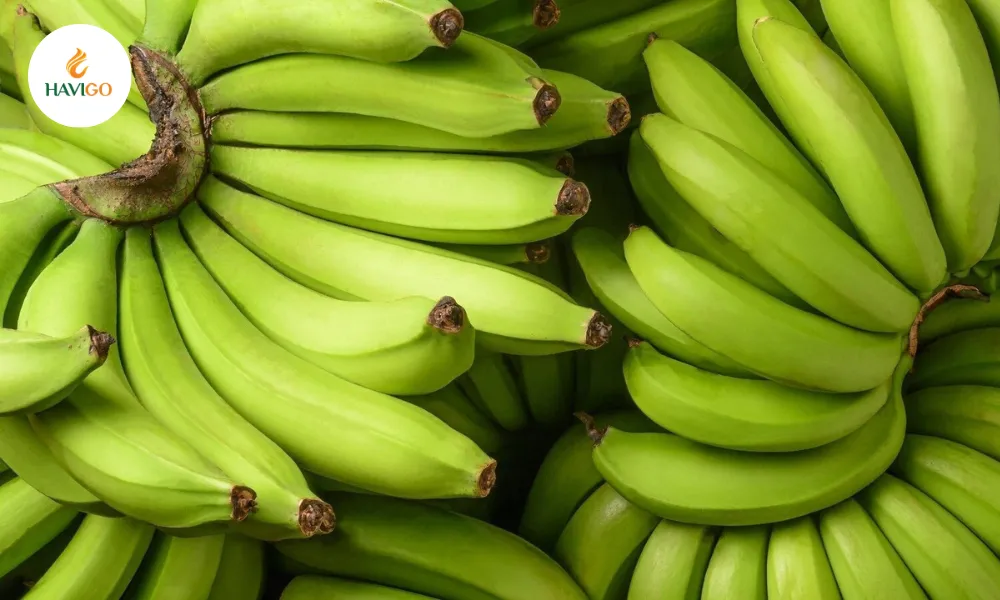
Retailers often prefer visually uniform bananas, while foodservice and processors prioritize firmness and starch content. As a result, different banana varieties serve different commercial needs, making it a highly adaptable fruit for global distribution.
3. Cavendish Banana in International Markets
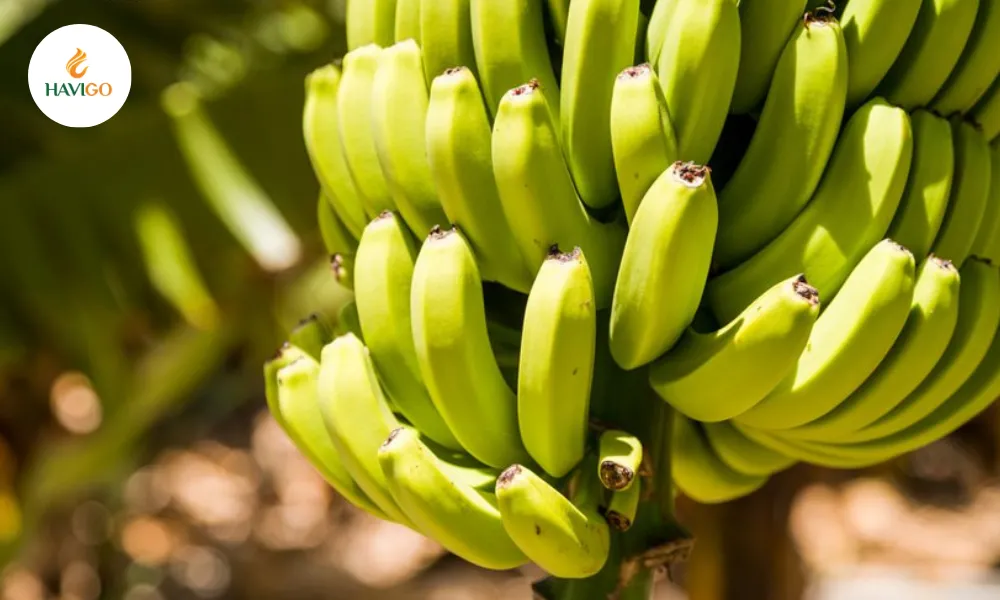
Although hundreds of cultivars exist, the Cavendish group dominates international trade, accounting for the majority of bananas sold in supermarkets across the United States and Europe.
Key reasons Cavendish banana leads international markets include:
- Consistent size and shape
- Mild sweetness suited to broad consumer preferences
- Predictable ripening process
- Strong resistance to handling during transport
For importers, Cavendish banana offers stable quality and lower risk throughout long-distance shipping and retail distribution.
4. Cavendish Banana Packing Options from HAVIGO
To serve different market requirements, HAVIGO supplies Cavendish bananas in two export packing formats commonly used in international trade.
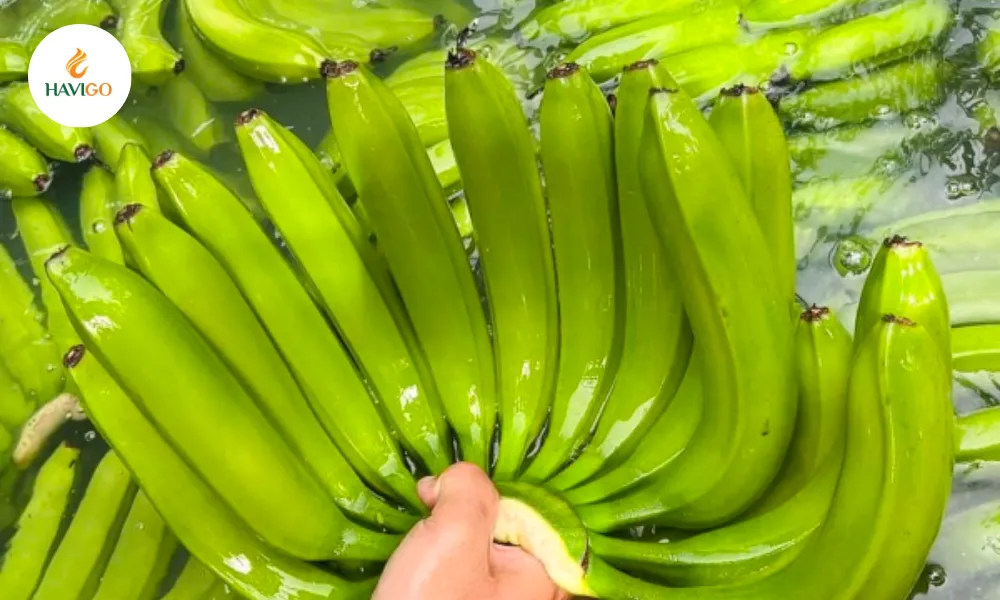
Hand Pack Banana
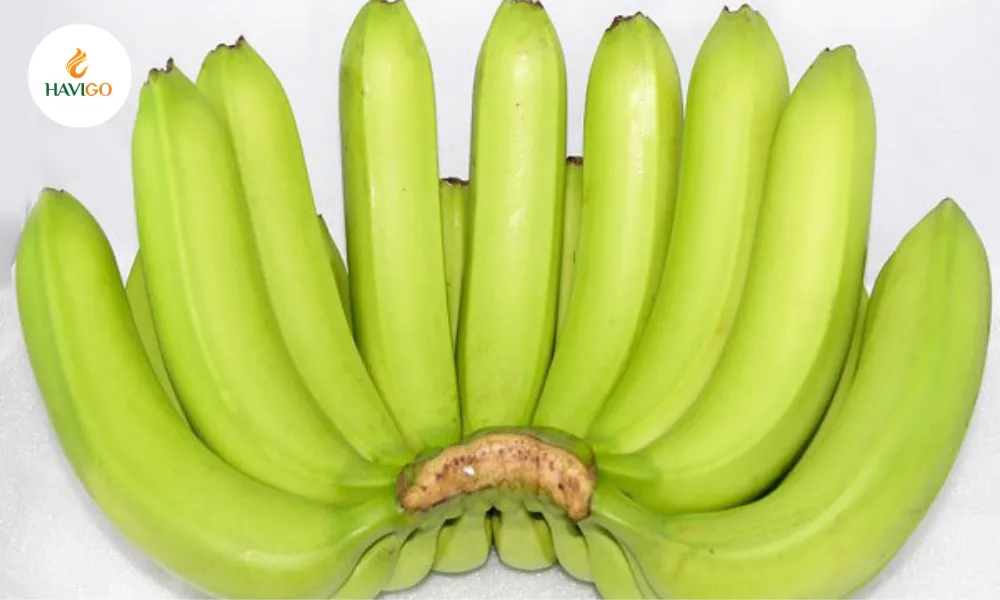
Hand pack banana refers to whole hands that are not broken into smaller clusters. Each hand usually contains 10–14 fingers, depending on size and market specifications.
This format preserves the natural structure of the banana hand and is often preferred where handling efficiency and fruit integrity are priorities.
Best suited for:
- Importers handling ripening at destination
- Wholesale markets
- Buyers who re-pack or redistribute locally
Hand pack bananas allow faster packing at origin, lower labor cost, and reduced mechanical damage during shipment.
Cluster Pack Banana
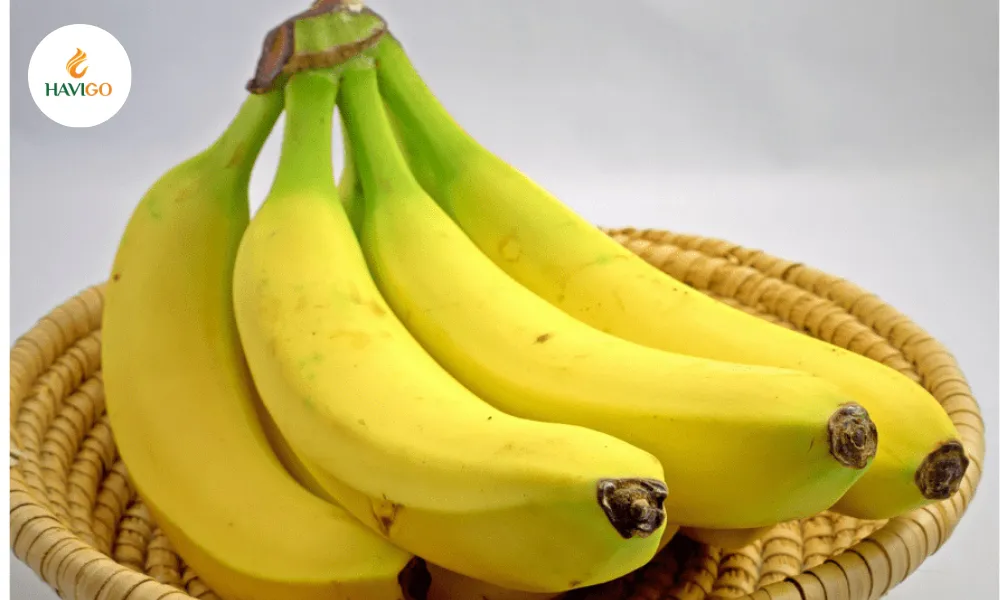
Cluster pack banana refers to hands that are cut into smaller clusters, typically 6–8 fingers per cluster, sometimes 4–7 depending on buyer requirements.
This is the most common format for retail-ready banana programs in the US and Europe, as clusters are easier to handle, display, and sell directly to consumers.
Best suited for:
- Supermarkets and retail chains
- Private-label programs
- Markets requiring uniform retail presentation
Cluster packing improves shelf appearance and reduces handling steps at destination, making it ideal for modern retail systems.
4. Banana Nutrition Facts and Health Benefits
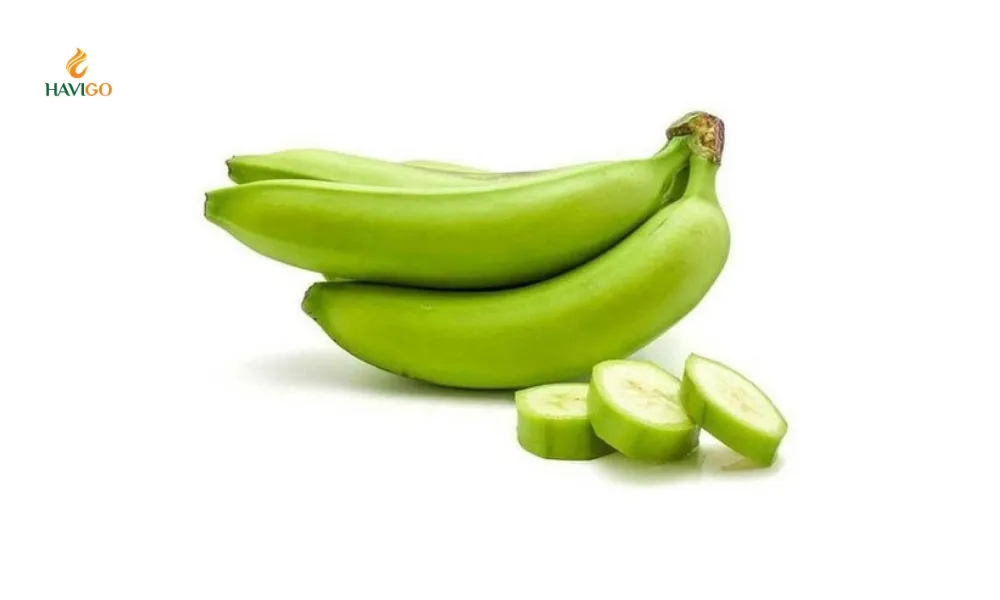
Bananas are not just tasty—they provide a wide range of essential nutrients that support everyday health and wellness. A medium banana (about 118 g) contains approximately 105 calories, 27–29 g of carbohydrates, about 3 g of dietary fiber, and almost no fat, making it a nutrient-dense fruit choice.
Key Nutrients Found in a Banana
- Potassium: Around 420–450 mg, which helps regulate fluid balance and supports heart and muscle function.
- Vitamin B6: Roughly 0.4–0.43 mg, supporting energy metabolism and brain function.
- Vitamin C: About 10–12 mg, contributing to immune health and antioxidant protection.
- Dietary Fiber: Around 3 g, which aids digestion and helps maintain regular bowel movements.
- Magnesium & Other Minerals: it also contains magnesium and trace elements that support metabolic function and nerve health.
Digestive Health
It contains both soluble fiber (like pectin) and resistant starch, especially in less ripe fruit. These fibers help support gut health by feeding beneficial gut bacteria and slowing digestion, which can help moderate blood sugar response and promote regularity.
Heart and Blood Pressure Support
Because they are high in potassium and low in sodium, it is associated with better blood pressure control and cardiovascular health. Potassium helps the body balance sodium levels, which can reduce strain on blood vessels and support healthy circulation.
Energy and Metabolism
The natural carbohydrates in bananas, including sugars like glucose and fructose, provide a quick and convenient energy boost without added fats. This makes it a popular pre- or post-workout snack for athletes and active adults.
Immune and Antioxidant Benefits
Vitamin C and certain phytonutrients in bananas act as antioxidants, helping neutralize free radicals that can contribute to cellular stress and aging. These compounds also support immune function and collagen production.
Weight and Blood Sugar Considerations
Despite their sugar content, bananas have a low to moderate glycemic index (GI ~42–51), meaning they provide sustained energy without causing rapid blood sugar spikes when eaten in moderation. Eating bananas with a protein or fat source can further help stabilize blood glucose levels.
5. Banana in Fresh Consumption and Food Processing
Thanks to its neutral sweetness, soft texture, and functional properties, this tropical fruit is widely used across both fresh consumption and food processing industries. Its adaptability allows retailers, foodservice operators, and manufacturers to serve diverse consumer needs.
Fresh Consumption Uses
In retail and household settings, fresh fruit is commonly enjoyed through:
- Direct eating as a convenient, ready-to-eat snack
- Smoothies, shakes, and blended beverages
- Breakfast bowls, cereals, and on-the-go snacks
In the US market, demand is especially strong for fruit that ripens evenly, maintains appearance on shelves, and delivers consistent flavor—key factors for supermarket distribution.
Processed and Industrial Applications
Beyond fresh use, this fruit plays a critical role in food manufacturing and value-added products, including:
- Dried slices and fruit chips
- Puree for baby food, beverages, and dairy products
- Frozen formats for smoothies and desserts
- Bakery fillings, flavoring ingredients, and snack bars
This broad application range helps maintain stable, year-round demand across retail, foodservice, and processing sectors.
6. Banana Supply for International Markets
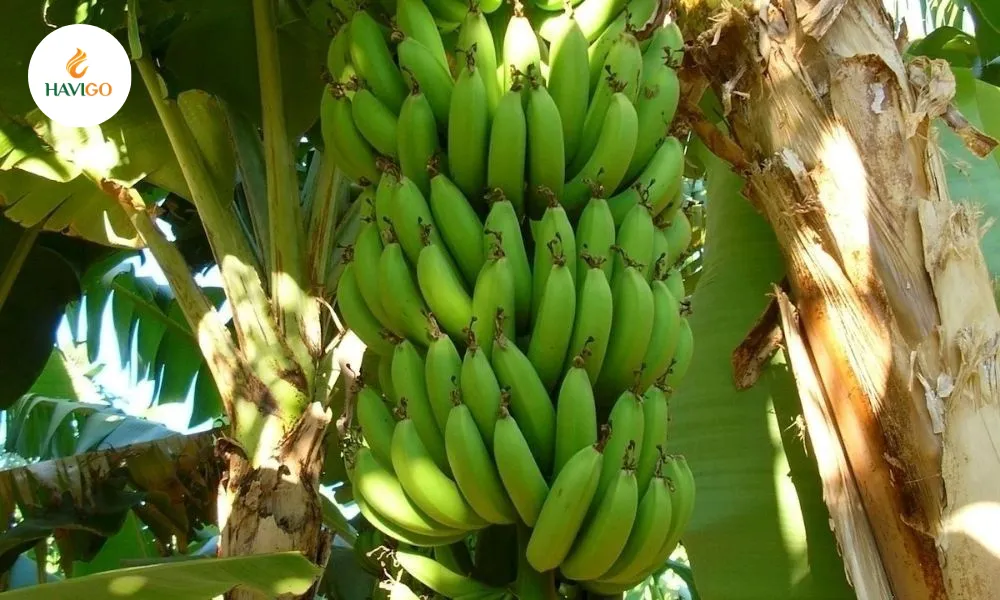
Meeting global demand requires more than volume—it depends on harvest timing, post-harvest handling, and logistics precision. Export-ready fruit must arrive with controlled ripeness, minimal defects, and consistent sizing to perform well in destination markets.
Key considerations for US and international buyers include:
- Harvesting at the correct maturity stage for controlled ripening
- Strict cold-chain management from farm to port
- Compliance with food safety and phytosanitary regulations
- Uniform appearance suitable for retail programs
Reliable Supply from HAVIGO
HAVIGO works with experienced growers in tropical production regions and manages supply through GAP-aligned farming practices and cold-chain systems. By coordinating harvest schedules and post-harvest handling, HAVIGO supports stable availability for both fresh and processed market requirements.
This approach allows buyers to reduce supply risk, improve shelf performance, and maintain consistent quality across shipments—especially important for long-distance trade and high-turnover retail programs. This supply model is especially important for US buyers, where consistency, shelf performance, and compliance play a critical role in long-term sourcing decisions.
Explore export-ready fruit supply for international markets
7. Why Banana Remains a Global Staple Fruit
Its dominance in global fruit trade is driven by a rare combination of factors:
- Strong consumer familiarity across age groups
- Competitive pricing compared to other tropical fruits
- Efficient handling and transport characteristics
- Flexible use across retail, foodservice, and processing channels
From household kitchens to international trade networks, it remains essential to the global food system.
8. FAQs
What is the most popular variety in global markets?
Cavendish is the most widely traded variety, valued for its consistent quality, mild sweetness, and strong performance in international logistics.
Is it suitable for long-distance export?
Yes. When harvested at the right maturity and handled under controlled temperatures, export-grade it can travel long distances while maintaining quality.
What is it commonly used for?
They are consumed fresh and widely used in food processing, including dried snacks, purees, frozen products, and bakery applications.
What should buyers consider when sourcing bananas for export?
Key factors include farm certification, ripening control, cold-chain management, and the supplier’s ability to deliver consistent volume and quality.
Conclusion
Banana is more than just a tropical fruit—it is a cornerstone of global fresh fruit consumption and trade. With diverse varieties, strong nutritional benefits, and unmatched versatility, it continues to serve consumers, retailers, and importers worldwide.
As demand for reliable, high-quality tropical fruits grows, it remains a trusted choice for both everyday nutrition and international markets.
Stay Connected with Havigo: Your Source for High-Quality Banana
HAVIGO Company Limited is a trusted agricultural export partner based in Vietnam, specializing in the supply of export-grade Cavendish bananas for international markets. We focus on building long-term partnerships by delivering:
- Consistent Quality Standards aligned with global import requirements
- Competitive Pricing optimized for wholesale and retail programs
- Responsive & Professional Support throughout sourcing and shipment coordination
If you are looking for a reliable banana supplier for retail, wholesale, or processing purposes, HAVIGO is ready to support your sourcing needs.
Contact Us:
📞 WhatsApp: +84 979 58 58 56
🔗 LinkedIn: HAVIGO COMPANY LIMITED